


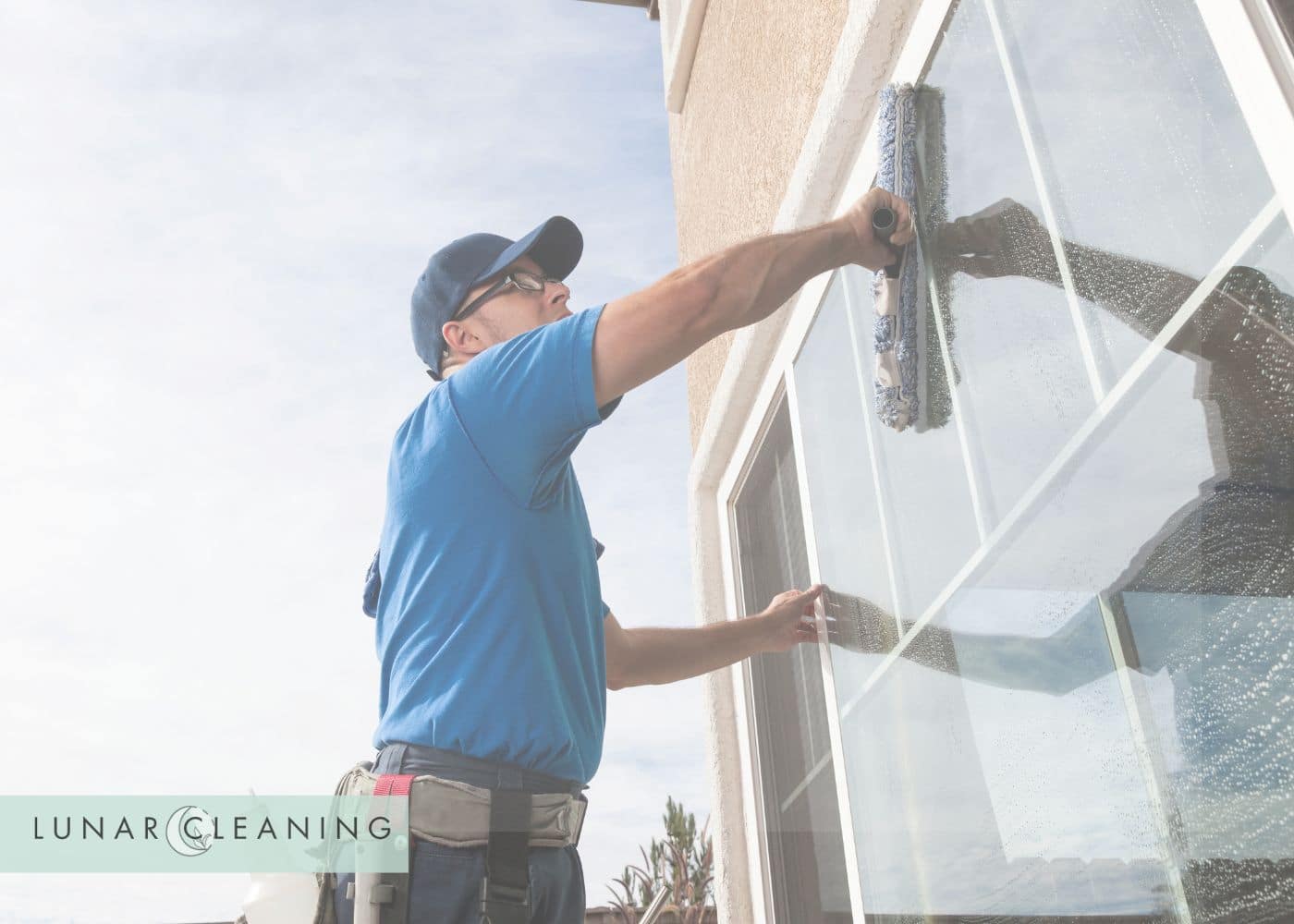
Introduction: The Importance of Clean Commercial Windows
Creating a Positive First Impression
A building’s windows are one of the first things people notice. Clean windows help project a professional image and signal that your business values cleanliness and detail. Whether for staff, visitors, or customers, sparkling windows inspire confidence and establish a welcoming atmosphere from the outset.
Protecting Your Investment
Regular window cleaning does more than boost appearance; it helps maintain the building itself. Dirt, grime, and environmental pollutants can build up over time, leading to damage such as scratches or cloudiness on the glass. By removing these substances frequently, you can extend the lifespan of your windows and frames, reducing repair or replacement costs in the future. This proactive approach helps prevent lasting harm and keeps your property looking its best.
Why Window Cleaning Frequency Matters
Determining how often you should clean your windows is more than a cosmetic decision. The right schedule can prevent issues before they arise and keep your business looking sharp year-round. Frequency depends on your property’s type, location, and exposure to dirt and pollution. As windows can accumulate residue at different rates, understanding these factors supports smarter choices for your business’s maintenance routine.
This guide explains the specific considerations UK businesses should keep in mind regarding commercial window cleaning schedules. It offers practical advice to help every business, large or small, present its best face to the world.
Understanding the UK Commercial Window Cleaning Industry

Market Overview
The commercial window cleaning industry in the UK plays a substantial role, with an estimated value of £326.3 million. This industry supports a wide range of business premises, from high street shops to high-rise office blocks. Professional window cleaners handle complex and large properties that go beyond basic cleaning tasks, requiring both skill and specialist equipment. This market is built on consistent demand for maintaining building aesthetics and hygiene in businesses of all sizes.
Regulations and Professional Standards
Commercial window cleaning in the UK is subject to strict safety and operational regulations. Businesses must ensure that their chosen cleaning contractor follows health and safety laws. Cleaning windows in high or hard-to-reach places involves working at height, making training in ladder safety and the use of water-fed poles essential. Reputable companies will have appropriate insurance and risk assessments in place. Specialised national contracts often mean crews are trained for different building types and settings, ensuring consistent standards across sites.
Key Differences: Residential vs. Commercial Services
Residential and commercial window cleaning share some basic techniques but differ significantly in scale and complexity. Residential services usually cover windows in homes or flats, often requiring fewer cleaners and less equipment. By contrast, commercial work caters to offices, shops, and larger buildings, and often involves dealing with more substantial areas of glass, difficult access points, and tougher timeframes. Commercial cleaners also emphasise efficiency, safety checks, and environmental impact, including the use of purified water and emission-reducing technology.
Understanding these industry foundations highlights why regular, professional cleaning is an integral part of responsible property management.
Factors Affecting Commercial Window Cleaning Frequency
Location and Setting
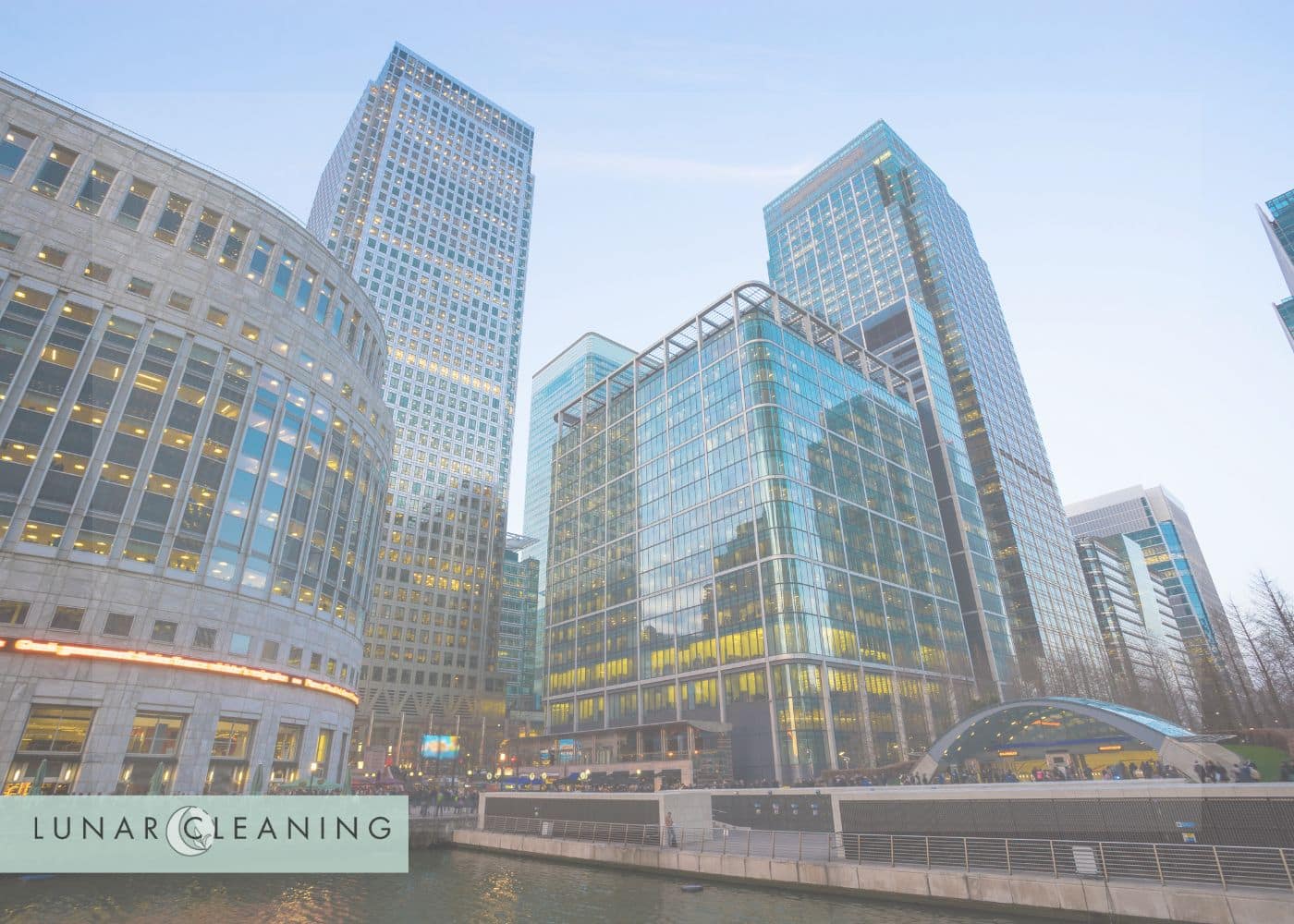
Where a business is located plays a major role in how often its windows need cleaning. Urban areas usually have higher pollution levels, meaning city centre buildings collect grime and dust quickly. Sites next to busy roads or in industrial zones are frequently exposed to exhaust fumes or airborne particles. In contrast, rural sites may deal more with organic debris such as pollen or mud, especially during seasonal changes.
Environmental Impact
External conditions directly influence cleaning needs. Weather in the UK is often damp, leading to rainwater marks and streaks. Industrial sites experience fallout from nearby facilities, while proximity to trees increases buildup from sap or leaves. Businesses should also be more alert to seasonal variations, spring brings pollen, autumn adds fallen leaves, and winter can leave mud splashes or salt stains from road grit.
Building Structure and Accessibility
The type and size of a building affect window cleaning plans. High-rise buildings require specialist equipment and trained staff for upper floors, which can make frequent cleaning more complex. Window design, such as deep recesses or architectural features, may accumulate dirt faster or make cleaning difficult. Accessibility factors, like narrow walkways or limited access points, can extend the time needed for a thorough job and influence how often cleaning is practical.
Considering these factors helps each business decide how often their windows need attention to maintain a professional appearance and protect their property.
Industry-Specific Window Cleaning Recommendations

Retail, Hospitality, and Customer-Facing Businesses
High standards of visual presentation are vital for retail shops, hotels, and restaurants. These customer-centric spaces depend on clean windows to showcase products, enhance curb appeal, and create a welcoming atmosphere. In busy shopping areas, windows accumulate dust, fingerprints, and street grime, requiring frequent attention. As a general guideline, retail and hospitality businesses should schedule professional window cleaning every 4 to 8 weeks. In high-traffic locations or those exposed to substantial environmental pollutants, cleaning may be needed even more often to maintain a spotless appearance and attract footfall.
Office Buildings and Corporate Spaces
Clean windows in office environments improve natural light and foster a professional impression for staff and visitors. Offices situated in busy urban areas, especially high-rise buildings, tend to collect urban pollution and rain streaks quickly. Most standard office buildings benefit from a cleaning frequency of every 1 to 3 months. However, premises near construction or with high visibility should consider cleaning more often to preserve clarity and image.
Healthcare Facilities and Food Service Establishments
Hygiene is critical in healthcare and food service environments. Dirty windows can signal a lack of care, impacting patient trust or customer confidence. Here, windows must be cleaned more frequently, often weekly, with daily spot cleaning for obvious marks. This level of attention helps uphold strict hygiene standards and aligns with regulatory guidelines for cleanliness.
A tailored approach, considering business type, location, and industry standards, ensures your property always reflects your commitment to quality and professionalism.
Seasonal Considerations for Window Cleaning in the UK
Spring: Clearing Away Winter’s Grime
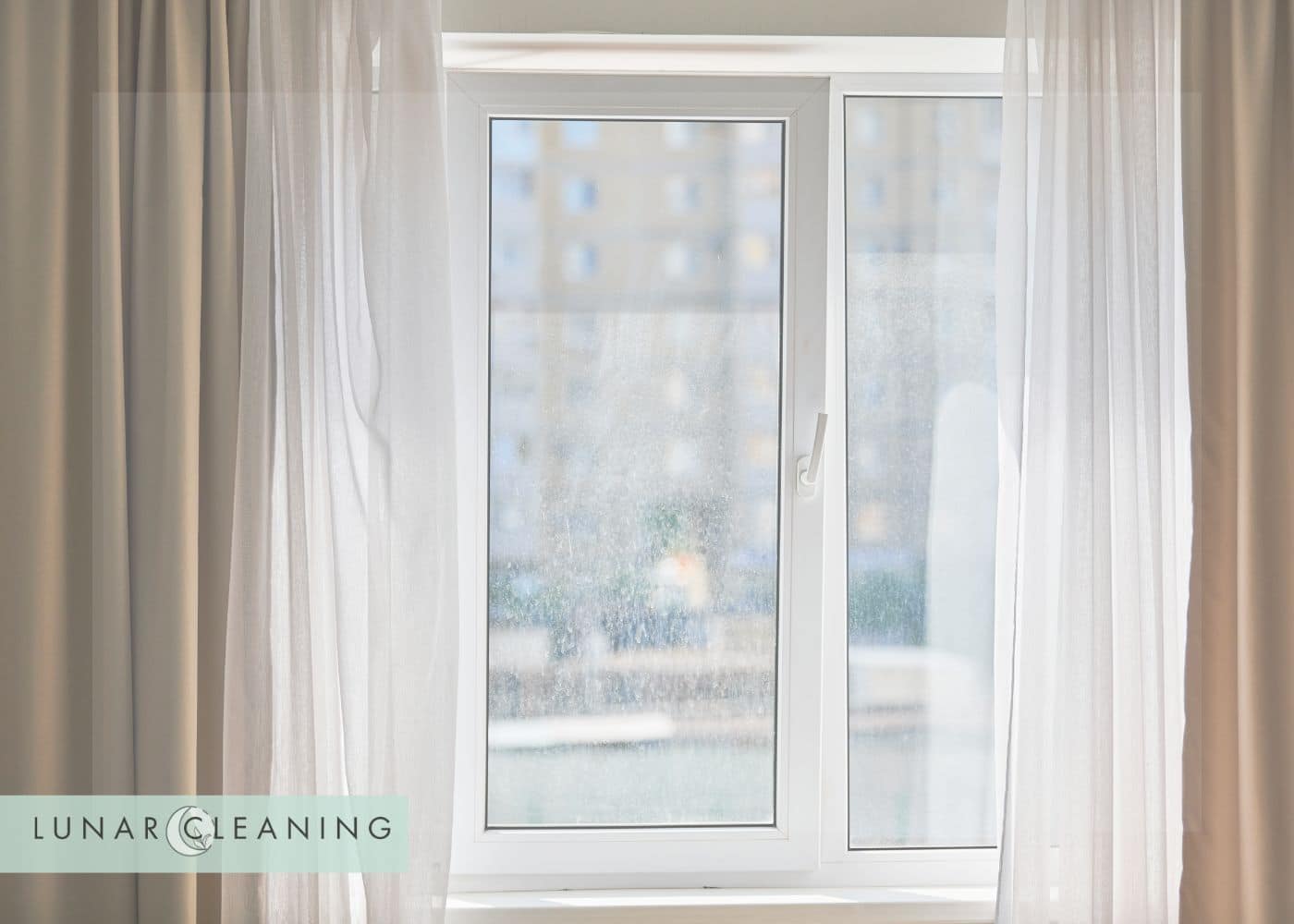
As daylight increases and the sun rises higher, the marks left by winter weather become impossible to ignore. Dirt, salt, and moisture that accumulate over the colder months can leave windows dull and streaked. Spring is typically seen as a time for a deep clean. This fresh start removes built-up grime, improves natural light, and revitalises your business’s appearance. With increased footfall and visibility, a thorough spring window cleaning can set the tone for a brighter, more welcoming space.
Summer: Managing Pollens and Dust
Summer brings its own set of challenges. Dry weather means more airborne dust and pollen, which quickly gather on commercial windows. Busy roads and construction work during these months can also add to the problem. Regular cleaning during summer ensures windows remain spotless despite these conditions, helping to reduce visible streaks and maintaining clarity for staff and visitors alike.
Autumn and Winter: Battling Debris and Weather
As autumn arrives, falling leaves, rain, and windy weather introduce organic debris and stubborn stains. In winter, short days and damp conditions result in further grime, as well as potential water spots from frequent rainfall. Addressing these seasonal challenges requires more frequent or targeted cleans to prevent buildup, which, if ignored, can lead to longer-term damage or safety concerns due to obscured visibility.
Proactive adjustments to cleaning schedules ensure clear windows through all seasons, keeping both presentation and maintenance on track for your business.
Creating a Cost-Effective Window Cleaning Schedule

Budgeting for Regular Cleaning
Creating an effective window cleaning schedule begins with budgeting. Commercial window cleaning is a necessary investment for property care and business image, so it is important to allocate an appropriate budget. Decide early on how much your business is willing to spend within a year, and whether monthly, quarterly, or bespoke plans suit your needs. Both the size and layout of your building will impact the costs: larger buildings or those with extensive glazing require more time and resources. Cleaning frequency also affects cost, regular scheduled visits tend to be more cost-effective than sporadic, one-off cleans, as ongoing dirt and debris are managed more efficiently over time.
Prioritising High-Visibility Areas
Not all windows require the same level of attention. Focus your budget on high-visibility areas, such as main entrances, street-facing windows, and customer waiting zones. These are the first aspects noticed by visitors, making regular cleaning here essential. Internal windows or those in restricted-access sections, such as storage or back offices, can be cleaned less frequently, helping to manage overall costs.
Balancing Frequency and Quality
Striking the right balance between how often you clean and how thorough each session is will ensure optimal results without overspending. Aim for a schedule where visible areas receive more frequent, light cleans and all windows benefit from deeper, comprehensive cleaning on a less regular basis. This approach maintains good appearance year-round and allows you to control expenses. Periodic reviews of your building’s needs, especially after seasonal changes, help refine the schedule for maximum value and impact.
With an efficiently structured cleaning plan, your business can maintain professional standards and protect building assets, while controlling maintenance spending.
Professional vs. In-House Window Cleaning
Choosing Between Professional Services and In-House Efforts
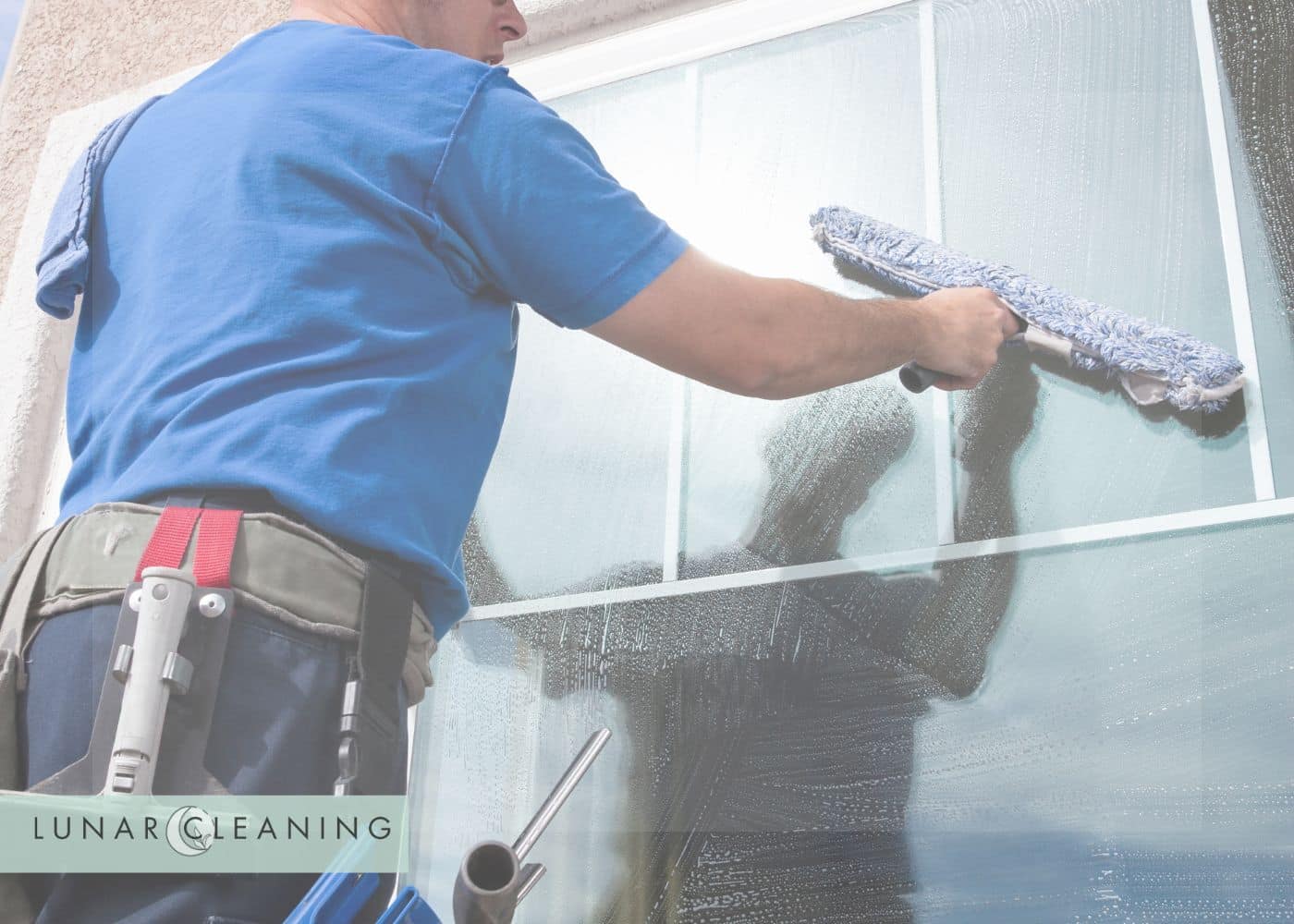
For UK businesses, the decision to use professional window cleaners or rely on in-house staff has clear implications for appearance, safety, and liability. Professional window cleaning companies bring specialist knowledge, advanced cleaning solutions, and equipment designed for commercial properties. This expertise supports consistent results and ensures windows are maintained to a high standard.
A significant benefit of engaging professionals is their adherence to strict health and safety rules. Commercial window cleaners in the UK are trained to operate safely at height and handle challenging access, reducing the risk of accidents. They carry appropriate insurance, offering protection should issues arise during cleaning.
Maintaining Windows Between Scheduled Cleans
Even with a regular professional schedule, in-house staff can address immediate or minor issues, such as spot cleaning fingerprints in entranceways or removing isolated bird droppings. Simple tasks, performed carefully and with the right products, help extend the time between full cleans and maintain a tidy appearance for visitors and staff.
Safety Considerations for All Cleaning
Health and safety must always be prioritised. For in-house jobs, avoid tasks that require working at height or specialised equipment, as untrained staff face elevated risk. Always use the correct cleaning products and tools to prevent damage to glass, seals, and frames.
Making informed choices between professional contracting and in-house cleaning helps preserve your business’s presentation and asset value.
Signs Your Windows Need Cleaning More Frequently
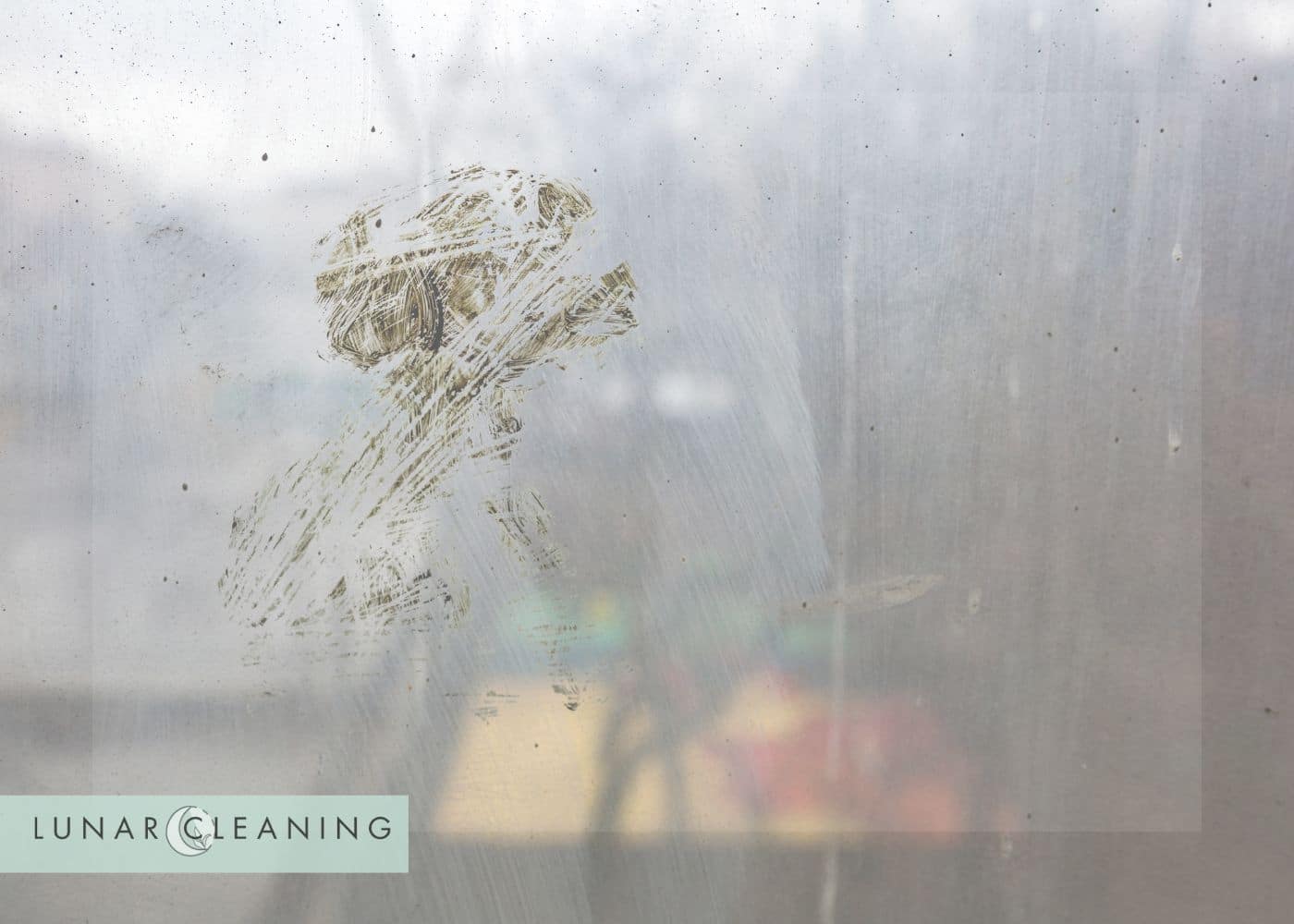
Visual Indicators of Insufficient Cleaning
Clear windows are key to a professional business image. If your windows regularly appear streaky, cloudy, or show visible smudges, this is an immediate sign that current cleaning intervals are not sufficient. Dirt film or water spots can block natural light, leaving interiors noticeably dimmer and less inviting. Sticky residues, fingerprints, and dust buildups are easy to spot both from inside and outside the premises, detracting from the look of window displays or signage. Over time, unattended dirt and grime can give windows a permanently dull appearance, even after a basic clean.
Customer Perception and Feedback
Customers are quick to notice dirty windows, especially in retail, hospitality, or food service environments. A neglected appearance can deter foot traffic, damage your business reputation, and even lower customer trust. Feedback in online reviews or comments from visitors may highlight visible dirt, prompting others to form negative impressions or choose competitors with cleaner premises. Shops and offices with consistently clean windows are often seen as more welcoming and reliable by both customers and staff.
Risks of Glass Damage from Prolonged Dirt
Leaving dirt to accumulate does more than affect appearance. Over time, abrasive dust and grime can scratch glass surfaces, especially if they are wiped down without proper rinsing first. Pollutants, water spots, and bird droppings can etch or stain glass, making future cleaning less effective and potentially shortening the lifespan of the windows. Damage can lead to costly replacements and negatively impact your property’s long-term value.
Noticing any of these signs signals it’s time to review your cleaning schedule. Regular assessment of window condition ensures your business environment remains bright, welcoming, and protected against avoidable damage.
Choosing the Right Commercial Window Cleaning Service

Key Qualifications and Credentials
Selecting a reliable window cleaning service is vital for safeguarding your property, staff, and reputation. In the UK, window cleaners do not require a national licence, except in Scotland where local councils may mandate it. Still, reputable companies should demonstrate proper business registration and relevant training. Look for firms whose staff are skilled in safe use of water-fed poles, have health and safety training, and are qualified in first aid or working at heights, especially for high-rise work.
Insurance Matters
Professional window cleaning services should carry essential insurance. Employers’ liability insurance is legally required if they have staff. Public liability insurance, while not mandatory by law for sole traders, is strongly recommended as it protects against accidents or property damage claims involving the public. It is also wise to check for tools and equipment insurance, which ensures the company can replace vital gear if it is lost or stolen.
What to Ask When Comparing Quotes
Before hiring, ask practical questions:
- What relevant training and experience do your staff have?
- Are you fully insured for public and employer’s liability?
- What tools and safety equipment will you use?
- What is included in the cost, are there extra charges for high-rise or complex work?
- How do you handle risks associated with heights and hazardous substances? A responsible firm will answer these questions openly and provide documentation on request.
Importance of Equipment and Safety
Quality equipment is central for safe, effective commercial window cleaning. Ensure your chosen service uses modern, well-maintained kit, like water-fed poles, safety harnesses, and PPE for staff working at height or with chemicals. Regular training and inspections lower accident risks, protect workers, and reduce the potential for property damage.
A careful approach to service selection ensures your business maintains its best appearance and stays protected.
Conclusion: Maintaining Crystal Clear Windows Year-Round
Establishing a consistent window cleaning routine is vital for UK businesses seeking to uphold a positive image and protect their property. Recommended cleaning intervals vary by sector and location: retail shops and restaurants often require cleaning every 4-8 weeks, while office buildings can benefit from a 1-3 month schedule. For businesses exposed to high pollution or busy roads, more frequent cleans may be necessary. Healthcare and food service facilities must maintain strict standards, often with weekly window maintenance, to ensure hygiene and compliance with regulations.
The long-term benefits of regular window cleaning are extensive. Clean panes improve natural light, boost employee morale, and help maintain a healthy indoor environment by reducing dust and allergens. Regular attention prevents the build-up of grime that can damage glass over time and lead to avoidable repair or replacement costs.
Ultimately, investing in a reliable schedule supports your business’s credibility and the lifespan of your property’s windows. Consistent care creates a welcoming environment for both customers and staff, reinforcing your commitment to quality in every detail.