



Introduction to Green Seal Certification
Understanding Green Seal Certification
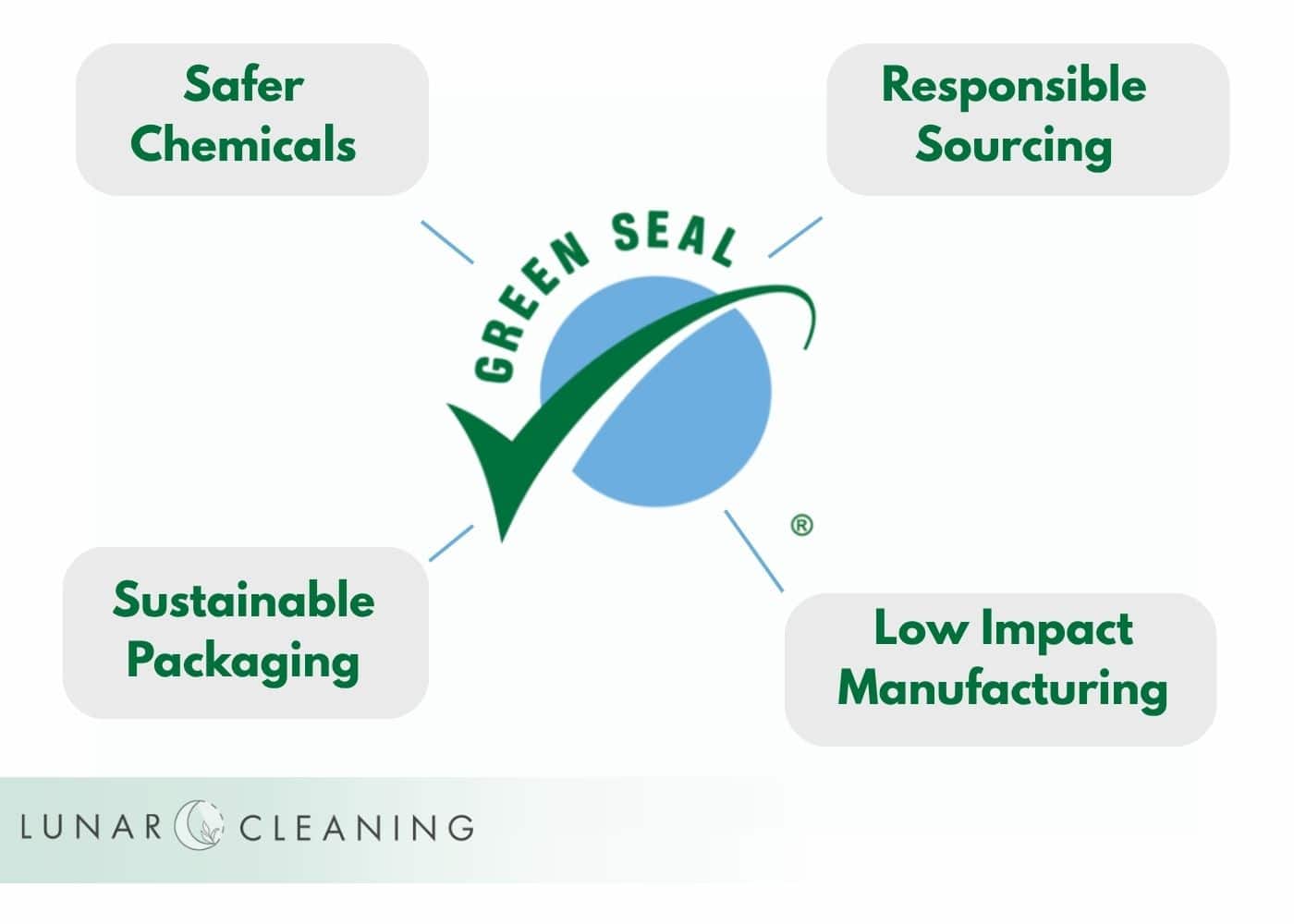
Green Seal certification is a respected standard applied to commercial cleaning products. Its main goal is to verify that products meet strict requirements for safety, health, and environmental impact. By passing independent testing and review, certified cleaners prove they perform well while also being kinder to people and the planet. The certification acts as a visible mark of trust, signalling that a product contributes to sustainable and healthier cleaning practices.
Growing Relevance of Eco-Friendly Cleaning in the UK
Interest in eco-friendly cleaning solutions has surged across the UK. Businesses, schools, public buildings, and other commercial spaces increasingly look for ways to reduce their environmental footprint. This demand is driven by awareness about the effects of traditional chemical cleaners. Shoppers now favour products that support good health and lower pollution risks. With new regulations and consumer expectations shaping the market, sustainable choices in cleaning are no longer optional, they are becoming the standard.
Organisations adopting green cleaning see benefits that ripple beyond compliance. They reduce workplace hazards for staff, align with national sustainability goals, and often improve their reputation. Employees and customers are more likely to trust brands that demonstrate responsibility toward health and the environment.
Who Benefits from Certification?
Certification offers far-reaching advantages:
- Businesses gain recognition for setting high safety and environmental standards. This can boost marketing efforts and make it easier to win contracts where sustainability matters.
- Consumers have clear guidance when choosing cleaning products that help protect their families and colleagues.
- The environment benefits as fewer toxins are washed into water systems, packaging waste is reduced, and air quality is improved.
As more UK organisations seek responsible cleaning solutions, understanding certification standards is a crucial first step in building healthier, more sustainable environments.
The Evolution of Green Seal Standards in the UK
Early Beginnings and UK Introduction
Green Seal certification began as a response to growing concerns surrounding the environmental and health impacts of conventional cleaning products. Originally developed in the United States, it became recognised as a credible standard for identifying cleaning solutions that meet high environmental and safety criteria. Its introduction to the UK market aligned with a broader shift towards sustainability in commercial spaces, as organisations began seeking reliable indicators of environmental responsibility for their products.
Adapting to Environmental Challenges
As awareness of environmental issues grew, so too did the expectations placed on cleaning products. The standards set by Green Seal have adapted to these evolving challenges. Changes in regulations, greater scientific understanding of chemical hazards, and new sustainability benchmarks have resulted in stricter requirements. For example, requirements now focus not only on product performance and safety but also on the full lifecycle of the product, including sourcing, manufacturing, use, and disposal.
The Green Seal certification process also began requiring better transparency, ensuring that manufacturers disclose ingredients and place stronger emphasis on recyclability, biodegradability, and reduced toxicity. It recognises innovations such as concentrated formulas, refill systems, and sustainable packaging, reflecting a holistic approach to greener cleaning.
Comparisons with Other UK Environmental Certifications
Within the UK, various environmental certifications exist for cleaning products. The EU Ecolabel and UK-specific standards, such as the British Standards Institution’s “BS EN” marks, similarly assess products for minimal environmental harm and user safety. However, Green Seal is distinct in its comprehensive scope. It not only assesses immediate product safety and performance but also requires consideration of long-term ecological impact and sustainability along product life cycles.
This broader perspective sets Green Seal apart by rewarding continuous improvement and encouraging manufacturers to regularly update formulas and practices in line with the latest environmental science.
Understanding this evolution helps stakeholders appreciate the stringent, forward-thinking framework Green Seal brings to commercial cleaning products in the UK.
Core Criteria for Green Seal Certification
Performance, Health, and Environmental Benchmarks
Green Seal certification sets high standards for commercial cleaning products. Products must first show that they perform as well as non-certified alternatives. This gives buyers in the UK confidence that switching to a greener product does not mean sacrificing cleaning power. Certification is awarded only if cleaning efficacy is proven through recognised industry tests and evaluates the product as used in real-world conditions.
Toxicity and Biodegradability Requirements
To protect human health, Green Seal prohibits the use of ingredients that are toxic, carcinogenic, mutagenic, or reproductive toxins in undiluted products. Products must not contain ingredients known to cause asthma (except for certain exemptions like enzymes that may not be categorized as asthmagens under specific conditions), serious eye damage, or skin sensitisation. Additionally, the product must not be acutely toxic by oral or inhalation exposure.
Environmental criteria focus heavily on biodegradability and the risk of bioaccumulation. Each organic ingredient used must meet strict standards for aquatic biodegradability, ensuring it breaks down quickly and safely in water systems. Ingredients that persist in the environment or accumulate in living organisms are not permitted. This safeguards aquatic life and reduces long-term environmental impact.
Combustibility is also evaluated. The product must not be combustible and must maintain specific flashpoint levels. Additional considerations cover the types of colorants and fragrances used, ensuring they do not contribute to risks for users or the environment.
Lifecycle Assessment Considerations
A key feature of Green Seal certification is the lifecycle approach. Assessment extends beyond the product’s ingredients to cover its environmental footprint from manufacture through to disposal. Lifecycle assessment (LCA) quantifies resource use, water consumption, waste, and emissions. This ensures that products are not only safer during use but are produced and disposed of in a way that minimises harm to health and the environment.
By upholding these criteria, Green Seal drives continuous improvement and assures stakeholders in the UK of both product safety and sustainability.
Health Benefits of Green Seal Certified Products
Lower Exposure to Harmful Chemicals
Green Seal certified commercial cleaning products are formulated to minimize the use of hazardous ingredients such as PFAS and high levels of volatile organic compounds (VOCs). As a result, cleaning staff and building occupants experience a notable reduction in exposure to chemicals that can irritate the skin, eyes, or respiratory system. Only ingredients with strict safety profiles are permitted, decreasing health risks linked to conventional cleaning agents that often use strong and potentially toxic substances.
Improved Indoor Air Quality
Indoor air quality is a key concern in commercial environments, where chemical residues and airborne particles accumulate. Green Seal certified products are designed to release minimal airborne dust and gases, helping to maintain cleaner air. Products are low-VOC by standard, ensuring that fewer irritants are released during use. Better indoor air quality promotes greater comfort for building occupants and supports a healthier workspace for cleaning staff.
Reduced Respiratory and Allergic Reactions
By limiting harmful chemicals and particulates, Green Seal certified products contribute to a decreased incidence of asthma, allergies, and related health issues among both staff and regular occupants. Evidence indicates that traditional chemical cleaners may trigger or exacerbate respiratory conditions. With certified products, there is a measurable improvement in occupant wellbeing through fewer chemical triggers in shared spaces.
Promoting Long-Term Wellbeing
By prioritising human health, Green Seal certified choices assist organisations in providing safer, healthier spaces. Cleaning staff benefit from less frequent and less intense contact with harsh substances, while occupants of offices, schools, or commercial venues experience fewer symptoms linked to poor air quality. Businesses adopting these products proactively address staff and client welfare, which can foster a more supportive and productive environment.
As the focus on wellbeing grows within UK workplaces, understanding the environmental impact of product choices becomes even more vital.
Environmental Impact and Sustainability
Minimising Air and Water Pollution
Switching to Green Seal certified cleaning products greatly reduces the release of harmful substances into both the air and water systems. Conventional cleaning agents often contain volatile organic compounds (VOCs) and persistent synthetic chemicals that contribute to indoor and outdoor air pollution. When these substances evaporate or are washed down drains, they can harm aquatic life and disrupt natural ecosystems. Green Seal certified products are formulated to break down more easily and are less likely to introduce toxins, helping businesses lessen their environmental footprint.
Resource Conservation in Manufacturing
Sustainable manufacturing is a cornerstone of Green Seal certification. Certified producers must adopt responsible sourcing and manufacturing methods that limit water and energy consumption throughout the production process. By focusing on renewable resources and efficient technologies, certified companies reduce demand on natural resources. This resource-conscious approach ensures that both the extraction and processing of materials have a minimal negative effect on the environment, supporting cleaner supply chains.
Waste Reduction Achievements
Green Seal places strong emphasis on reducing waste at every stage. Certified products often use packaging designed to be recyclable, made from recycled content, or minimised in size to cut down on unnecessary waste. Concentrated formulations, which require less packaging and transport, are encouraged. Additionally, manufacturers must work to reduce manufacturing waste and provide clear recycling guidance to end users. These efforts combine to lower landfill contributions and promote a more circular approach to materials.
With these comprehensive measures, Green Seal certified cleaning products demonstrate that strong cleaning performance can go hand-in-hand with environmental stewardship. Responsible choices across product design, production, and packaging encourage sustainability for organisations and communities alike.
Green Seal Certification Process for UK Manufacturers
Step-by-Step Application and Evaluation
Securing Green Seal certification for commercial cleaning products in the UK requires manufacturers to navigate a well-defined, multi-stage process. This rigorous pathway supports transparency and ensures only products that meet the highest environmental and health standards can carry the Green Seal mark.
- Prescreen Submission
The process starts with a pre screen application. Manufacturers must submit formula details for preliminary review. This first stage checks eligibility and ensures there are no immediately disqualifying ingredients, such as certain toxins or prohibited chemicals. - Full Application
If the product passes the prescreen, a more comprehensive application follows. At this stage, manufacturers provide detailed product and service information, including documentation on all ingredients, intended use, sourcing, and safety data. - Product Review
Green Seal experts evaluate documentation for compliance against the applicable certification standard (e.g., GS-37 for institutional cleaning products). This includes verifying thorough ingredient disclosure and evidence that the product does not include restricted substances, such as PFAS, carcinogens, or ozone-depleting compounds. - Testing Protocols
Products must undergo specific testing to confirm claims related to cleaning effectiveness, biodegradability, and toxicity. These tests rely on internationally recognised methods, such as OECD and ISO standards. Testing is not always required for every ingredient if strong peer-reviewed data or recognised databases confirm compliance. - Site Visit
A site visit may be conducted to verify production practices, environmental management systems, and traceability of raw materials, ensuring the information submitted matches actual operations. - Certification Decision
Only after all criteria are verified does Green Seal issue certification. UK-specific requirements, such as compliance with additional regulatory standards or submission of Safety Data Sheets in a specific format, must also be met.
Achieving certification is an investment in quality, ensuring products stand out in a competitive and increasingly sustainability-driven market. This structured process drives accountability from factory floor to final formulation.
Business Benefits of Using Certified Products
Marketing Advantages and Competitive Edge
Adopting Green Seal certified cleaning products offers a significant boost to a company’s brand image and reputation. Businesses that display recognised green certifications demonstrate a clear commitment to sustainability, which reassures clients and builds trust. In today’s commercial cleaning sector, clients are increasingly seeking suppliers who align with their own environmental values. This preference creates a marked competitive advantage for companies that can show independent proof of their green practices. Certification also helps businesses avoid the risks of greenwashing, as credible third-party validation fosters authenticity and transparency for potential customers and partners.
Green credentials are becoming a powerful factor in consumer choice. Studies show that over half of UK adults are influenced by a brand’s environmental reputation, and many are willing to pay more for products or services from sustainable companies. This perspective extends to attracting environmentally conscious and loyal customers, but also helps recruit and retain employees who value workplace sustainability.
Cost-Effectiveness and Long-Term Savings
While green cleaning products can sometimes carry a higher upfront cost, they often deliver cost savings over time. Certified products are designed for efficiency and lower environmental impact, which can mean reduced consumption of chemicals and water, fewer sick days among cleaning staff, and less damage to facilities. These operational efficiencies lead to lower long-term expenses, compensating for any initial outlay. Furthermore, sustainable cleaning programmes can attract various grants and incentives, helping businesses manage the costs of transition.
Alignment with Sustainability Goals and ESG Reporting
Using Green Seal certified products ensures tangible alignment with corporate sustainability commitments and ESG (Environmental, Social, and Governance) goals. Certification makes it simpler to document environmental achievements and report on progress in sustainability audits. This transparency is valued not only by stakeholders and investors but also by employees who take pride in working for environmentally responsible organisations.
These combined benefits enable businesses to strengthen their public image, enhance operational efficiency, and support industry-wide sustainability efforts, setting a clear foundation as they move toward broader green procurement strategies.
Resources for UK Businesses
Directory of Green Seal Certified Products in the UK
Businesses seeking to use environmentally responsible cleaning products can benefit from referring to directories of Green Seal certified products. These directories feature a wide range of cleaning solutions, including general-purpose, glass, bathroom, and carpet cleaners, all conforming to Green Seal’s strict ecological and health criteria. Notably, such products are made without harmful chemicals, are low in volatile organic compounds (VOCs), and exclude per- and polyfluoroalkyl substances (PFAS).
A current list of certified commercial cleaning products is available on the Green Seal website. This online resource allows users to search by product category, manufacturer, or certification status, ensuring UK facilities managers and procurement professionals can easily find approved solutions.
Guidance for Procurement Professionals
For organisations aiming to integrate certified products into their operations, clear procurement guidance is essential. Procurement professionals should:
- Consult updated directories of certified products to verify compliance.
- Prioritise products meeting both environmental and health requirements outlined by Green Seal.
- Look for supporting documentation, such as certificates and technical data sheets, ensuring traceability and accountability.
- Require suppliers to provide transparency regarding ingredients and certifications.
Guides from industry associations like the UK Cleaning Products Industry Association (UKCPI) can further assist in making informed, sustainable purchasing decisions. These resources stress the importance of balancing safety, sustainability, and performance.
Support Organisations and Specialist Consultancies
Support is available for UK companies moving towards green cleaning. Specialist consultancies can assist businesses in developing sustainable cleaning programmes, selecting compliant products, and training staff in environmentally sound practices. Additionally, organisations such as Green Facilities provide resources and advice on choosing green cleaning contractors who demonstrate a commitment to environmental responsibility.
By using these resources and guidance, businesses can confidently implement effective eco-friendly cleaning programmes, supporting both their immediate needs and wider sustainability ambitions.