


Introduction to Eco-Friendly Cleaning Products
What Makes Cleaning Products Eco-Friendly?
Eco-friendly cleaning products are designed to minimise harm to both human health and the environment. To be considered eco-friendly, a product typically contains biodegradable ingredients, avoids harsh synthetic chemicals, and is packaged with sustainability in mind. Many of these products use plant-based or naturally derived substances. They also come in recyclable or compostable packaging, aiming to reduce their overall ecological footprint.
The Growing Popularity in the UK
There has been a marked shift in consumer behaviour across the UK regarding cleaning choices. People are becoming more aware of how their everyday actions affect the environment. Eco-friendly cleaning products have seen a surge in popularity as consumers look for options that are safer for themselves and the planet. The market now offers a broad variety, from multi-surface sprays to laundry liquids, all designed with environmental impact in mind. This growing demand is changing how manufacturers formulate and package products, responding to calls for greater transparency and accountability.
Environmental Concerns with Conventional Cleaning Products
Conventional cleaning products often contain chemicals like ammonia, chlorine, and synthetic fragrances. While they may clean effectively, these substances can pose risks when they enter waterways or are released into the air. Wastewater containing these chemicals can affect aquatic life and disrupt ecosystems. Furthermore, many of the single-use plastic bottles that contain these products end up in landfill, contributing to the mounting problem of plastic pollution. Airborne chemicals released during use can also contribute to indoor air pollution and may have wider climate impacts.
Rise of Eco-Conscious Consumers
A noticeable transformation in the market is being driven by consumer demand. In the UK, approximately 78% of people now say they prefer to buy eco-friendly products. This strong preference reflects a wider cultural shift towards sustainability and a desire for greater health and wellbeing at home. The rise of the eco-conscious consumer is making sustainable cleaning not just a niche concern but a mainstream expectation.
Improved Indoor Air Quality and Respiratory Health
The Impact of Conventional Cleaning Products
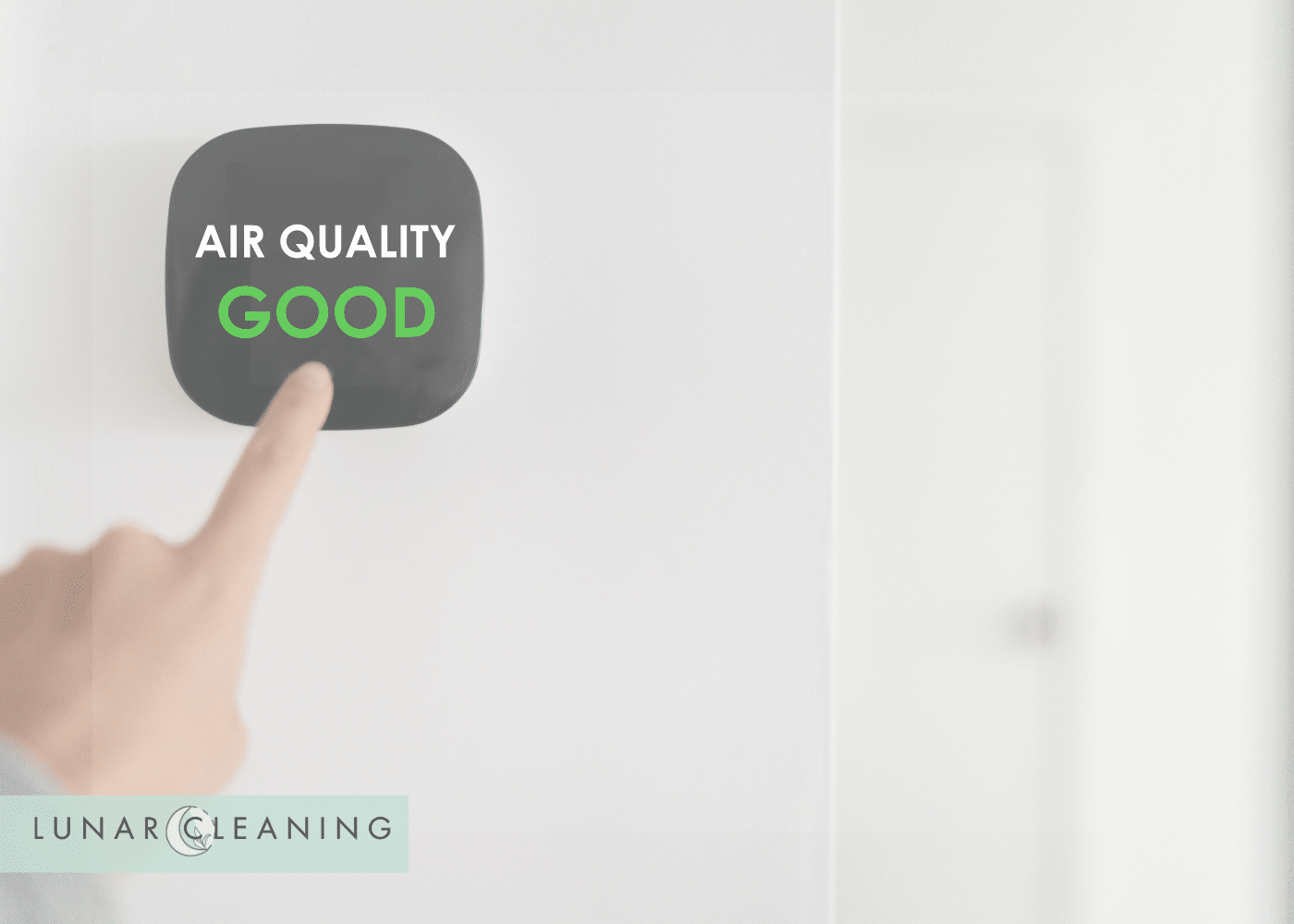
Many everyday cleaning products contain volatile organic compounds (VOCs) such as acetone, butanal, formaldehyde, ammonia, and bleach. These chemicals are found in items like air fresheners, disinfectant wipes, detergents, dishwashing liquids, and floor polish. When used, they release fumes into the indoor environment. VOCs are especially concerning because they easily vaporise at room temperature, allowing harmful gases to circulate and be inhaled throughout the home. Exposure to these fumes can lead to headaches, irritation of the eyes, nose, and throat, and has been linked to allergic reactions as well as longer-term respiratory conditions such as asthma.
Aside from direct effects, these chemicals can combine with other airborne substances to form secondary pollutants, further degrading indoor air quality. Children, elderly people, and those with asthma or respiratory sensitivities are especially vulnerable.
Advantages of Eco-Friendly Alternatives
Eco-friendly cleaning products rely on biodegradable and natural ingredients that are much less likely to emit harmful gases. These alternatives help in reducing the overall amount of airborne dust, chemical vapours, and allergens released during and after cleaning. By containing fewer synthetic fragrances and harsh chemicals, they lower the concentration of respiratory irritants found in the home.
Simple solutions like vinegar and water provide effective cleaning without aggravating sensitive lungs, and natural disinfectants reduce the need for harsh chemical sprays.
Connection to Respiratory Health
Cleaner air at home brings notable health benefits. Reducing the presence of toxins and irritants in the air lowers the risk and frequency of asthma attacks and other breathing problems. Over time, regular use of eco-friendly cleaning options can contribute to fewer respiratory symptoms and improved overall well-being for all household members.
The shift towards natural cleaning methods represents a vital step for both family health and a safer indoor environment. The next area of focus considers how eco-friendly choices also mean less exposure to toxic chemicals in general.
Reduced Exposure to Toxic Chemicals
Risks from Conventional Cleaning Chemicals
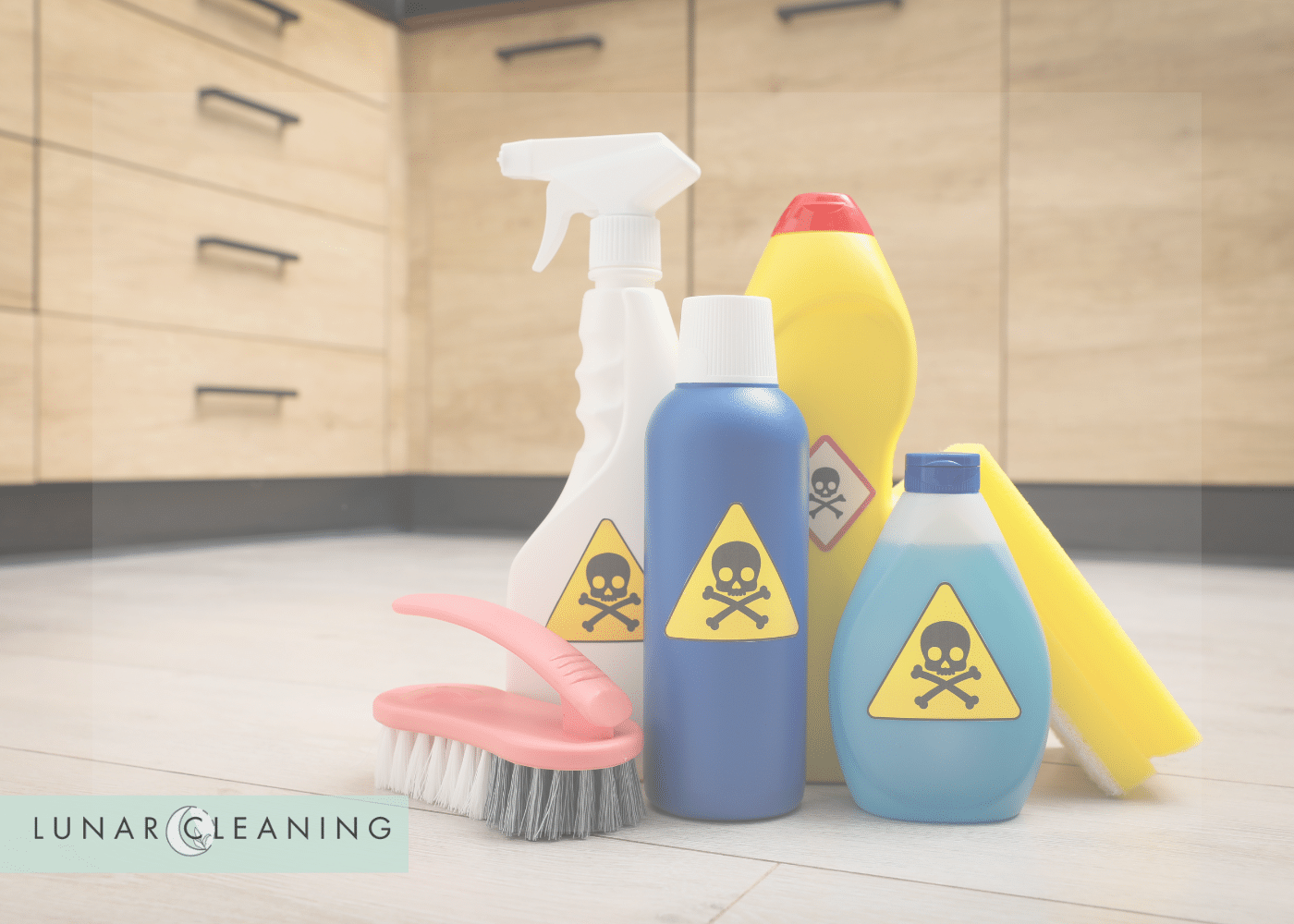
Many conventional cleaning products used in UK homes contain a mixture of synthetic chemicals that can pose significant health risks over time. Common substances include volatile organic compounds (VOCs), quaternary ammonium compounds (quats), bleach, ammonia, butoxyethanol, phthalates, sulphates, and synthetic fragrances like butylphenyl methylpropional (lilial). When products like bleach sprays, oven cleaners, or air fresheners are used, they can release toxic fumes and VOCs into indoor air. These substances may react indoors to form additional pollutants, making exposure especially risky for people with asthma or allergies.
Routine exposure to such chemicals has been associated with eye and skin irritation, chronic respiratory issues, asthma attacks, and even headaches. Long-term, low-level exposure may increase the risk of cancer, organ damage, and immune system weakening, particularly among children, the elderly, and people who regularly perform cleaning duties.
Benefits of Eco-Friendly Alternatives
Eco-friendly cleaning products take a different approach by avoiding harsh chemicals. These products often use natural ingredients such as vinegar, baking soda, lemon, and plant-based surfactants. These ingredients are less likely to irritate the skin and respiratory system, and they do not create dangerous chemical reactions indoors. For households with children, pets, or individuals with sensitivities, this simplicity is particularly important.
An additional advantage is the avoidance of “forever chemicals” such as PFAS, which can remain in the body for years and are suspected to have long-term health effects. Cutting out these persistent substances helps prevent future exposure.
Why Reducing Chemical Exposure Matters
Even at low levels, regular contact with synthetic chemicals from cleaning products can add up over time. Effects may not appear immediately, but there is mounting evidence linking long-term exposure to chronic conditions including respiratory disease and even developmental issues in children. By making the switch to products with fewer toxins, UK households take an important step toward safeguarding health throughout all stages of life.
Environmental Benefits Beyond the Home
Reducing Water and Air Pollution
Traditional cleaning products often contain chemicals that can harm water systems and air quality. When used or disposed of, these chemicals like phosphates and harsh surfactants can enter local streams and rivers, disrupting ecosystem balance. One concern is eutrophication, where excess nutrients fuel algal blooms that deplete oxygen, killing aquatic life. Eco-friendly cleaning products avoid such chemicals, using natural ingredients that biodegrade safely and do not add to water pollution. Moreover, these alternatives are formulated with lower levels of volatile organic compounds (VOCs), which helps reduce harmful emissions that contribute to air pollution and smog.
Minimising Waste with Recyclable and Biodegradable Packaging
Waste from single-use plastic bottles and non-recyclable containers is a longstanding environmental problem. Eco-friendly cleaning products address this by offering recyclable packaging, refillable options, or biodegradable materials that break down naturally. This minimises landfill waste and pollution of rivers and oceans, contributing to a healthier environment overall. Bulk buying and concentrated formulas further reduce the volume of packaging needed, making each purchase less wasteful.
Conservation of Resources and Lower Carbon Footprint
Eco-friendly formulations are typically made from renewable plant-based resources rather than petroleum-derived ingredients. This helps reduce the extraction of non-renewable resources and lowers the environmental impact of production. Many green cleaning products are also designed to work effectively in cold water, conserving the energy that might otherwise be used for heating.
The combined effects of reduced pollution, waste minimisation, and responsible use of resources help create a more sustainable future. These broader environmental benefits add to the health gains seen in the home, showing that individual choices can make a significant difference.
Economic and Practical Advantages

Long-Term Cost-Effectiveness
While eco-friendly cleaning products can seem more expensive at first glance, their value reveals itself over time. Many concentrated green products require less quantity per use and last longer than conventional alternatives, which means fewer purchases in the long run. This efficiency offers significant savings for households, especially as family size or cleaning frequency increases. When factoring in the reduction of health risks and potential compliance with future regulations, the investment in green cleaning becomes sensible and cost-effective for both families and businesses.
Effective Cleaning Without Compromise
A common misconception is that eco-conscious cleaning products compromise on effectiveness. In practice, many eco-friendly cleaners use natural, plant-derived ingredients that are powerful against grease, stains, and grime. For example, products featuring coconut oil-based surfactants and minerals are just as capable as their chemical-heavy counterparts. Independent comparisons continue to show that green cleaning solutions meet or exceed standard cleaning requirements, delivering the results consumers expect without environmental trade-offs.
Gentler on Surfaces and the Home
The impact of cleaning products goes beyond cleanliness; it affects the longevity of household surfaces and furnishings. Many traditional cleaners use harsh chemicals with low or high pH, which can corrode or degrade materials over time. In contrast, eco-friendly alternatives are usually formulated with neutral pH and gentler ingredients. This makes them suitable for a wider range of surfaces (wood, stone, glass, or metal) reducing the risk of damage. Surfaces cleaned with non-toxic products are less likely to suffer scratches, discolouration, or wear, ultimately extending their usable lifespan and saving replacement costs.
Awareness of these practical and economic benefits helps households feel confident in adopting and maintaining greener cleaning habits. Eco-friendly choices now meet everyday needs while supporting financial and home care priorities.
Making the Switch: Best Practices for UK Households

Practical Steps for Transitioning to Greener Cleaning
Moving to eco-friendly cleaning habits in the UK is easier than ever. Begin with small, simple changes. Swap out one or two commonly used cleaning products with certified eco-friendly choices. For example, select from brands like Dri-Pak or Faith in Nature, which use natural ingredients and environmentally responsible packaging. You can also make your own alternatives, such as combining liquid castile soap and baking soda for an effective surface cleaner.
Adopt the three R’s: reduce, reuse, and recycle. Use reusable cleaning cloths instead of single-use wipes. Opt for refillable products and concentrate refills to cut packaging waste. Compostable sponges and refill schemes further lower your environmental impact.
Identifying Genuine Eco-Friendly Products
The increase in green marketing means it is vital to tell genuinely eco-friendly products apart from greenwashed ones. To identify real sustainable cleaners:
- Look for reliable third-party certifications or ecolabels.
- Avoid vague language like “green” or “natural” unless supported by certification.
- Check ingredient lists for naturally derived, plant-based, or biodegradable components.
- Evaluate packaging, genuine eco products use recyclable, compostable, or refillable containers.
Be wary of misleading symbols or unverified claims. For thorough vetting, ecolabels such as “Safer Choice” (in the UK, look for EU Ecolabel or vegan society approved) signal careful ingredient sourcing and lower toxicity.
Access and Availability on the UK Market
Eco-friendly cleaning products have become widely accessible in the UK. Leading supermarkets, high street stores, and online shops now stock a range of green cleaning brands. Options like Ecoleaf, Miniml, and Eco-Mate are readily available, making the switch convenient and practical. With consumer demand growing and more transparent labelling, finding safe, effective, and affordable options is simpler than ever.
With these approaches, households can make sustainable choices that support health and the environment.