


Introduction
In the bustling realm of UK business, commercial carpet cleaning is not just a routine task, it’s an essential investment in health, aesthetics, and longevity. This blog outlines effective strategies for keeping your carpets clean and hygienic, particularly in spaces facing heavy foot traffic, spills, and various stains. For business owners, facility managers, and commercial cleaning service providers, understanding carpet maintenance best practices can significantly enhance a productive and pleasant workspace.
As we explore the details of carpet cleaning, we will discuss the importance of maintaining carpets in commercial spaces, common challenges, and actionable insights for UK-based businesses looking to comply with health and safety regulations while ensuring cleanliness.
Let’s first examine why maintaining clean carpets is vital for commercial spaces.
Understanding the Importance of Carpet Cleaning in Commercial Spaces
Health and Aesthetic Considerations
The condition of your carpets significantly affects both the health of your employees and the overall appeal of your premises. Regular commercial carpet cleaning helps eliminate allergens, bacteria, and dust, which can accumulate over time, contributing to respiratory problems and other health issues among staff. Studies show that dirty carpets can act as reservoirs for allergens, potentially leading to increased absenteeism due to conditions like asthma and allergies.
Furthermore, well-maintained carpets enhance your establishment’s overall appearance, promoting a professional image to clients and customers. First impressions matter, and clean carpets play a crucial role in this aspect.
UK-Specific Regulations
In the UK, various regulations highlight the importance of cleanliness in commercial environments, particularly regarding health and safety. For instance, the Health and Safety at Work Act mandates that employers must ensure the health and safety of their employees as much as reasonably possible. This requirement indirectly underscores the need for clean and hygienic workspaces, including carpets. Additionally, The Control of Substances Hazardous to Health (COSHH) Regulations necessitate that employers assess risks and implement safety measures, which may include appropriate carpet cleaning products.
Maintaining clean carpets is essential not only for health and aesthetics but also for complying with UK regulations that support workplace safety.
Common Challenges in Carpet Maintenance for Commercial Buildings
Factors Affecting Carpets in Commercial Environments
Maintaining carpets in commercial spaces presents unique challenges due to various factors:
- High Foot Traffic: Areas like offices, retail spaces, and hospitality venues experience constant movement, leading to rapid wear and tear. Dirt and grit can become embedded in the carpet fibres, complicating cleaning efforts over time.
- Spills and Stains: In environments like cafes or offices where food and drink are common, spills can lead to unsightly stains and lingering odours if not treated promptly.
- Dust and Allergens: Locations with significant air movement, such as galleries or exhibit spaces, often see increased dust accumulation on carpets, necessitating more frequent cleaning.
Specific Examples in the UK
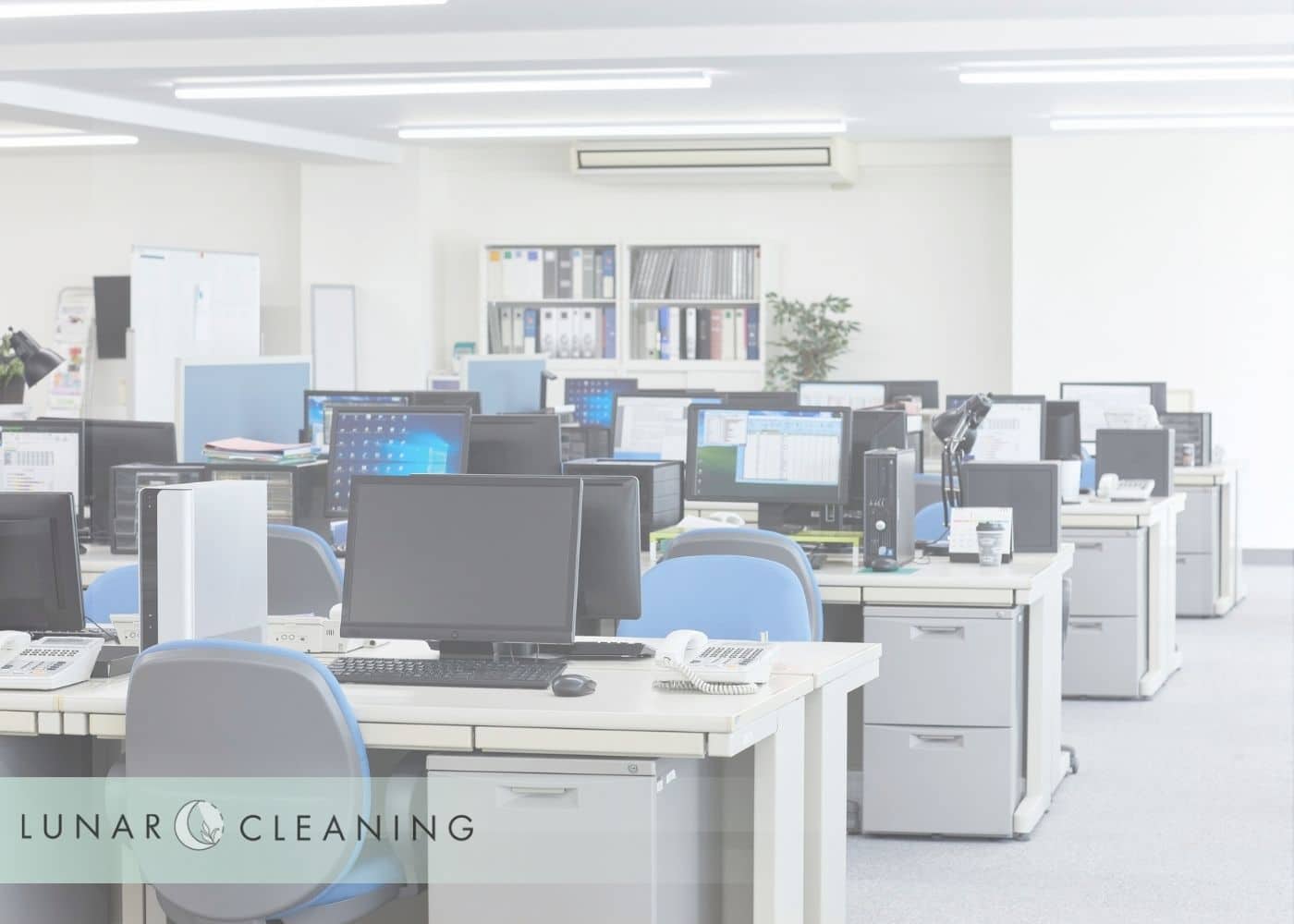
- Offices: In an office environment, the presence of numerous employees increases the likelihood of dirt, dust, and spills. Common cleaning needs may involve dealing with coffee stains, ink spills, or dirt carried indoors.
- Retail Spaces: Different types of flooring may require varied cleaning approaches. Shopping malls, especially during promotional events or seasonal sales, can see frequent wear on carpeting, necessitating immediate attention to uphold cleanliness and avoid customer complaints.
Understanding these challenges enables businesses to implement targeted carpet cleaning strategies to address issues effectively.
Best Practices for Commercial Carpet Cleaning
Regular Cleaning Schedules
Establishing and adhering to a regular carpet cleaning schedule is crucial for maintaining optimal hygiene.
Importance of Routine Cleaning
Routine cleaning helps to address dirt, stains, and allergens before they accumulate, preventing long-term damage to carpets. Regularly scheduled vacuuming and spot cleaning significantly enhance the longevity and appearance of your carpets.
Suggested Cleaning Methods
- Vacuuming: Ideally, high-traffic areas should be vacuumed daily, while less-trafficked zones may suffice with a twice-weekly schedule.
- Spot Cleaning: Address spills immediately to minimise staining. Keep a “first aid kit” for carpet stains, including paper towels, a neutral cleaning solution, and a brush.
For instance, a typical office schedule could look like this:
- Daily: Vacuum high-traffic areas, like the lobby and hallways.
- Weekly: Vacuum workstations and conference rooms and perform spot cleaning.
- Monthly: Rotate deep cleaning techniques based on foot traffic patterns.
Deep Cleaning Techniques
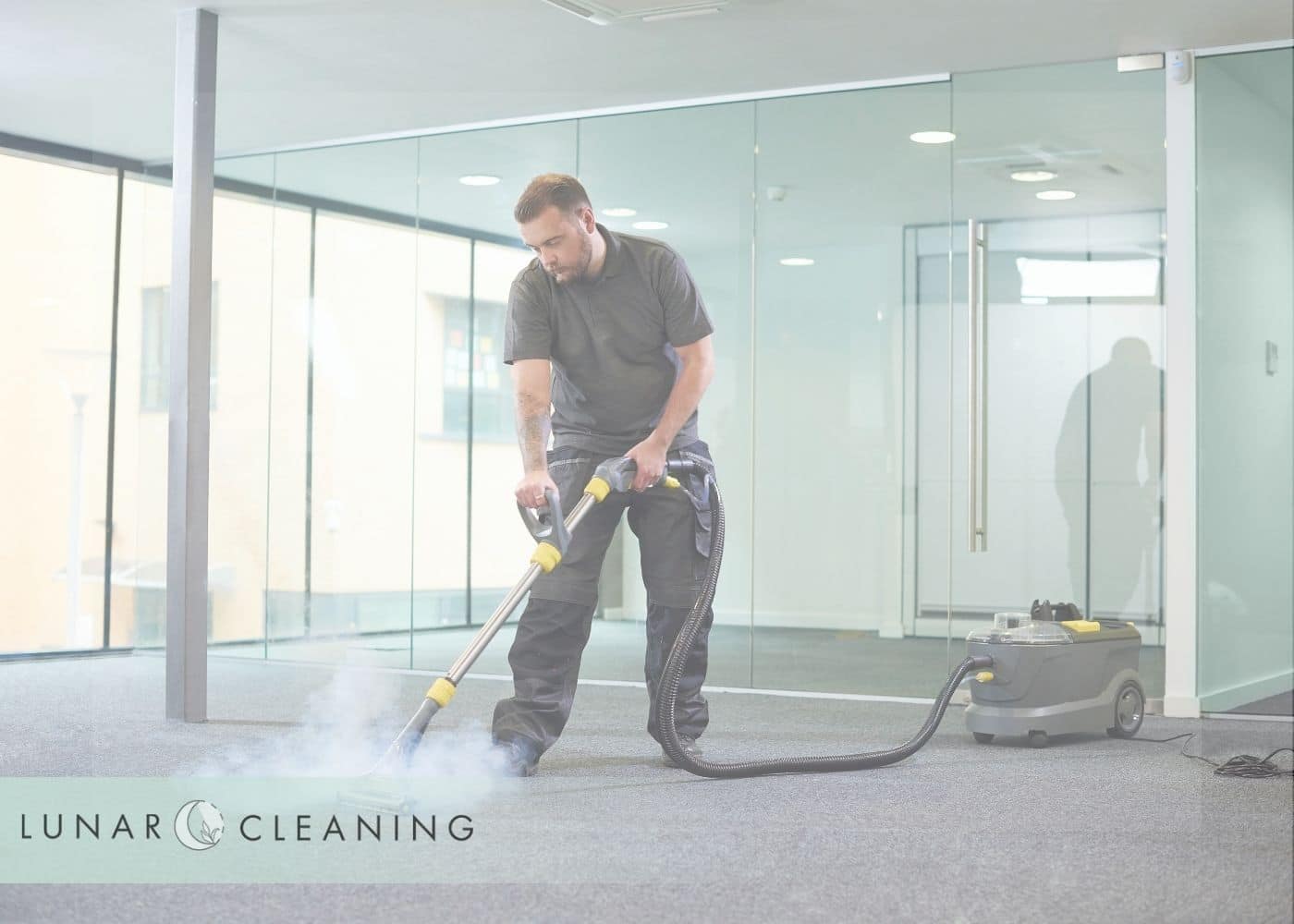
Deep cleaning is vital for maintaining the hygiene and appearance of carpets, delivering results that routine cleaning cannot achieve alone.
Types of Deep Cleaning Methods
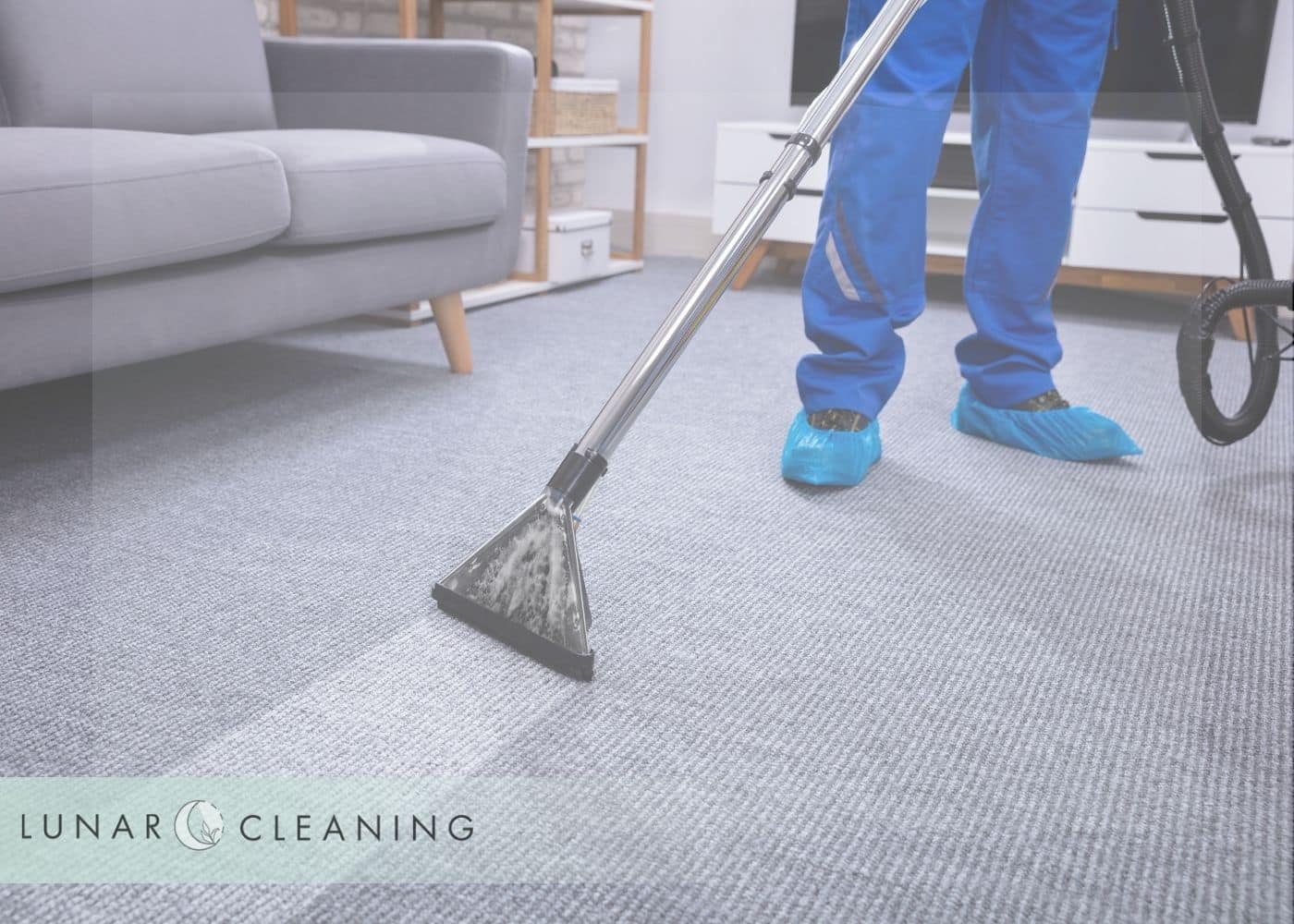
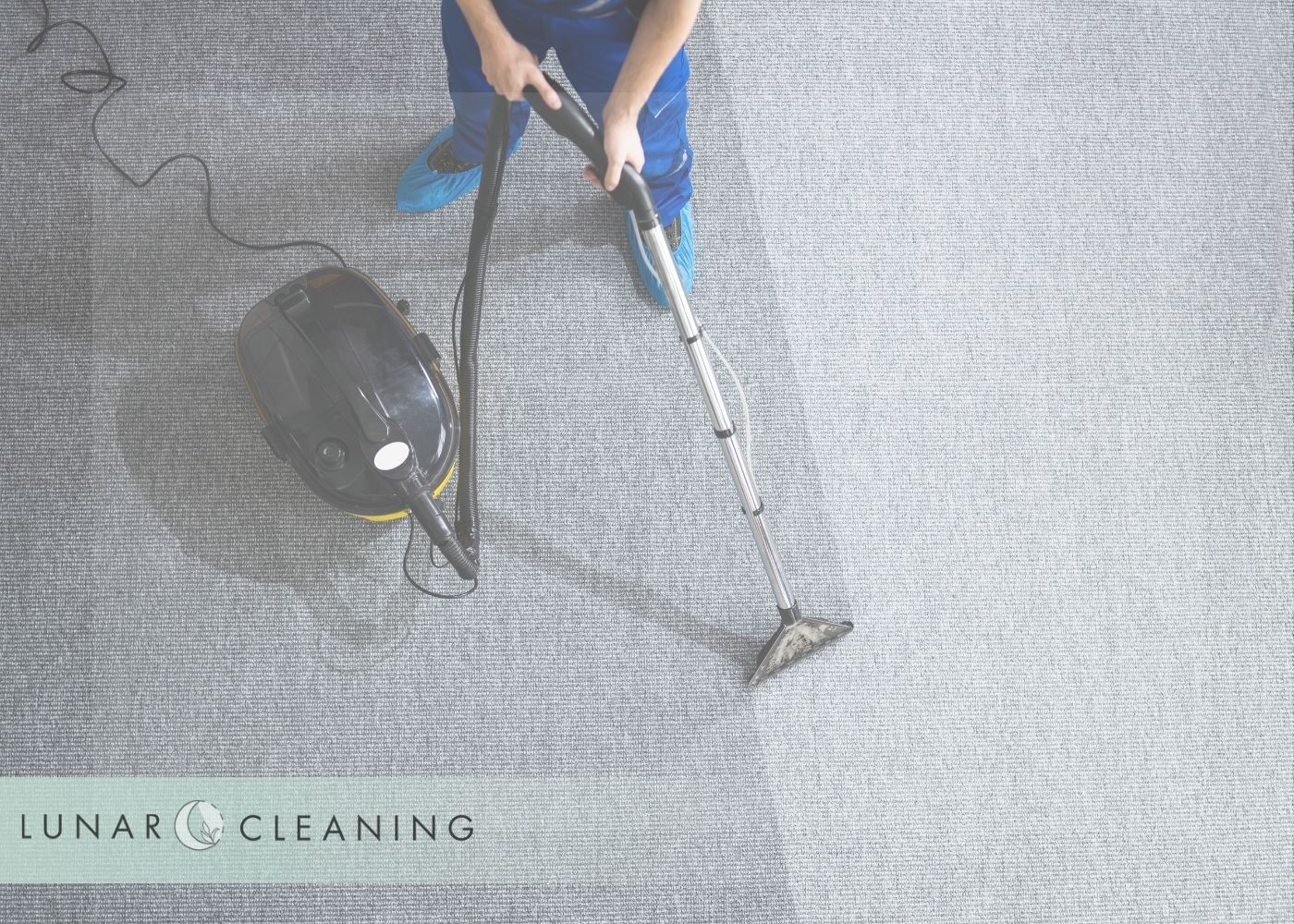
- Steam Cleaning: This method uses hot water and a cleaning solution to penetrate deep into the carpet fibres, effectively removing stubborn stains and sanitising the surface. However, this process can require significant drying time, making it less practical for very busy environments.
- Pros: Excellent for removing deep-seated dirt and allergens. Eco-friendly options are available.
- Cons: Requires downtime, potentially disrupting operations.
- Encapsulation Cleaning: A newer method where a polymer is applied to the carpet with agitation. As the solution dries, it traps dirt, allowing for easy vacuuming. This technique is often quicker and minimises disruption in busy settings.
- Pros: Less downtime and effective against dirt and stains.
- Cons: May need repeat applications for heavily soiled carpets.
For example, a retailer in London implemented a quarterly encapsulation cleaning schedule, which significantly improved the carpet’s appearance without major disruptions to customer flow.
Choosing the Right Cleaning Products
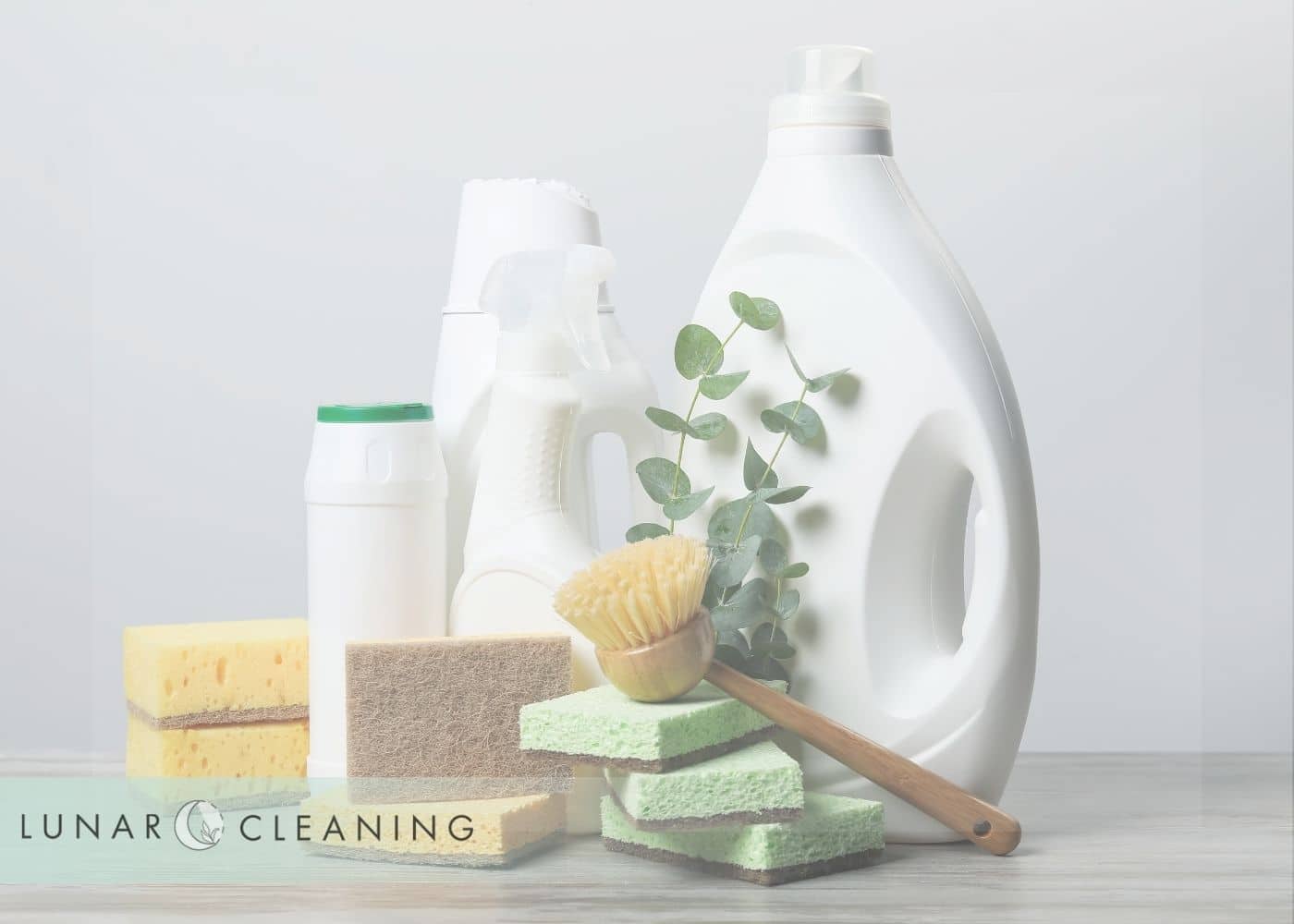
Selecting effective and compliant cleaning products is essential for ongoing carpet maintenance.
Eco-Friendly Options
Choose eco-friendly cleaning products that comply with UK regulations, such as those adhering to COSHH guidelines. These products protect the environment while ensuring safety for employees and customers.
Common Cleaning Products
- Neutral pH cleaners for spot cleaning.
- Carpet shampoos suitable for steam cleaning.
- Deodorising agents to combat unwanted smells.
Consulting with suppliers and reviewing ingredient lists can help select the best products for your carpets.
DIY vs Professional Cleaning Services
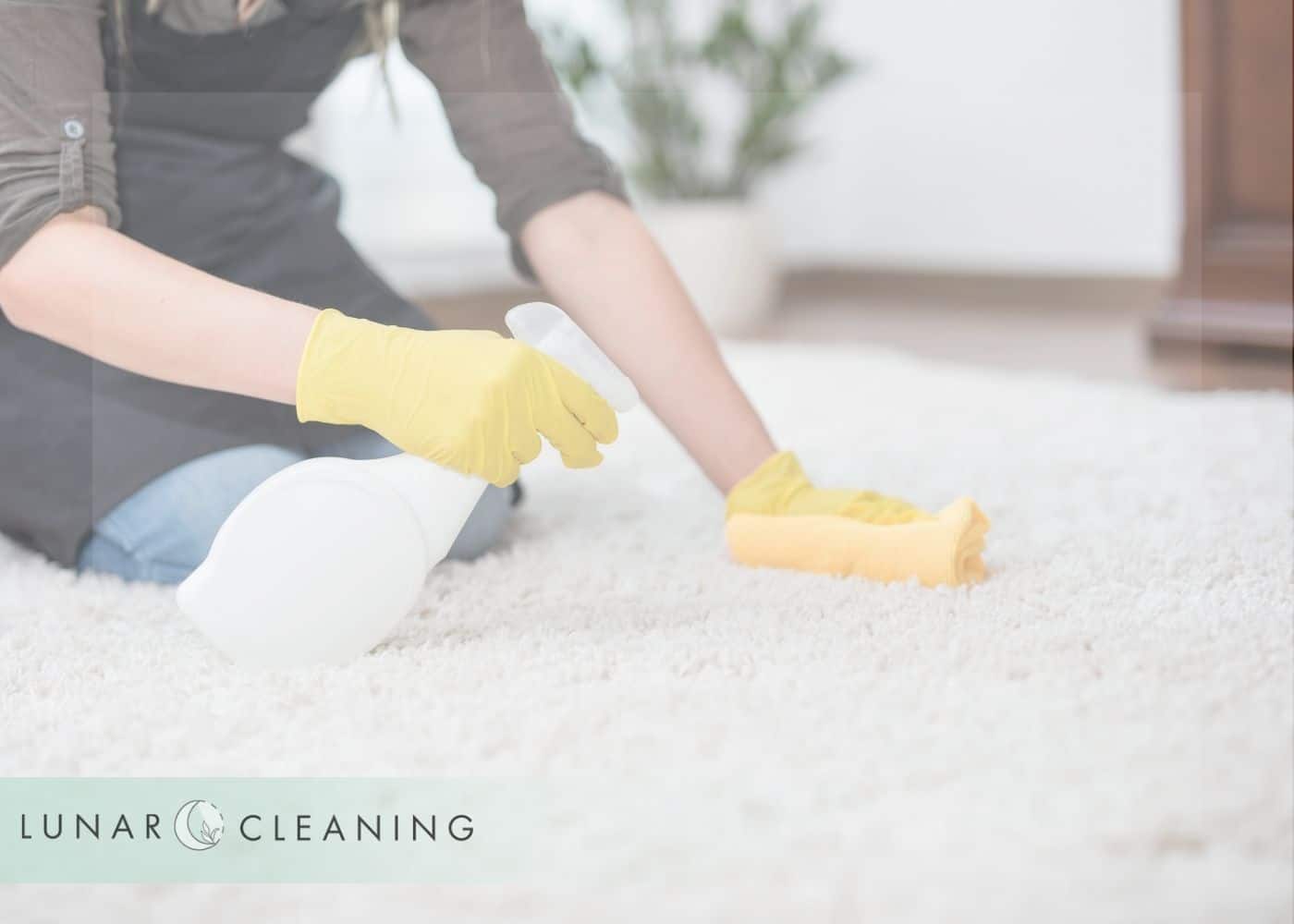
Cost, Effectiveness, and Time Investment
The comparison between DIY cleaning and professional services often hinges on cost and effectiveness.
- DIY Cleaning: While handling cleaning in-house may save costs initially, the results might not be as effective, particularly for deep cleaning. Additionally, employees may lack access to professional-grade equipment or products.
- Professional Cleaning Services: Hiring professionals entails upfront costs but typically leads to better outcomes. Professional services utilise advanced equipment and expertise to ensure a thorough and effective clean.
When to Consider Professional Help
- After major spills or heavy staining events.
- To tackle ingrained dirt removals.
- When managing large spaces with time constraints.
For instance, a professional cleaning company in Manchester reported that businesses using their services observed a 30% improvement in carpet appearance post-cleaning, leading to increased customer satisfaction and foot traffic in retail spaces.
Maintaining Carpet Quality and Life Span
Prolonging Carpet Life
Preventive measures can significantly extend the life of your commercial carpets.
Tips to Follow
- Utilise Mats and Rugs: Placing mats at entrances helps trap dirt before it enters carpeted areas. This proactive approach is crucial in high-traffic environments.
- Regular Inspections: Conduct semi-annual inspections to identify areas that may need re-stretching or repair, preventing larger issues later.
- Protective Coatings: Consider applying treatments that make carpet fibres more resistant to stains and wear.
Common Mistakes to Avoid
- Neglecting Regular Maintenance: Skipping routine vacuuming can cause long-term damage.
- Using Incorrect Cleaning Products: Harsh chemicals can harm carpet fibres and reduce their lifespan.
By adopting these practices, you can maintain the aesthetic appeal and integrity of your commercial carpets for years to come.
Actionable Tips Section
Effective Strategies for UK Commercial Spaces
Here are actionable steps you can take to ensure optimal carpet maintenance:
- Conduct a Routine Inspection:
- Schedule inspections at least twice a year.
- Check for worn or damaged fibres.
- Assess heavily trafficked areas that need special attention.
- Immediate Stain Treatment:
- Blot (don’t rub) the stain with a clean cloth and cold water.
- Apply a carpet cleaner per the product instructions.
- Rinse with water and blot until dry.
- Partner with Specialised Carpet Cleaning Companies:
- Research local companies with commercial carpet cleaning experience.
- Check for certifications and recommendations.
- Evaluate their cleaning methods and product compliance with UK regulations.
- Set Up a Cleaning Schedule:
- Determine peak and off-peak hours to plan your cleaning routine.
- Adjust the schedule based on seasonal changes and foot traffic increases.
By following these steps, businesses can create cleaner, more welcoming environments.
Conclusion
In conclusion, effective carpet cleaning strategies are vital for UK businesses seeking to maintain clean and hygienic environments. Regular carpet maintenance not only enhances aesthetics but also supports the health and well-being of employees and customers.
To summarise, understanding the importance of commercial carpet cleaning, addressing common challenges, and applying best practices are all integral components of a successful maintenance strategy. We encourage you to evaluate your current carpet cleaning approaches, ensuring your professional environment remains clean, safe, and welcoming.