


Introduction
In the realm of commercial spaces, the importance of professional carpet cleaning cannot be overstated. As facility managers, business owners, and cleaning professionals, you bear the responsibility for maintaining cleanliness and hygiene. Clean carpets not only enhance the visual appeal of your workspace but also play a crucial role in promoting a healthy environment for employees and clients alike.
Understanding the Importance of Carpet Cleaning
The Role of Carpets in Indoor Air Quality
Carpets serve as important parts of commercial settings, acting as aesthetic enhancers and functional filters. They trap dust, allergens, and pollutants, significantly impacting indoor air quality. Studies indicate that dirty carpets can harbour harmful microorganisms, leading to respiratory issues and allergies among employees and customers. Therefore, regular carpet cleaning is not merely a cosmetic concern; it is a health necessity.
Enhancing Aesthetic Appeal
First impressions matter. A clean, well-maintained carpet can elevate the overall appearance of a business space, creating a welcoming environment for clients and customers. Conversely, stained or worn carpets can detract from your brand image, leaving a negative impression of your business. Regular carpet cleaning restores vibrancy and prolongs the life of your carpets, ensuring they reflect positively on your organisation.
Preventing Wear and Extending Lifespan
Carpets endure heavy foot traffic in commercial environments, leading to significant wear and tear over time. Regular cleaning not only removes dirt and grime but also helps maintain the carpet fibres, preventing premature deterioration. By adopting a proactive approach to carpet maintenance, businesses can extend the lifespan of their carpets, ultimately leading to cost savings on replacements.
Creating a Healthier Workplace
Beyond aesthetics, clean carpets contribute to a healthier workplace. Facilities that prioritise carpet cleaning often report reduced absenteeism due to illness, as cleaner environments support better employee well-being. Furthermore, a clean workspace can boost employee morale, fostering pride and ownership in the environment they work in.
Types of Carpet Cleaning Methods
Hot Water Extraction: The Deep Clean Advantage
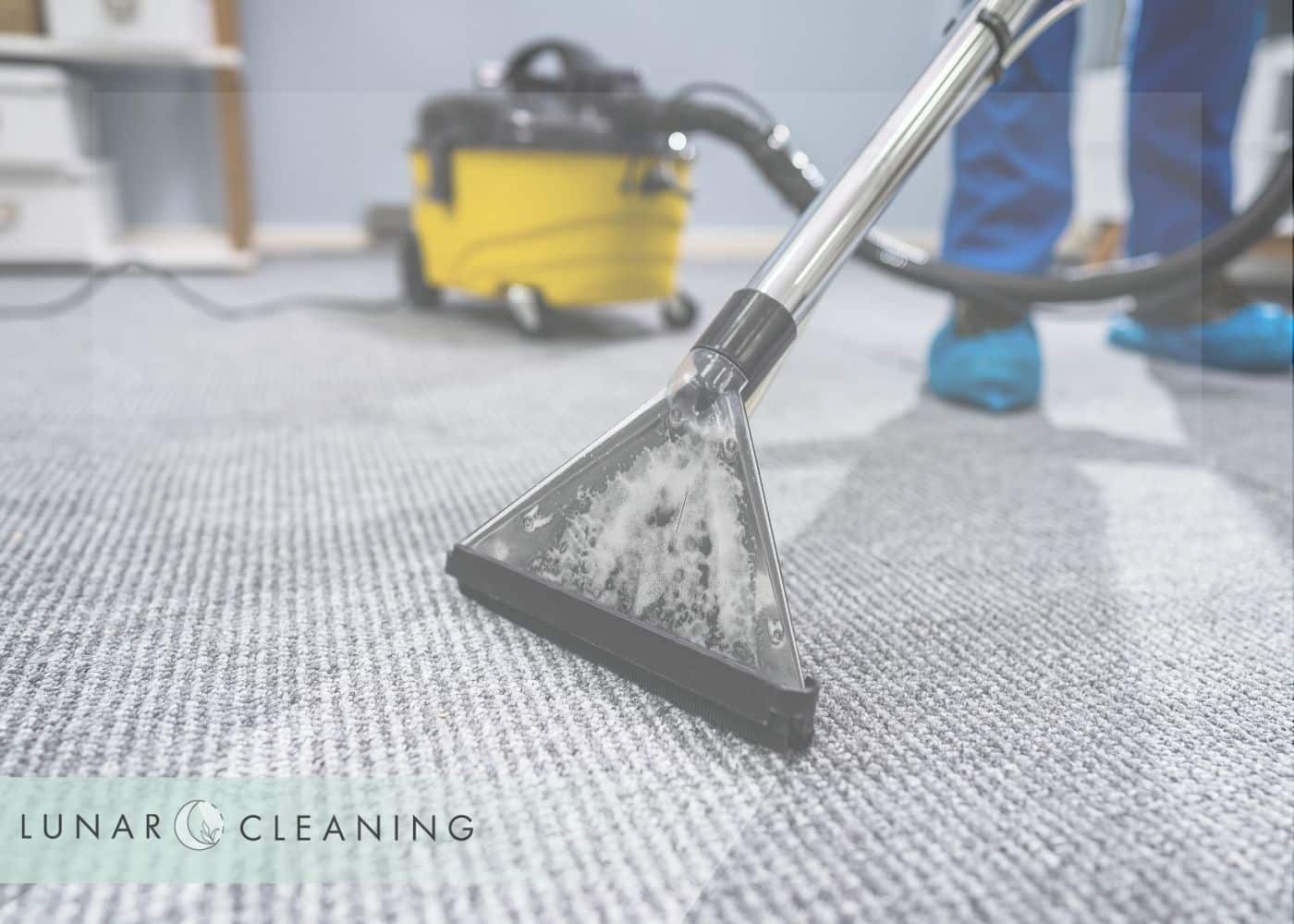
Hot water extraction, commonly known as steam cleaning, is one of the most effective methods for deep cleaning carpets. This method uses high-temperature water combined with cleaning agents to penetrate the carpet fibres and dislodge dirt, stains, and allergens.
Advantages:
- Thorough Cleaning: Hot water extraction can remove deep-seated dirt and stains, making it ideal for heavily soiled carpets.
- Sanitisation: The high temperatures used can eliminate bacteria and allergens, improving indoor air quality.
- Versatility: Suitable for a variety of carpet types, including synthetic and natural fibres.
Disadvantages:
- Long Drying Time: Carpets may take several hours to dry, which can be inconvenient for busy commercial spaces.
- Equipment Cost: Professional-grade steam cleaning equipment can be expensive, requiring an upfront investment.
Dry Cleaning: Quick and Efficient
Dry cleaning is a carpet cleaning method that uses minimal moisture. Dry cleaning compounds, often in powder form, are applied to the carpet and worked into the fibres using a brush. The compounds absorb dirt and are then vacuumed away.
Advantages:
- Fast Drying Time: Since minimal moisture is used, carpets dry quickly, allowing for immediate use.
- Easy to Implement: This method requires less equipment and can often be performed by in-house cleaning staff.
Disadvantages:
- Surface Cleaning: While effective for light soiling, dry cleaning may not address deeply embedded dirt and stains.
- Chemical Residues: Some dry cleaning agents can leave residues that may irritate sensitive individuals.
Encapsulation: The Modern Approach
Encapsulation involves applying a cleaning solution that crystallises dirt into a powder as it dries. Once dry, the powder can be vacuumed away, leaving the carpet clean.
Advantages:
- Low Moisture Usage: Reduces the risk of mould and mildew by using less water.
- Quick Drying: Carpets can be used shortly after cleaning, making it ideal for busy businesses.
Disadvantages:
- Requires Regular Maintenance: Encapsulation may need to be repeated more frequently than other methods to maintain cleanliness.
- Less Suitable for Heavily Soiled Carpets: While effective for routine cleaning, it may not suffice for deep cleaning needs.
Bonnet Cleaning: Surface-Level Refresh
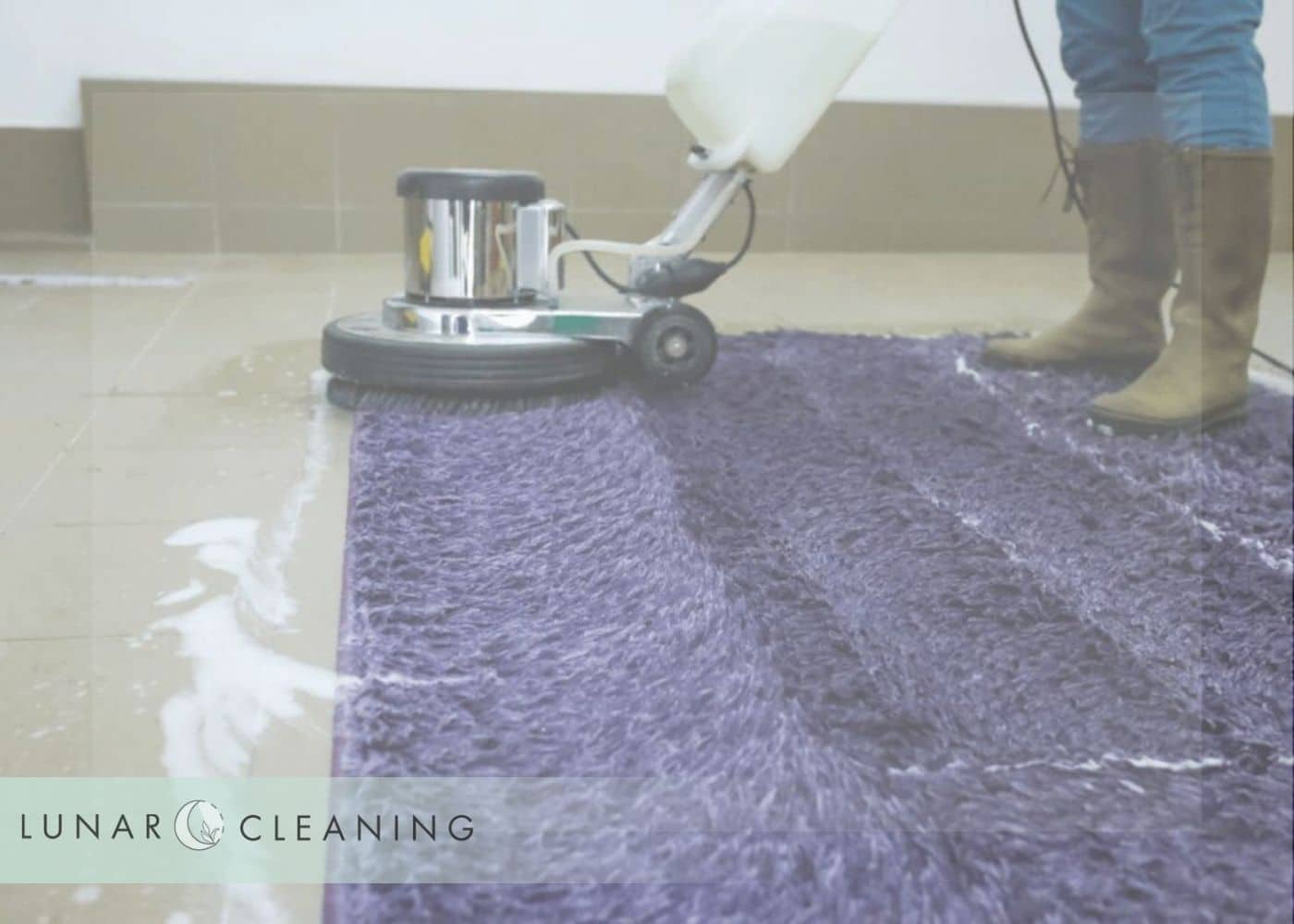
Bonnet cleaning involves using a rotary machine with a cleaning pad soaked in a cleaning solution. The machine scrubs the carpet surface, removing dirt and stains.
Advantages:
- Quick Process: This method can be completed relatively quickly, making it suitable for large areas.
- Immediate Results: Provides visible cleaning results almost instantly.
Disadvantages:
- Not Deep Cleaning: It primarily addresses surface dirt and may not be effective for deep stains or allergens.
- Potential for Residue: If not rinsed properly, cleaning agents can be left behind, attracting more dirt over time.
Choosing the Right Method
The choice of cleaning method should depend on several factors:
- Type of Carpet: Natural fibres may require gentler methods, while synthetic carpets can withstand more aggressive cleaning techniques.
- Level of Soiling: Heavily soiled carpets may require more intensive methods like hot water extraction.
- Business Operations: Consider the operational needs of your business; quick-drying methods may be preferable in high-traffic areas.
Choosing the Right Products and Equipment
Selecting Cleaning Agents
The effectiveness of carpet cleaning is heavily influenced by the cleaning products used. It is crucial to choose products that are both effective and safe for carpets and the environment.
Types of Cleaning Agents:
- Eco-Friendly Products: Many manufacturers now offer biodegradable and non-toxic cleaning solutions that are safer for users and the environment. These products can effectively clean carpets without harmful chemical residues.
- Stain Removers: Specific stain removal products are designed for different types of stains (e.g., grease, red wine). Knowing which product to use for specific stains can improve cleaning outcomes.
- pH-Balanced Cleaners: Cleaning agents with a neutral pH are less likely to damage the carpet fibres, making them ideal for regular maintenance.
Essential Equipment for Commercial Carpet Cleaning
Investing in the right equipment can significantly enhance the efficiency and effectiveness of carpet cleaning. Here are some essential tools for commercial carpet cleaning:
- Vacuum Cleaners: A high-quality vacuum is essential for regular maintenance. Look for models with strong suction and HEPA filters to trap allergens.
- Carpet Extractors: These machines are essential for deep cleaning, especially for methods like hot water extraction. They should have adjustable settings for various carpet types.
- Rotary Machines: Used for bonnet cleaning and encapsulation, these machines can effectively agitate carpets to dislodge dirt.
- Spot Cleaners: These portable machines are ideal for tackling stains quickly and efficiently, providing a convenient solution for immediate cleaning needs.
The Importance of Training Staff on Products and Equipment
Proper training on the use of cleaning products and equipment can significantly impact the success of your carpet cleaning efforts. Staff should be educated on:
- Correct Usage: Understanding how to use each piece of equipment and product correctly can prevent accidents and ensure optimal cleaning results.
- Maintenance: Regular maintenance of cleaning equipment ensures longevity and reliability.
- Safety Protocols: Staff should be trained to follow safety protocols when handling chemicals and machinery.
Scheduling and Frequency of Cleaning
Establishing a Cleaning Schedule
Creating a cleaning schedule tailored to your commercial space’s specific needs is vital. Factors influencing cleaning frequency include:
- Foot Traffic: High-traffic areas will require more frequent cleaning to prevent dirt buildup.
- Type of Business: Businesses with more stringent hygiene requirements, such as healthcare facilities, may need more regular cleaning.
- Presence of Pets or Allergens: Facilities with pets or known allergens should have cleaning schedules that reflect these considerations.
Assessing Carpet Condition
Regular assessments of carpet condition can help determine when professional cleaning is necessary. Key signs include:
- Visible Dirt and Stains: If carpets appear dirty or stained, it’s time for professional cleaning.
- Odours: Unpleasant smells can indicate trapped dirt and bacteria, necessitating immediate cleaning.
- Allergy Symptoms: If employees are experiencing allergy symptoms, it may be time to check the carpets for allergens.
Creating a Long-term Maintenance Plan
A long-term maintenance plan should encompass:
- Regular Professional Cleanings: Depending on the factors mentioned, schedule professional cleanings at least twice a year, or more frequently for high-traffic areas.
- Routine Vacuuming: Ensure that staff understands the importance of daily or weekly vacuuming to maintain carpet cleanliness between professional cleanings.
- Spot Cleaning Protocols: Train staff to handle minor stains and spills promptly to prevent them from becoming permanent.
Training and Certification for Cleaning Professionals
The Value of Training
Investing in staff training is crucial for achieving high standards in carpet cleaning. Well-trained professionals can:
- Understand Techniques: Knowing the appropriate cleaning techniques for different carpet types can significantly enhance outcomes.
- Handle Equipment Properly: Proper training on equipment use and maintenance can reduce accidents and improve efficiency.
- Stay Updated on Innovations: Continuous training helps staff stay informed about new products, techniques, and best practices in the industry.
Certification and Professional Development
Encouraging staff to obtain certification in cleaning processes can provide numerous benefits:
- Industry Standards: Certified professionals are likely to adhere to industry standards, ensuring quality cleaning.
- Increased Confidence: Training cultivates confidence in staff, improving their performance and job satisfaction.
- Enhanced Reputation: A team of certified professionals can enhance your business’s reputation, attracting more clients.
Ongoing Training Opportunities
Consider implementing ongoing training programs that cover:
- New Technologies: Keeping staff updated on the latest cleaning technologies and techniques.
- Health and Safety Protocols: Regular training on health and safety practices to ensure compliance and protect staff and clients.
- Customer Service Skills: Training on customer service can help staff communicate effectively with clients and respond to their needs.
Health and Safety Considerations
Protecting Staff and Clients
Health and safety should be a top priority in commercial carpet cleaning. Key considerations include:
- Personal Protective Equipment (PPE): Staff should wear appropriate PPE, such as gloves and masks, especially when handling chemicals or working in confined spaces.
- Ventilation: Ensure adequate ventilation during cleaning processes, particularly when using chemical cleaning agents, to minimise exposure to fumes.
Chemical Safety Protocols
When using chemical cleaning agents, it is vital to follow safety protocols:
- Read Labels: Always read product labels and adhere to safety instructions.
- Proper Storage: Store chemicals in a secure location, away from children and pets, following manufacturer guidelines.
- Emergency Procedures: Staff should be trained on emergency procedures in case of spills or exposure to harmful substances.
Promoting a Safe Environment
By prioritising health and safety, businesses can create a safe environment for both staff and clients. This not only protects individuals but also enhances the overall reputation of the business. A commitment to safety can serve as a competitive advantage, as clients are more likely to choose a business that values their well-being.
Conclusion
In conclusion, adopting best practices for professional commercial carpet cleaning is essential for maintaining a clean, healthy, and welcoming environment in any business setting. Regular cleaning enhances appearance and contributes to improved indoor air quality and employee morale. By understanding the importance of carpet cleaning, utilising the right methods and products, scheduling regular maintenance, and prioritising staff training and safety, facility managers and cleaning professionals can ensure carpets remain in excellent condition for years to come.
Investing in professional carpet cleaning services is an investment in the health and image of your business. By implementing the strategies outlined in this guide, you can create a cleaner, more inviting workplace for everyone, ultimately leading to greater success in your commercial endeavours.