



Introduction
In the realm of hygiene management, especially amidst the heightened awareness of cleanliness due to recent health crises, the concept of high-touch areas has gained paramount importance. These are specific surfaces and objects that are frequently touched by multiple individuals, thereby posing a higher risk of germ transmission. Understanding high-touch areas is crucial for developing effective cleaning protocols that ensure the safety and well-being of employees, customers, and the general public.
High-touch areas can be found in various environments including offices, healthcare settings, and public spaces. By identifying these areas and implementing rigorous cleaning practices, businesses can mitigate the risk of infections and maintain high hygiene standards. This blog aims to delve into the significance of high-touch areas, outline best practices for cleaning, and provide actionable insights that cleaning professionals and businesses can adopt.
Defining High-Touch Areas: What You Need to Know
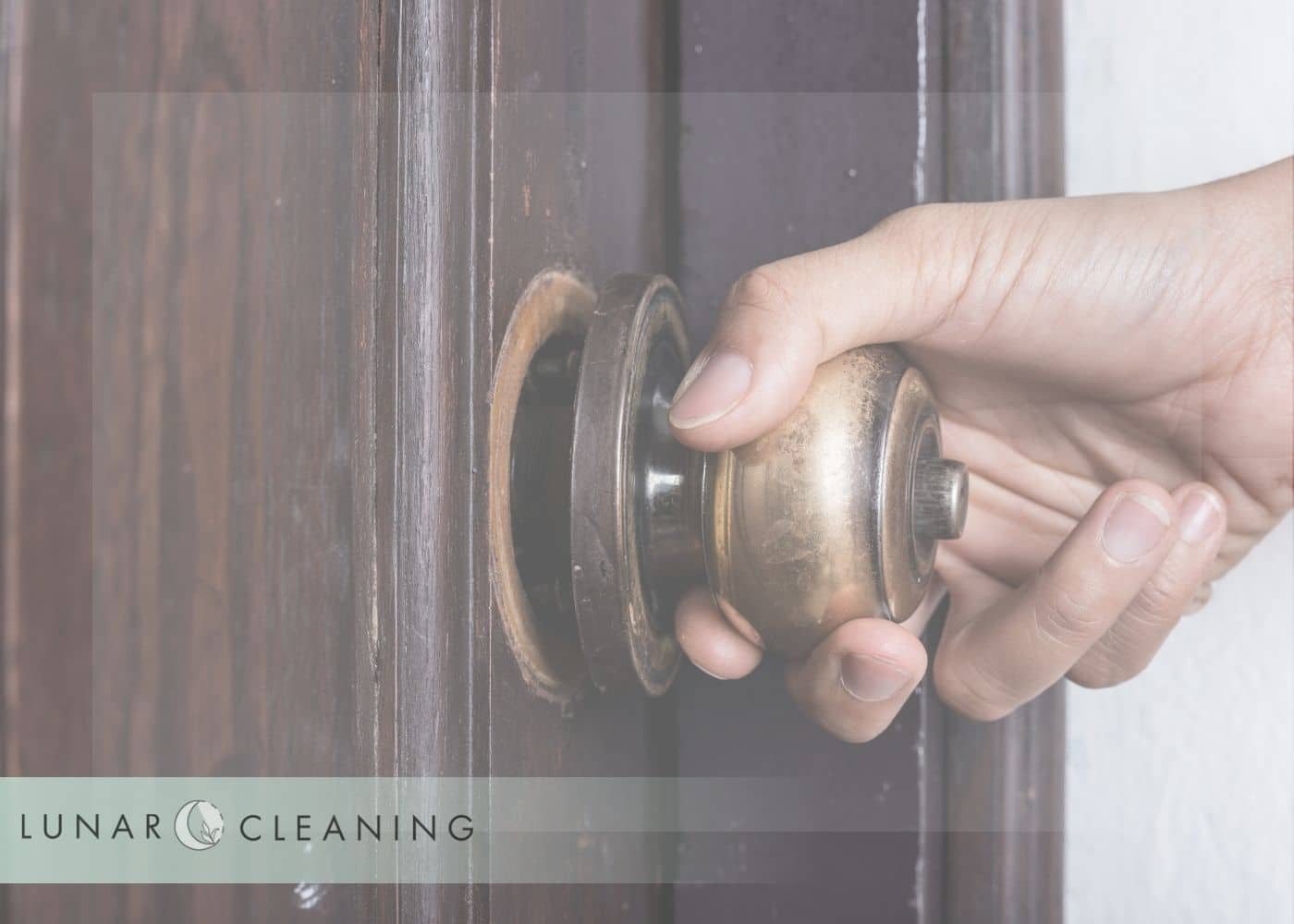
High-touch areas are defined as surfaces or objects that are frequently contacted by hands, leading to increased potential for contamination. Examples include doorknobs, light switches, handrails, and shared equipment. The identification of these areas is critical in forming effective cleaning protocols, as they are often hotspots for the spread of germs and viruses.
In a workplace setting, high-touch areas may include:
- Desks and workstations
- Shared office equipment (printers, copiers)
- Kitchen appliances (microwave, fridge handles)
- Bathroom fixtures (faucets, toilet handles)
In healthcare facilities, the stakes are even higher. High-touch areas include:
- Bed rails
- Medical equipment (stethoscopes, blood pressure cuffs)
- Waiting room chairs
Recognising these high-touch areas allows cleaning professionals to tailor their cleaning protocols, focusing on frequent cleaning and effective disinfection practices. This targeted approach not only enhances the hygiene management of a facility but also builds trust among employees and customers.
Common High-Touch Areas in Various Settings
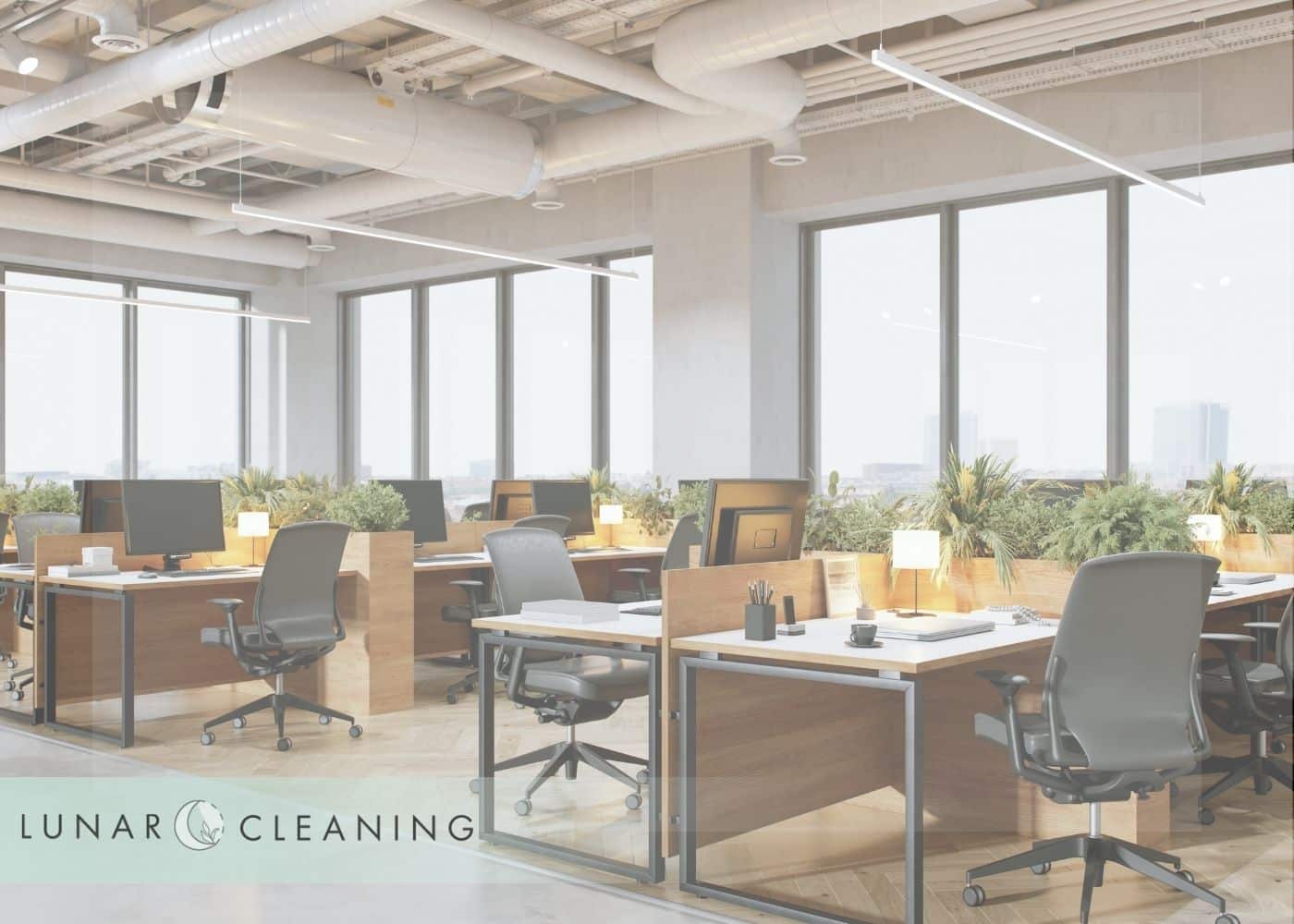
Office Spaces
In office environments, maintaining hygiene is crucial for employee health and productivity. Some of the most common high-touch areas include:
- Desks and Workstations: Employees often share desks or work areas, making them prime candidates for germ transfer. Regularly disinfecting surfaces, including keyboards and mice, is essential.
- Doorknobs and Handles: Entry points to offices and meeting rooms are frequently touched. These should be disinfected multiple times a day, especially in high-traffic areas.
- Shared Equipment: Printers, copiers, and other office machines are used by multiple individuals. Establishing a cleaning routine for these devices can significantly reduce the spread of germs.
Healthcare Facilities
Healthcare settings face unique challenges due to the presence of vulnerable populations. Key high-touch areas include:
- Bed Rails: These are often touched by patients and staff alike. Regular cleaning is vital to prevent hospital-acquired infections (HAIs).
- Medical Equipment: Instruments that are used in patient care must be sanitised after each use to eliminate the risk of cross-contamination.
- Waiting Room Chairs: As these are frequently occupied, they should be cleaned and disinfected regularly to ensure the safety of patients visiting the facility.
Public Spaces
Public spaces such as shopping centres and transport hubs are rife with high-touch areas, including:
- Escalator Handrails: These are continuously in contact with people. A robust cleaning schedule is necessary to keep them free from germs.
- Public Transport Handles: Buses and trains have numerous high-touch surfaces that require regular disinfection to protect commuters.
- ATM Machines: Users often forget about the germs on these surfaces, making it essential for cleaning teams to implement strict cleaning protocols.
The Importance of Cleaning High-Touch Areas
The significance of focusing on high-touch areas cannot be overstated. Studies have shown that these surfaces can host a multitude of pathogens, which can be easily transferred to individuals. For instance, a study published by the Journal of Clinical Microbiology found that more than 80% of infections are transmitted via surface contact. This highlights the critical need for frequent cleaning in high-touch areas.
Moreover, the World Health Organisation (WHO) emphasises that proper cleaning and disinfection practices can significantly reduce the incidence of infections in healthcare and community settings. By prioritising high-touch areas in cleaning protocols, organisations can not only protect their employees and clients but also contribute to the overall public health efforts.
Best Practices for Cleaning High-Touch Areas
Implementing effective cleaning protocols for high-touch areas involves several best practices:
Types of Cleaning Products to Use
Selecting the right cleaning products is fundamental to effective hygiene management. The following categories should be considered:
- Disinfectants: Use products that are effective against a broad spectrum of pathogens, including bacteria and viruses. Look for those that meet UK regulatory standards, such as the Biocidal Products Regulation (BPR).
- Surface Sanitisers: These are essential for areas that require lower-level disinfection, such as desks and kitchen counters.
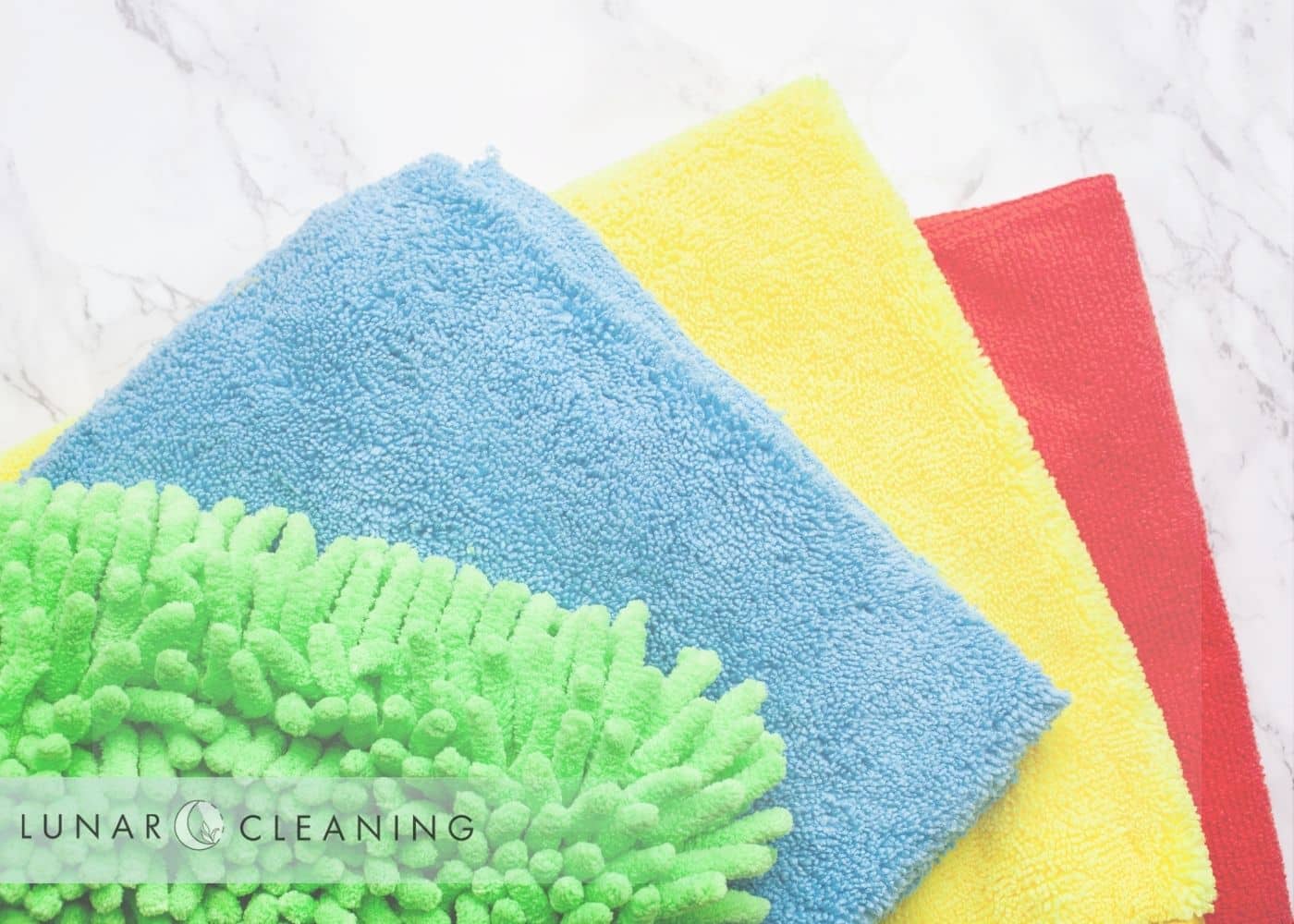
- Microfibre Cloths: Using microfibre cloths for cleaning can trap more dirt and germs compared to traditional cloths, resulting in superior surface sanitisation.
Recommended Cleaning Frequency
The frequency of cleaning high-touch areas depends on the environment:
- Office Spaces: High-touch areas should be cleaned at least once a day, with more frequent cleaning during peak usage times.
- Healthcare Facilities: Areas such as patient rooms and waiting areas should be cleaned multiple times a day, especially between patient visits.
- Public Spaces: High-traffic areas should be cleaned regularly, ideally every few hours, to minimise the risk of germ transmission.
Techniques for Effective Disinfection
To achieve optimal results, follow these techniques:
- Pre-Cleaning: Remove visible dirt and debris before applying disinfectants. This step is crucial for ensuring that disinfectants can effectively kill pathogens.
- Contact Time: Allow disinfectants to remain on surfaces for the recommended contact time as specified by the manufacturer to ensure effectiveness.
- Proper Application: Use spray bottles or pumps to evenly distribute disinfectants over surfaces. Avoid excessive application, which can lead to waste and potentially harmful residue.
UK-Specific Regulations and Guidelines
Cleaning professionals should stay informed about UK-specific regulations and guidelines, such as those issued by the Health and Safety Executive (HSE) and the Department of Health. These guidelines provide valuable information on the types of cleaning agents to use, safety protocols, and best practices for maintaining hygiene in various settings.
Challenges in Maintaining Hygiene in High-Touch Areas
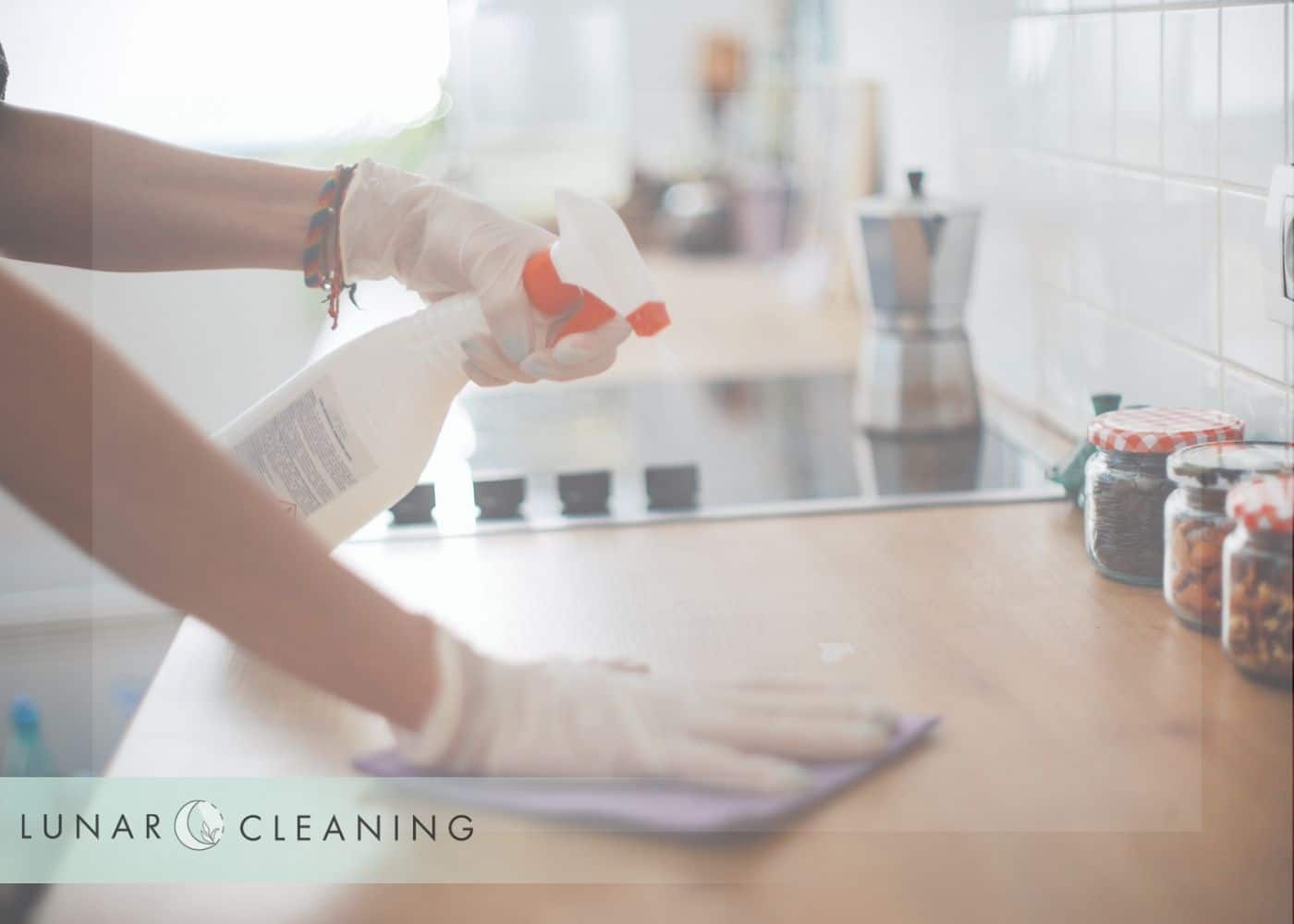
Despite the best intentions, cleaning professionals often face challenges in maintaining hygiene in high-touch areas. Some common challenges include:
High Traffic
High-touch areas in busy environments can quickly become contaminated again after cleaning. This necessitates a robust cleaning schedule and possibly the use of signage to remind employees and visitors of hygiene practices.
Material Limitations
Certain materials may not withstand frequent cleaning or harsh disinfectants. For example, wooden surfaces may require special care to avoid damage. It’s essential to identify materials and select appropriate cleaning methods that ensure both cleanliness and material longevity.
Staff Training
Proper training for cleaning staff is vital. Without adequate knowledge of effective cleaning protocols, even the best products can be rendered ineffective. Ongoing training sessions can empower staff with the skills they need to maintain hygiene effectively.
Solutions to Overcome Challenges
- Implementing a Cleaning Schedule: Establishing a cleaning schedule that accounts for high-traffic periods can help maintain hygiene in these areas.
- Using Protective Coatings: Consider using antimicrobial coatings on high-touch surfaces to provide an additional layer of protection against germs.
- Staff Training Programs: Regular training sessions can keep cleaning staff up to date on best practices and product knowledge.
Actionable Tips for Maintaining High-Touch Areas
Maintaining cleanliness in high-touch areas requires diligence and strategy. Here are some clear, step-by-step strategies:
- Create a Cleaning Checklist:
- Develop a checklist of high-touch areas that need attention daily.
- Include specifics like the type of disinfectant used and the frequency of cleaning.
- Train Staff on Proper Techniques:
- Conduct training sessions to teach staff about effective cleaning techniques and the importance of high-touch areas.
- Use Colour-Coded Cloths:
- Implement a colour-coding system for cleaning cloths to prevent cross-contamination. For instance, use red cloths for bathrooms and blue for office areas.
- Incorporate Signage:
- Place signs in strategic locations to remind employees and visitors to wash hands frequently and to be mindful of hygiene.
- Monitor and Adjust Protocols:
- Regularly review your cleaning protocols to ensure they are effective. Gather feedback from staff to identify any areas for improvement.
- Utilise Technology:
- Consider using technology, such as UV-C light sanitisation, for high-touch areas that are difficult to clean manually.
Conclusion
In conclusion, understanding and maintaining high-touch areas is crucial for effective hygiene management in any environment. By recognising the importance of these areas and implementing robust cleaning protocols, businesses and cleaning professionals can significantly reduce the risk of germ transmission.
As the world continues to navigate health challenges, prioritising hygiene in high-touch areas becomes more essential than ever. We encourage all readers, from business owners to cleaning staff, to adopt the guidelines outlined in this blog. By doing so, you contribute to a cleaner, safer environment for everyone. Start implementing these essential cleaning protocols in your spaces today!