


In today’s fast-paced world, keeping a clean and healthy living environment is vital for individuals and families alike. Understanding the differences between deep cleaning and regular cleaning can significantly improve your home maintenance routines. While regular cleaning focuses on ongoing upkeep, deep cleaning dives into a thorough, often overlooked, cleaning process aimed at creating a hygienically clean space.
Understanding Regular Cleaning
Definition of Regular Cleaning
Regular cleaning is the routine maintenance necessary to ensure your home stays tidy and presentable. This process typically involves daily, weekly, and monthly tasks designed to prevent dirt accumulation and keep your home visually appealing. Common regular cleaning tasks may include:
- Dusting surfaces: Removing dust from furniture, shelves, and decorative items.
- Vacuuming or sweeping floors: Keeping floor surfaces free from crumbs, pet hair, and other debris.
- Mopping: Using suitable cleaning solutions to maintain hard floor surfaces.
- Cleaning bathrooms: Routine sanitisation of sinks, toilets, and showers to prevent grime build-up.
- Kitchen maintenance: Wiping down countertops, ensuring dishes are washed and stored properly.
Importance of Regular Cleaning
The significance of regular cleaning should not be underestimated. A consistent cleaning schedule allows you to maintain a clean and welcoming environment while preventing larger cleaning tasks from piling up. The benefits of regular cleaning include:
- Enhanced aesthetic appeal: A tidy home creates a positive atmosphere for you and your guests.
- Prevention of dirt accumulation: Regular tasks help control the build-up of dust and allergens, making it easier to maintain a hygienic living space.
- Reduced cleaning effort: Performing tasks regularly diminishes the need for intensive cleaning, making life significantly easier.
Cleaning Schedules
To ensure effective regular cleaning, establishing a structured cleaning schedule can be immensely helpful. Common schedules include:
- Daily Tasks: Quick tasks such as making beds, washing dishes, and tidying common areas.
- Weekly Tasks: More involved chores like vacuuming, dusting, and sanitising bathrooms.
- Monthly Tasks: Deep-cleaning specific areas like kitchen appliances, curtains, and beneath furniture.
Implementing a structured schedule will help you manage household cleanliness, freeing up time for other activities and reducing overall stress.
The Concept of Deep Cleaning
Defining Deep Cleaning
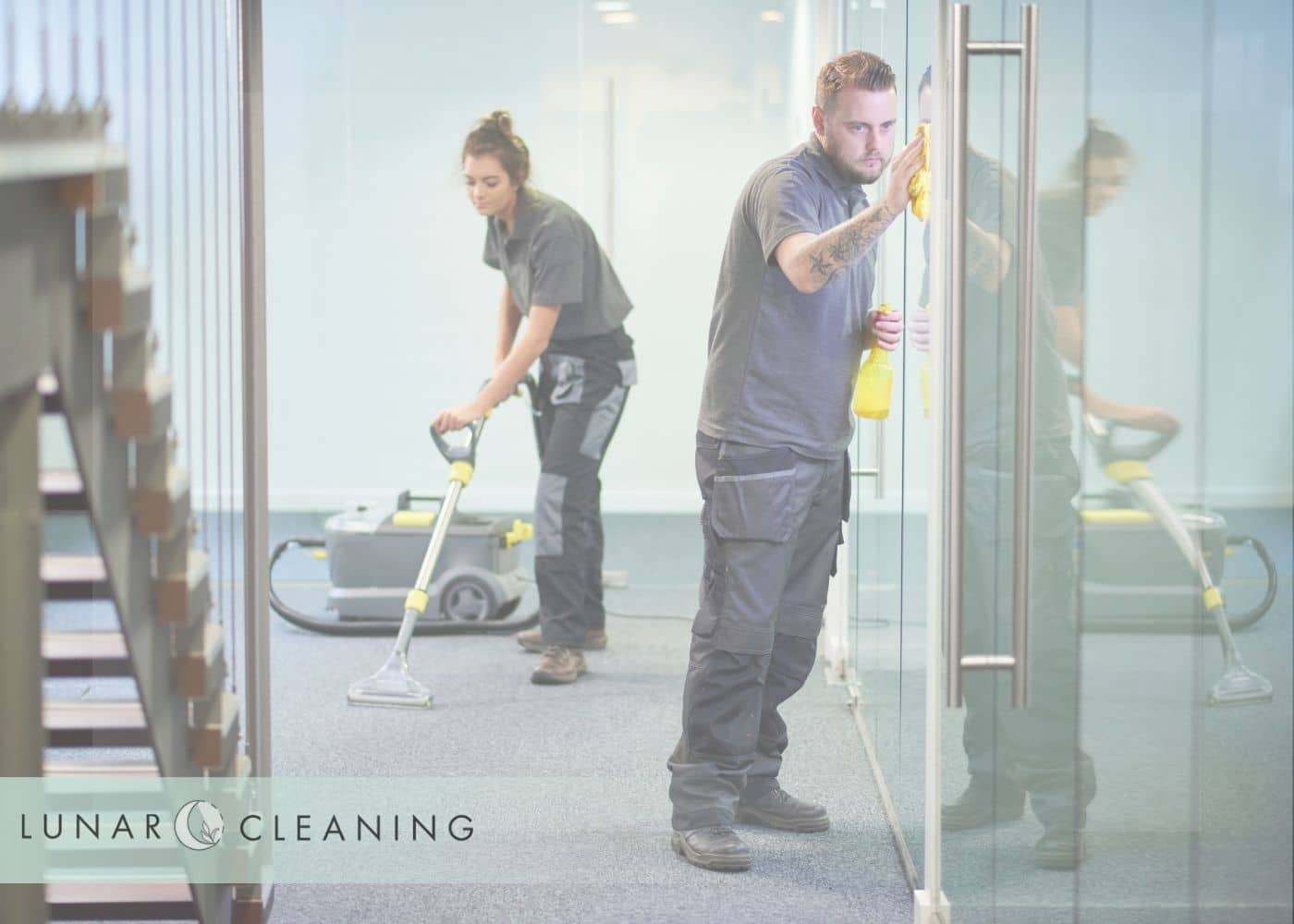
Deep cleaning goes beyond the surface-level tasks associated with regular cleaning. It involves a comprehensive approach to sanitisation, targeting hidden areas that are often neglected. This includes cleaning hard-to-reach corners, upholstered furniture, and beneath appliances. Specific areas typically included in deep cleaning are:
- Carpets and rugs: Using steam cleaning or shampooing methods to eliminate trapped dirt and allergens.
- Upholstery: Thoroughly cleaning furniture fabrics to remove stains and allergens.
- Windows and screens: Ensuring that all surfaces, including window frames, are free from dirt and grime.
- Behind major appliances: Cleaning beneath refrigerators, ovens, and washing machines to remove built-up dust and debris.
The Importance of Deep Cleaning
Deep cleaning is important for multiple reasons:
- Hygiene: It removes allergens such as dust mites, pet dander, and mould, enhancing indoor air quality.
- Prevention of pest infestations: Regular deep cleaning reduces the risk of attracting harmful pests like rodents and insects.
- Preservation of property: Regularly deep-cleaning furniture and other items extends their lifespan, saving on replacement costs.
Recommended Frequency
Deep cleaning is typically recommended at least once or twice a year, depending on lifestyle, the presence of pets, or allergies. Integrating deep cleaning into your schedule ensures that accumulated dirt, grime, and allergens do not thrive.
Key Differences Between Deep Cleaning and Regular Cleaning
Comparison of Cleanings
Distinguishing between deep cleaning and regular cleaning is essential for developing an effective cleaning strategy. Below are key differences:
- Frequency: Regular cleaning is performed consistently—daily, weekly, or monthly, while deep cleaning is conducted less frequently, often once or twice a year.
- Intensity: Regular cleaning involves light tasks that maintain the home’s appearance, whereas deep cleaning focuses on a thorough cleanse that penetrates beneath the surface.
- Scope: Regular cleaning covers visible areas and basic tasks, while deep cleaning encompasses hidden spaces, requiring detailed attention to every part of the area.
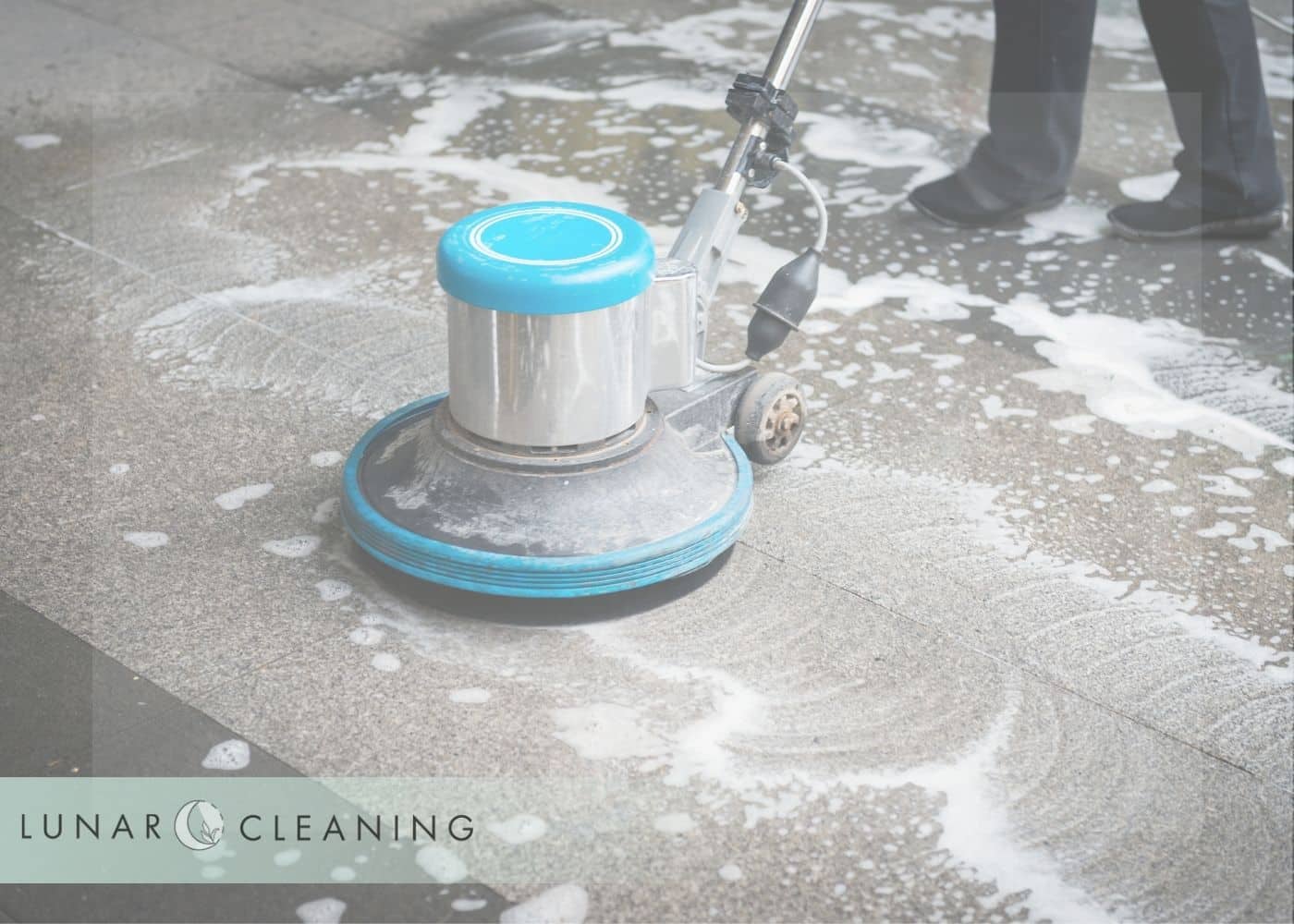
- Tools and Equipment Required: Regular cleaning often uses a broom, mop, vacuum cleaner, and standard cleaning supplies. In contrast, deep cleaning may require specialised equipment like carpet cleaners and heavy-duty solutions for tough stains.
- Time Commitment: Regular cleaning generally requires less time, ranging from 30 minutes to a few hours. Deep cleaning, however, can take several hours to a couple of days, depending on the home’s size and the cleaning tasks involved.
- Impact on the Living Environment: While regular cleaning primarily maintains an aesthetically pleasing space, deep cleaning aims to create a hygienically clean environment by eradicating hidden contaminants and allergens.
Health Benefits of Both Cleaning Methods
The Health Advantages of Regular Cleaning
Regular cleaning offers numerous health benefits that contribute to a healthier indoor environment:
- Allergen Reduction: Dust, pollen, and pet dander can trigger allergies. Regular cleaning removes these triggers, promoting better respiratory health.
- Bacterial Control: Routine sanitisation of high-touch surfaces helps reduce the spread of harmful bacteria and viruses, protecting you and your family from illness.
- Mental Wellbeing: A tidy environment fosters a sense of calm, reducing stress and positively affecting mental health.
The Health Advantages of Deep Cleaning
Deep cleaning significantly contributes to health as well:
- Comprehensive Allergen Removal: It captures hidden allergens that regular cleaning might miss, leading to improved air quality and respiratory well-being.
- Pest Prevention: Regular deep cleaning diminishes the likelihood of decay or waste accumulation, deterring pests.
- Reduction of Mould Growth: Cleaning often neglected areas reduces moisture build-up, preventing mould and mildew, which can have serious health implications.
Conclusion
In summary, understanding the differences between deep cleaning and regular cleaning is essential for effective home maintenance. Regular cleaning serves as the foundation for maintaining a tidy, welcoming environment, while deep cleaning goes further to create a comprehensively hygienic space.
Both methods offer unique health benefits, and recognising their importance allows individuals and families to effectively enhance their cleaning routines. A balanced approach that integrates both deep cleaning and regular cleaning will promote a visually appealing home and contribute to better health for all inhabitants.
Take a moment to assess your current cleaning habits. Consider how implementing a mix of both methods could positively transform your living space and overall well-being. A clean home is a happy home, and understanding these cleaning practices is the first step toward achieving that.