



Introduction
In today’s world, the need for sustainable practices is urgent. Among various approaches to integrating sustainability into our daily routines, green cleaning has become a prominent focus. It appeals to homeowners, professional cleaners, and environmentally-conscious individuals alike.
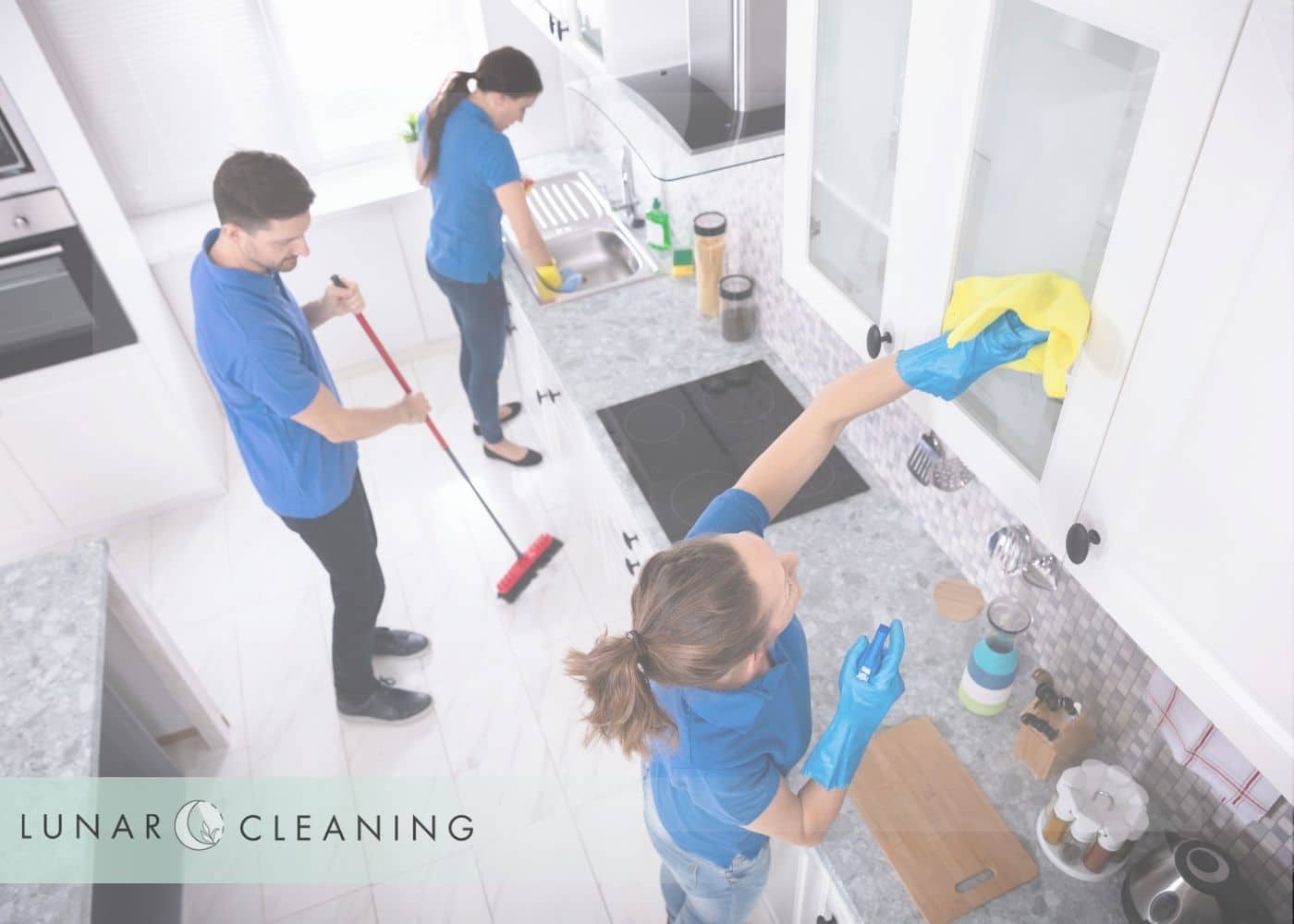
Green cleaning refers to eco-friendly cleaning methods that utilise non-toxic and biodegradable products, delivering the dual benefits of maintaining cleanliness while safeguarding both human health and the planet. With increased awareness of the adverse effects stemming from traditional cleaning methods, often laden with harmful chemicals, there is a growing demand for more sustainable alternatives.
Defining Green Cleaning
Understanding Green Cleaning
Green cleaning goes beyond merely using eco-friendly products; it represents an integrated approach that combines product selection, waste management, and cleaning methods designed to reduce the ecological footprint. Sustainable cleaning practices promote the use of biodegradable, non-toxic products that are free from harmful chemicals. But what do these terms signify in practical situations?
Biodegradable Products: These substances break down naturally without leaving harmful residues in the environment. Unlike conventional cleaners containing synthetic compounds, biodegradable options decompose quickly, thereby reducing landfill waste.
Non-Toxic Cleaners: These products do not emit harmful fumes or harsh chemicals, ensuring safer usage for humans and pets. Labels indicating “non-toxic” signify that the product has undergone testing to confirm its safety for health.
Principles Underlying Sustainable Cleaning Practices
The principles governing green cleaning align closely with ethical and sustainable practices, such as:
- Resource Conservation: Utilizing fewer harmful chemicals and opting for renewable resources.
- Waste Minimisation: Encouraging the use of reusable materials and reducing disposable items like paper towels.
- Energy Efficiency: Implementing methods and tools that consume less energy for cleaning tasks.
Environmental Impact of Conventional Versus Green Alternatives
Traditional cleaning methods often rely on harsh chemicals like ammonia, chlorine bleach, and phthalates. These substances contribute to air and water pollution through chemical runoff. In contrast, green alternatives aim to significantly minimise these negative effects. For example, replacing ammonia-based cleaners with those containing natural vinegar or lemon juice not only cleans effectively but also contributes to a reduction in indoor air pollution.
To ensure safety and eco-friendliness, seek products verified by recognised certifications such as EcoLabel, Green Seal, or the USDA Organic label; these indicators confirm that the product meets stringent environmental standards.
Health Benefits of Green Cleaning
A Healthier Indoor Environment
The primary concern surrounding traditional cleaning products is their negative impact on health. Common toxic ingredients can lead to respiratory issues, skin irritations, and long-term health problems. The Centers for Disease Control (CDC) and other health organisations indicate that poor indoor air quality, often exacerbated by chemical cleaning agents, contributes to various health problems, including asthma and allergies.
Switching to eco-friendly products provides numerous advantages for human health:
- Reduction in Harmful Chemicals: Green cleaning products are typically free from carcinogens and endocrine disruptors, making them safer, especially in spaces frequented by children and pets.
- Improved Indoor Air Quality: The use of natural ingredients reduces volatile organic compounds (VOCs) contributing to a fresher, healthier environment.
- Less Irritation of Skin and Eyes: Many eco-friendly cleaning solutions are gentle and non-irritating, making them ideal for households with sensitive individuals.
The Broader Implications on Well-Being
The positive effects of green cleaning extend beyond physical health, as cleaner indoor environments foster enhanced mental well-being. Research conducted at the University of California, Berkeley, indicates that environments free from toxic chemicals can improve cognitive function and productivity. For professionals, this translates to healthier workspaces that enhance performance and job satisfaction.
Environmental Impact of Cleaning
Assessing the Consequences of Traditional Cleaning Methods
The environmental effects of conventional cleaning practices are significant. Harmful synthetic chemicals lead to:
- Chemical Runoff: When these products are washed down drains, they contaminate waterways and harm marine life.
- Water Pollution: Many of these chemicals are not easily filtered out in wastewater treatment processes, resulting in pollution of rivers, lakes, and oceans.
The Green Cleaning Revolution
Green cleaning includes sustainable methods and products aimed at mitigating these adverse effects. By prioritising biodegradable products and responsible waste disposal methods, we can significantly lower our ecological footprint.
- Biodegradable Products: Unlike chemical-laden cleaners, biodegradable options break down into harmless components, thus reducing landfill waste and water pollution.
- Conservation of Resources: Sustainable cleaning practices often emphasise minimal packaging or refill options, which significantly reduces plastic waste.
- Community Impact: Adopting green cleaning in communities fosters a shared responsibility for environmental stewardship. Educational initiatives can empower individuals and organisations to adopt greener methods, creating a culture of sustainability.
The Broader Ecological Significance
Transitioning to green cleaning yields long-term benefits for ecosystems. By reducing pollution resulting from chemical cleaners, we support biodiversity, promote healthier habitats, and contribute to climate change mitigation. Small individual or corporate changes can accumulate; a collective movement toward sustainability can yield considerable positive ecological outcomes.
Green Cleaning Methods
Practical Approaches to Green Cleaning
Numerous methods can be implemented in both residential and commercial settings effectively for green cleaning. Popular approaches include:
- Natural Ingredients: Common household items like vinegar, baking soda, and lemon juice serve as effective cleaning agents. For example, a vinegar and water mixture makes an excellent glass cleaner, while baking soda works as a gentle abrasive for scrubbing.
- Steam Cleaning: This method uses high-temperature steam to disinfect and clean surfaces without harmful chemicals. Steam cleaners are effective for sanitising bathrooms and kitchens, ensuring cleanliness with minimal environmental impact.
- Microfiber Cloths: Instead of traditional paper towels, reusable microfiber cloths dramatically reduce paper waste. Microfiber effectively traps dust and bacteria, providing thorough cleaning without excess chemicals.
Waste Reduction Techniques
Incorporating waste reduction techniques into your cleaning routine is essential. Opt for bulk purchases of cleaning supplies to reduce packaging waste, and encourage the use of refill stations for various cleaning products.
Adopting a Holistic Green Lifestyle
Ultimately, green cleaning methods can extend beyond just cleaning products. Cultivating an overall green lifestyle helps contribute to sustainability, including behaviours such as composting, recycling, and choosing sustainable home products.
The Role of Certifications and Labels in Green Cleaning
Navigating the Eco-Friendly Product Market
With the abundance of products claiming to be eco-friendly, it is crucial for consumers to discern credible options. Recognised certifications and labels guide purchasing decisions effectively.
- EcoLabel: This label signifies compliance with strict environmental criteria, ensuring that the product functions efficiently while protecting health and the environment.
- Green Seal: This certification verifies that products meet high standards concerning environmental responsibility through a rigorous process.
- USDA Organic: While primarily associated with food products, many cleaning products bearing this certification also emphasise non-toxicity and sustainability in their formulations.
Encouraging Informed Decisions
When purchasing cleaning products, take the time to seek out these certifications. They assure that the products align with your commitment to sustainability. By favouring certified products, consumers not only support companies prioritising eco-friendliness but also inspire broader industry shifts toward sustainable practices.
Conclusion
In summary, green cleaning is not just a trend; it is essential for promoting health, wellness, and environmental integrity. By understanding the definitions, benefits, and effective methods of sustainable cleaning practices, readers are empowered to take action.
Making informed choices about cleaning products and practices can result in healthier living environments while contributing to a more sustainable future. Each of us has a role in advocating for greener practices. As you consider your cleaning routines, remember that a simple shift towards eco-friendly alternatives benefits not only your health but also the health of our planet. Together, let’s embrace green cleaning, turning our homes and workplaces into havens for well-being and sustainability.