


Introduction
In today’s world, where health and safety are more important than ever, especially after global health crises, effective sanitisation techniques are crucial. One such technique that is gaining popularity in the UK is disinfection fogging. This method uses specialised equipment to disperse disinfectant solutions as tiny droplets, allowing for complete coverage of surfaces and airspaces. In this blog, we will explore the details of disinfection fogging, its benefits, comparisons with traditional cleaning methods, and its applications across various settings. By the end of this post, UK homeowners, business owners, and facility managers will clearly understand how disinfection fogging can improve their sanitisation practices and contribute to a safer environment.
What is Disinfection Fogging?
Disinfection fogging is a process that uses a fogging machine to create a fine mist of disinfectant solution, dispersing it into the air and onto surfaces. This technique creates small droplets that can penetrate hard-to-reach areas, ensuring a thorough sanitisation process.
Types of Fogging Methods

Thermal Fogging
This method heats a disinfectant solution to create a fog. The heat transforms the liquid into vapour, which condenses into tiny droplets as it cools. This technique is particularly effective in large spaces, such as warehouses or open offices, where comprehensive coverage is required.
Cold Fogging
In contrast to thermal fogging, cold fogging uses a mechanical process to create a fine mist at room temperature. This method is often preferred for indoor use, such as in homes and schools, as it does not require heating the disinfectant, thus maintaining its effectiveness. Cold fogging is beneficial as it dries quickly and leaves minimal residues.
Applications in the UK Context
In the UK, disinfection fogging is applied across various sectors, from residential homes to commercial establishments and healthcare facilities. Its ability to provide rapid and thorough sanitisation makes it especially useful in environments that require strict infection control measures, especially following the COVID-19 pandemic. Facilities such as hospitals, schools, and offices have begun integrating disinfection fogging into their routine cleaning protocols to enhance health and safety.
Advantages of Disinfection Fogging
Disinfection fogging offers numerous benefits over traditional cleaning methods. Here are six key advantages that make it an attractive choice for effective sanitisation:
- Efficiency: Disinfection fogging can cover large areas in a fraction of the time it takes for manual cleaning. This quick application is ideal for busy environments where downtime is a concern.
- Thorough Coverage: The fine mist produced by fogging machines can reach nooks and crannies that are often missed during manual cleaning. This ensures even hard-to-reach areas are disinfected, reducing the potential for germ accumulation.
- Rapid Application: Fogging can be performed quickly, allowing for minimal disruption to daily operations. This means businesses can maintain cleanliness without significant downtime.
- Reduced Chemical Usage: Fogging uses less disinfectant solution compared to traditional cleaning methods, leading to cost savings and a lower environmental impact. The fine droplets ensure efficient use of the disinfectant.
- Versatility: Disinfection fogging can be used in various settings, from homes and schools to healthcare facilities and public transport. This versatility makes it a valuable tool in any sanitisation strategy.
- Enhanced Safety: By ensuring that surfaces are evenly coated with disinfectant, fogging reduces the risk of cross-contamination, contributing to improved health and safety measures in both public and private spaces.
Disinfection Fogging vs. Traditional Cleaning Methods

When considering sanitisation techniques, many may wonder if disinfection fogging is more effective than traditional cleaning methods. Here’s a comparison of the two approaches in various contexts:
Effectiveness
- Fogging: Disinfection fogging excels in coverage and speed, making it particularly effective in large spaces and high-touch areas where contamination risk is higher.
- Traditional Cleaning: While manual cleaning methods are thorough, they often miss hard-to-reach areas and can be time-consuming, especially in larger environments.
Scenarios for Each Method
- Fogging: Best suited for rapid sanitisation in high-traffic areas, such as schools during cold and flu seasons or offices after a confirmed case of illness. Fogging is advantageous in environments requiring frequent sanitisation, like gyms and public transport.
- Traditional Cleaning: Ideal for routine tasks requiring thorough scrubbing, such as kitchens and bathrooms. Manual cleaning is also essential for removing visible dirt and debris.
Common Reader Questions
Is fogging more effective than manual cleaning?
Fogging is not a replacement for manual cleaning but a complementary technique. While fogging provides thorough surface sanitisation, manual cleaning is necessary to remove dirt and grime.
Can fogging be used on all surfaces?
Most surfaces can be treated with fogging, but it’s essential to check the compatibility of the disinfectant with specific materials, particularly electronics or sensitive equipment.
How often should fogging be performed?
The frequency of fogging depends on the environment and foot traffic level. High-traffic areas may benefit from more frequent fogging, while residential spaces might require less regular treatment.
Applications of Disinfection Fogging in Various Settings
Disinfection fogging has numerous applications across different environments, reinforcing its versatility as a sanitisation technique. Let’s explore its use in various UK settings:
1. Residential Homes
For UK homeowners, maintaining a clean and sanitised living environment is essential, especially for families with young children or elderly members. Disinfection fogging can effectively address:
- Post-Illness Sanitisation: After a family member has been ill, fogging can help eliminate pathogens in the home.
- Routine Deep Cleaning: Regular fogging can be integrated into household cleaning routines, especially during flu seasons or after parties and gatherings.
2. Schools
In educational settings, disinfection fogging plays a crucial role in maintaining health and safety for students and staff. Key applications include:
- Daily Sanitisation: Fogging can disinfect classrooms, hallways, and common areas, ensuring a clean environment for learning.
- Emergency Response: In the event of an illness outbreak, fogging can quickly sanitise the entire school, protecting students’ and staff’s health.
3. Healthcare Facilities
Healthcare settings require the highest levels of infection control, making disinfection fogging a valuable tool:
- Before and After Patient Visits: Fogging can sanitise examination rooms and waiting areas, reducing cross-contamination risk.
- Emergency Situations: In the case of a confirmed infection, fogging can rapidly disinfect areas to contain the spread.
4. Offices and Commercial Spaces
For business owners, maintaining a clean workplace is crucial for employee health and productivity. Applications include:
- Routine Maintenance: Regular fogging of office spaces, meeting rooms, and break areas can help reduce the spread of germs among employees.
- Post-Event Cleaning: After large meetings or events, fogging ensures all surfaces are sanitised and ready for use.
5. Public Transport
As public transport systems see high volumes of passengers, disinfection fogging can be utilised for:
- Daily Sanitisation: Fogging can be part of daily cleaning routines for buses, trains, and taxis, ensuring a safer environment for commuters.
- Emergency Situations: Following a reported case of illness, fogging can quickly sanitise vehicles.
UK Regulations
In the UK, specific guidelines and regulations govern the use of disinfectants and fogging techniques, particularly in healthcare and food service environments. Understanding and adhering to these regulations is crucial for ensuring compliance and maintaining safety standards.
Safety Considerations and Best Practices
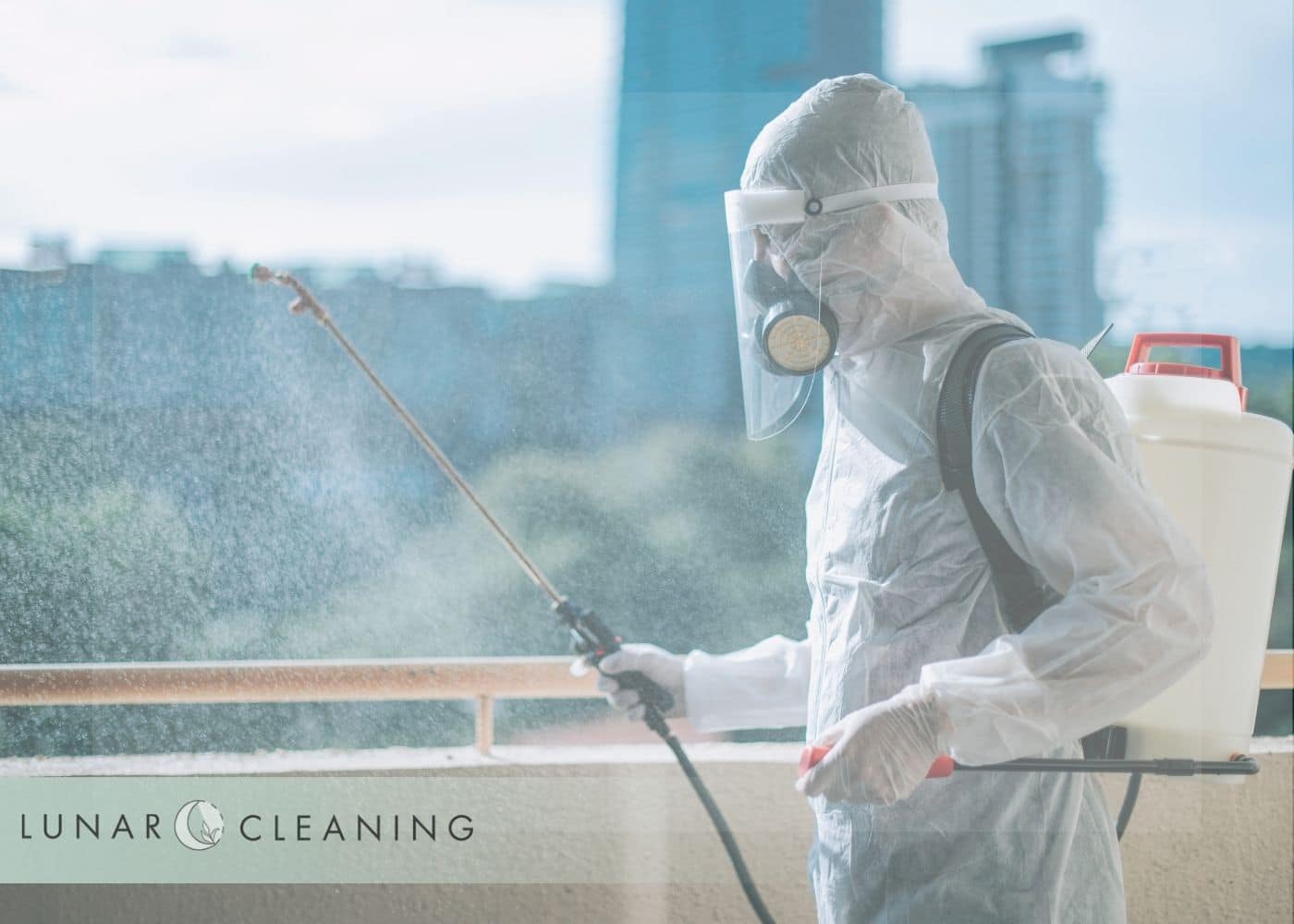
When using disinfection fogging, it is essential to consider health and safety measures to protect both the operator and the environment. Here are key considerations and best practices:
Personal Protective Equipment (PPE)
- Respirators: Operators should wear appropriate masks to avoid inhaling disinfectants.
- Gloves and Goggles: Protective gloves and goggles should be worn to prevent skin and eye contact with chemicals.
Preparation Steps
- Clear the Area: Remove any objects and cover surfaces that should not be fogged, such as electronics or food items.
- Ventilation: Ensure the area is well-ventilated during and after fogging to disperse any residual vapours.
- Read Labels: Always read the disinfectant labels for specific instructions on usage and safety precautions.
Actionable Tips for Safe Use
- Conduct a Risk Assessment: Before fogging, assess the area for potential hazards and plan accordingly.
- Follow Manufacturer Guidelines: Adhere to the manufacturer’s instructions regarding the application and effectiveness of the disinfectant.
- Train Staff: Ensure that all staff involved in the fogging process are properly trained in its use and safety protocols.
Actionable Tips for Implementing Disinfection Fogging
To implement disinfection fogging effectively, consider the following step-by-step strategies:
Choose the Right Equipment:
- Research and select a fogging machine that suits your needs (thermal vs. cold fogging).
- Ensure the machine is compatible with your chosen disinfectant.
Select a Suitable Disinfectant:
- Choose a disinfectant that is effective against the relevant pathogens.
- Check for UK-specific certifications and effectiveness claims.
Prepare the Space:
- Clear the area of furniture and personal items.
- Cover surfaces that should not be treated, such as food preparation areas or sensitive electronics.
Conduct a Pre-Sanitisation Clean:
- Perform manual cleaning to remove visible dirt and debris before fogging.
Follow Proper Fogging Protocol:
- Wear appropriate PPE during the fogging process.
- Start fogging from the furthest corner of the room and work towards the exit.
- Maintain a consistent speed and distance to ensure even coverage.
Post-Fogging Safety Measures:
- Allow the area to air out for the recommended time before re-entering.
- Ensure surfaces are dry and safe for use before returning to normal activities.
Document the Process:
- Keep records of when fogging was conducted, what disinfectants were used, and any observations during the process.
Conclusion
Disinfection fogging is a powerful sanitisation technique that offers numerous benefits for UK homeowners, business owners, and facility managers. Its efficiency, thorough coverage, and rapid application make it a valuable addition to any sanitisation strategy. By understanding the process, applications, and safety considerations associated with disinfection fogging, individuals and organisations can enhance their infection control practices and contribute to a healthier environment. As we prioritise health and safety, consider integrating disinfection fogging into your cleaning protocols to maintain a safe space for everyone.