



Introduction to Commercial Deep Cleaning
What Is Deep Cleaning in Commercial Environments?
Deep cleaning in commercial spaces refers to a comprehensive process that targets all areas, not just visible surfaces or the obvious spots where dirt collects. Unlike regular cleaning routines that deal mainly with daily messes and surface dust, deep cleaning involves a methodical approach that reaches into hidden areas and removes accumulated grime and germs. This includes cleaning under and behind equipment, inside vents, and on fixtures that are often overlooked during standard cleaning.
Why Deep Cleaning Matters for Businesses
Maintaining a consistently clean workplace gives a professional impression, supports good health among staff and visitors, and helps businesses meet essential hygiene standards. Deep cleaning offers benefits far beyond what regular cleaning achieves. It is critical for preventing the spread of diseases, improving the lifespan of assets, and ensuring a pleasant, safe environment. A well-maintained premises signals a commitment to quality and care, which can shape customer perceptions and safeguard a business’s reputation.
The Size and Scope of the UK Commercial Cleaning Industry
The UK commercial cleaning industry is a substantial and growing part of the economy, with an annual worth that has reached almost £66.9 billion. There are more than 75,000 cleaning businesses operating nationwide, meeting demand across offices, healthcare, retail, and industrial sectors. Growing trends include eco-friendly solutions, technological advancements, and increasing demand for skilled deep cleaning to keep businesses compliant and competitive.
What Constitutes a Commercial Deep Clean?
Total Reach and Intensiveness
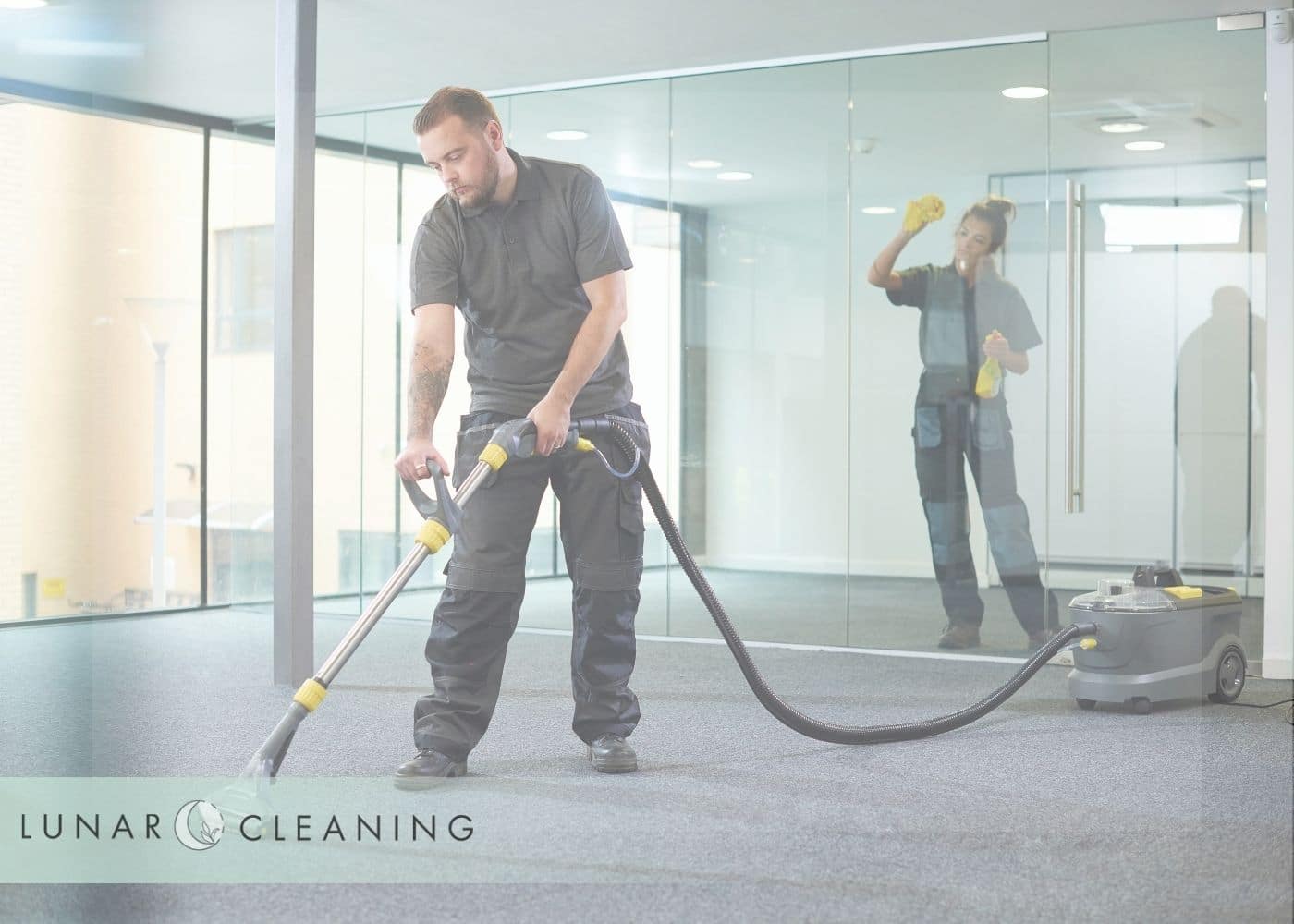
A commercial deep clean addresses all areas within a business premises, focusing especially on hard-to-reach places and surfaces that are not part of daily routines. This includes spaces like HVAC vent covers, ledges, light fittings, ceilings, and behind large equipment or furniture. Windows, blinds, and other high surfaces also feature on the checklist, as do soft furnishings such as upholstery and carpets. The goal is comprehensive removal of dirt, dust, and microbial build-up, which supports both aesthetic standards and workplace hygiene.
The Two-Stage Process
Deep cleaning in commercial environments follows two clear stages. First, a detailed clean removes physical debris, accumulated grime, and visible dirt from all targeted areas. The second stage involves thorough disinfection, using professional-grade chemicals to eliminate bacteria, viruses, and other pathogens lingering after the initial cleaning. This two-pronged approach ensures spaces are not only visibly clean but also hygienically safe.
Key Areas Addressed
A meticulous deep clean goes beyond floors and desks. Attention is given to ceiling fans, vent covers, high shelves, windows (both frames and panes), doors and their frames, hard floors, and any communal areas that attract more germs. Areas behind kitchen appliances or large equipment, often missed in regular cleaning, are specifically targeted to decrease the risk of contamination and pest issues.
This methodical process ensures even overlooked spaces are restored to optimal hygiene standards, setting a solid foundation for managing cleaning routines in any business environment.
Differences Between Regular and Deep Cleaning
Frequency and Scheduling
Regular cleaning in business environments usually means tasks like daily vacuuming, emptying bins, dusting, and basic surface wiping. Most organisations perform these activities on a daily or weekly basis to uphold a clean appearance. In contrast, deep cleaning is far less frequent, commonly carried out bi-annually or annually. This is a much more rigorous process designed to tackle built-up grime and contaminants that accumulate over months rather than days.
Scope and Detail
The scope of deep cleaning extends to areas that standard routines miss. Deep cleaning addresses hidden or difficult-to-access spaces, such as ceilings, behind equipment, HVAC vents, and beneath large furniture. It also involves detailed tasks like scrubbing grout, sanitising walls, and thoroughly shampooing carpets. Regular cleaning, by comparison, remains surface-level and does not penetrate the overlooked corners or fixtures.
Equipment and Techniques
Deep cleaning requires advanced equipment and trained staff. Processes frequently use steam cleaners, industrial vacuum machines, and specialist chemicals to remove deep-seated dirt and sanitise surfaces to a professional standard. Regular cleaning usually relies on basic cleaning agents and general tools suitable for everyday messes. The expertise needed for deep cleaning is significantly higher, ensuring thoroughness and compliance with health standards.
This thorough distinction highlights why planning the right cleaning solutions and understanding legal standards are crucial for UK business owners.
UK Regulatory Framework and Standards
Health and Safety Obligations
All UK businesses must follow the Health and Safety at Work Act 1974, which makes employers responsible for keeping the workplace clean and safe. This law applies to any commercial cleaning activities. It also means managers must train staff to handle cleaning chemicals in line with the Control of Substances Hazardous to Health (COSHH) regulations. COSHH advises using safe techniques to reduce contact with cleaning products and minimise spills. Cleaning materials must be stored safely to prevent harm to employees and the environment. These strict rules not only protect staff but also reduce risks to anyone on business premises, including visitors and customers.
Industry Standards and Training
Industry bodies, such as the British Institute of Cleaning Science (BICSc), set training standards for cleaning staff. BICSc qualifications raise professional skills and ensure that workers know best practices for infection prevention, safety, and cleaning efficiency. Regular assessment and training also let cleaning companies show their commitment to high standards.
Environmental and Waste Management Regulations
Businesses must deal with commercial waste in a way that protects the environment. The law requires proper waste storage, handling, and disposal, especially for hazardous materials. Any organisation generating business waste must register as a waste carrier if disposing of it themselves and must not export waste for landfill. Failing to follow these laws can result in fines and other penalties.
Meeting these requirements protects people and supports a business’s reputation for responsible operations.
Industry-Specific Deep Cleaning Requirements
Commercial Kitchens
Commercial kitchens in the UK are subject to strict hygiene laws. Deep cleaning is a legal requirement every six months to prevent food contamination and pest infestations. High-volume outlets may need to clean more often to maintain these standards. The process covers canopy hoods, extraction systems, vents, and behind appliances. Local Environmental Health Officers enforce compliance under the Food Safety Act 1990, and regular risk assessments are mandatory to identify hygiene risks and maintain food safety protocols. Neglecting these standards can lead to prosecution, fines, or even closure of the business.
Office Environments
Deep cleaning offices goes beyond daily tidying. It includes dusting ceilings, cleaning air vents, sanitising work stations, and disinfecting high-touch surfaces such as door handles and light switches. Carpets and upholstered furniture require specific deep-cleaning methods to remove built-up dirt and allergens. Special attention is given to communal areas, including kitchens, toilets, and meeting rooms, where foot traffic is highest and bacteria can spread easily.
Healthcare Facilities
Hospitals and clinics demand enhanced deep cleaning protocols. Infection control is a top priority. Cleaning involves a structured approach, covering three levels: cleaning, sterilisation, and disinfection. Hand-touch surfaces near patients (like beds, lockers, and medical equipment) are sanitised multiple times per day. Enhanced cleaning has been shown to reduce microbial contamination and the incidence of infections such as MRSA, improving patient outcomes and reducing costs.
Each industry faces unique hygiene challenges that require tailored deep cleaning measures to maintain compliance and safety.
The Six Stages of Effective Deep Cleaning
Pre-cleaning Preparation and Assessment
An effective deep clean always begins with properly preparing the workspace. This means removing loose debris, clutter, and any unnecessary obstacles from the area to be cleaned. A thorough assessment of the premises takes place to identify high-touch points, neglected surfaces, and any equipment needing particular attention. At this stage, assessors also select the most suitable cleaning agents and equipment, ensuring compliance with Control of Substances Hazardous to Health (COSHH) regulations and personal protective measures. This groundwork allows for a methodical and safe cleaning routine.
Main Cleaning, Rinsing, and Disinfection
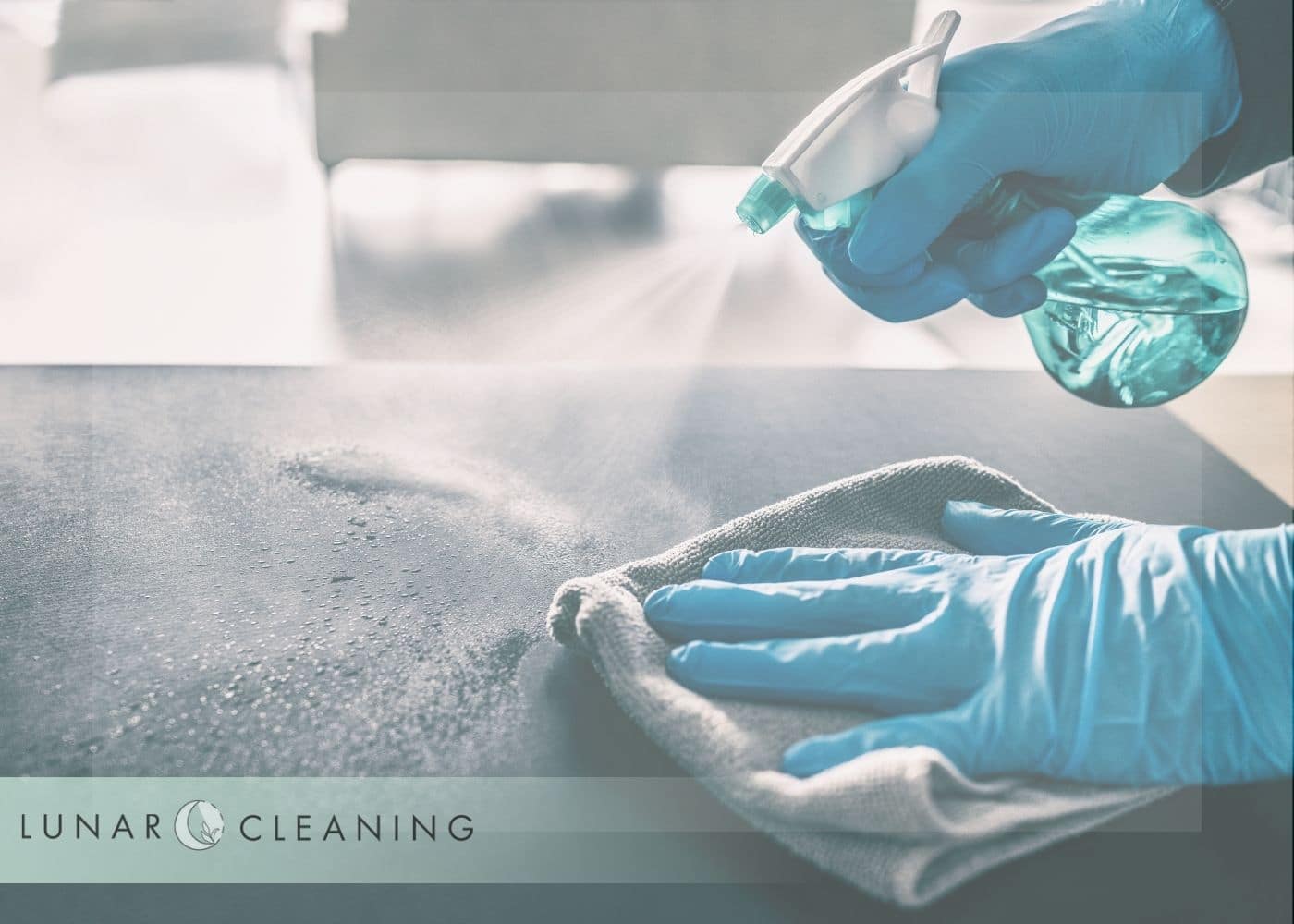
Once pre-cleaning is complete, the main cleaning process begins. Here, hot water and specialist detergents are used to remove dirt, grease, and stubborn grime. Surfaces are wiped clean and any remaining contaminants are loosened. After this, a rinse with fresh, clean water removes leftover detergent and debris, setting the stage for disinfection. Disinfection is a crucial next step, as it targets and eliminates bacteria and microorganisms, typically through the application of chemical disinfectants for the prescribed contact time.
Final Rinse and Drying Procedures
To finish, a final rinse removes any residual disinfectant that may be left on surfaces. This is particularly important where food is prepared or sensitive equipment is situated. The last step is to dry all cleaned areas, preferably through air drying, as this minimises the risk of recontamination from reusable cloths. The result is a safe, hygienic environment with surfaces ready for use.
Maintaining this structured approach ensures all deep cleaning tasks meet safety, hygiene, and operational standards.
Best Practices for Commercial Deep Cleaning
Creating Detailed Cleaning Plans
A well-structured cleaning plan is the foundation of effective deep cleaning in any commercial environment. Start by setting clear cleaning objectives for each area of the premises. Detail the tasks to be completed, assigning responsibility and expected timelines. Planning ensures every surface, fixture, and hidden corner receives the necessary attention, reducing the risk of overlooked areas and supporting regulatory compliance.
Prioritising Top-to-Bottom Methods
Adopt a systematic, top-to-bottom cleaning approach. Begin with high surfaces like ceilings, light fittings, and vents. Gradually move down walls, work surfaces, and finally to floors. This technique prevents contaminants from falling onto already cleaned areas, increasing efficiency and ensuring consistently hygienic results across all surfaces.
Focusing on High-Touch Surfaces
High-touch points such as door handles, lift buttons, switches, shared equipment, and communal touchscreens should be prioritised. These spots harbour more bacteria and can contribute to the spread of germs if neglected. Including them as a specific item in cleaning checklists is essential for health and safety.
Decluttering Before Deep Cleaning
Maximise cleaning effectiveness by decluttering workspaces before starting. Remove unnecessary items, paperwork, and obstructions. This not only exposes more surface area for cleaning but also allows cleaners to work more safely and efficiently. Maintaining a clutter-free environment can also improve workflow for staff.
Adopting these best practices helps UK businesses unlock better hygiene, safer workplaces, and improved staff morale.
Benefits of Professional Deep Cleaning Services

Health and Safety for Staff and Customers
Engaging professional deep cleaning services in commercial settings directly improves the health and safety of both employees and visitors. A thorough clean targets hidden grime and pathogens, reducing the presence of allergens, bacteria, and viruses throughout the premises. This proactive approach supports lower absenteeism and creates a safer workspace, contributing to a positive atmosphere and improved wellbeing.
Reputation and Customer Confidence
The cleanliness of a business is a silent signal to customers and clients. Premises that are visibly clean instil trust, giving customers reassurance over hygiene standards. This can influence first impressions and long-term customer loyalty, directly affecting the reputation of an organisation. Regular professional deep cleaning shows a commitment to high standards, enhancing public perception and distinguishing businesses within competitive markets.
Reduced Liability and Long-term Savings
Professional deep cleaning also mitigates liability risks. By maintaining clean, hazard-free environments, businesses reduce the likelihood of accidents, illnesses, or claims brought by staff and customers. This preventative measure can complement insurance coverage, potentially lowering premiums or reducing the need for claims. Additionally, regular deep cleaning prolongs the lifespan of fixtures and fittings, leading to cost savings over time by reducing the frequency and cost of repairs or replacements.
When considering creating a deep cleaning schedule for your business, these advantages highlight the importance of a planned, consistent approach.
Selecting a Commercial Deep Cleaning Provider
Certification, Training, and Experience
Choosing a reputable commercial deep cleaning provider begins with verifying their certifications and staff training. Look for companies aligned with the British Institute of Cleaning Science (BICSc), as this membership underscores adherence to rigorous industry standards. Well-trained teams can deliver consistent, safe, and effective cleaning results. Good companies invest in ongoing training, ensuring operatives and managers stay informed about best practices, safe use of chemicals, PPE protocols, and customer service skills. This investment in training not only assures quality outcomes but also protects your business by reducing accident risks and liability.
Cleaning Methodologies and Equipment
Assess how potential providers approach cleaning. Modern providers will describe the techniques they use for different surfaces and environments, as well as the specialist machinery or cleaning agents involved. Reliable companies demonstrate an understanding of how to maximise thoroughness and efficiency, adapting methods based on material type without compromising safety.
References and Case Studies
Before signing a contract, review client testimonials, references, and case studies that show experience with businesses similar to yours. Look for evidence of results achieved in contexts such as offices, healthcare, hospitality, or educational premises, which may have varied cleaning needs. Quality providers are transparent about their track record and performance standards, giving peace of mind and a clearer idea of expected outcomes.
A structured selection process is essential to maintain business standards and compliance.
Cost Considerations for Deep Cleaning Services

Average Pricing and What Influences Cost
The average cost for a deep clean in the UK typically ranges from £95 to £546 or more, depending on several factors. For commercial premises, hourly rates for deep cleaning often fall between £15 and £40 per hour plus VAT, with more specialist or extensive jobs potentially going higher, especially when teams and advanced equipment are involved. Offices tend to start around £20 to £25 per hour.
Key factors affecting cost include:
- Property size: Larger spaces require more labour and materials, increasing overall cost.
- Condition: Heavily soiled or neglected premises need more intensive work, raising costs.
- Complexity: Hard-to-reach areas, specialist surfaces, and industry-specific requirements may demand extra care, time, or equipment.
- Location: Urban premises often see higher rates due to increased demand and higher living costs.
- Frequency: One-off deep cleans are more expensive per session than regular arrangements.
Assessing Value Over Price
When comparing quotes, assess not only the cost but the service quality provided. Low-cost providers might cut corners in training, supervision, or equipment, which can introduce hidden costs, such as rehiring for missed work or addressing subsequent complaints. Investing in reputable, well-trained professionals can offer clearer benefits, including fewer disruptions and better long-term hygiene standards.
Understanding true value supports more informed decisions and helps protect your premises and reputation.
This foundation enables businesses to plan cleaning schedules effectively and align them with operational needs.
Creating a Deep Cleaning Schedule for Your Business
Establishing a Suitable Frequency
Determining how often to carry out deep cleaning depends on your business type and the amount of foot traffic your premises receive. Hospitality, healthcare, and food production environments generally require deep cleans at least every six months, while offices or retail spaces with moderate activity can often schedule them annually. High-traffic or critical areas, such as communal kitchens or restrooms, may need more frequent attention, particularly where there is risk of contamination or spills.
Considering Seasonal Needs
Timing your deep cleans to coincide with quieter business periods or before seasonal spikes in activity increases efficiency and minimises disruption. Many businesses choose periods like Christmas or Easter shutdowns to tackle deep cleaning tasks. Factories and warehouses may also benefit from seasonal cleans before restarting production after extended breaks to ensure hygiene standards are maintained and machinery is free from residue and dust.
Integrating with Regular Maintenance
A robust cleaning schedule combines daily, weekly, and monthly tasks with scheduled deep cleans. Routine cleaning keeps spaces tidy, but integrating planned deep cleans prevents the build-up of unseen grime and protects the longevity of facilities and equipment. Using a calendar or cleaning schedule helps ensure that deep cleans are not overlooked and can be efficiently coordinated with other maintenance activities.
A structured schedule protects business reputation and ensures health and safety standards are consistently met.
Conclusion: Maintaining High Cleaning Standards
Key Benefits for UK Businesses
Establishing high cleaning standards in commercial settings delivers ongoing advantages. Regular and thorough deep cleaning helps prevent the build-up of germs, dust, and dirt, directly reducing the risk of illness among employees and visitors. This proactive approach supports productivity, minimises absences, and avoids the high costs associated with poor hygiene, such as potential fines or reputational harm to the business.
Enhanced cleanliness also reassures clients and staff. A visibly hygienic environment creates a positive impression, fosters customer confidence, and reinforces the business’s commitment to health and safety. Meeting official health, safety, and environmental hygiene requirements demonstrates responsibility and helps businesses avoid compliance issues.
Long-Term Approach to Hygiene
To maintain high standards, deep cleaning must form part of a consistent, well-planned maintenance programme. Aligning cleaning schedules with industry guidelines and seasonal needs ensures hygiene remains high year-round. Using quality cleaning products and trained staff helps deliver safe, effective, and efficient results.
Recommendations for Business Owners
Business owners should prioritise structured deep cleaning as an investment in their reputation and staff wellbeing. Evaluating and selecting experienced service providers based on robust training, high-quality methods, and certification is vital. Monitoring results and acting on feedback further strengthens hygiene practices and keeps standards consistently high.