



Introduction: The True Price of Cutting Corners on Commercial Cleaning
The Hidden Financial Impact
It is tempting for UK businesses to see cleaning simply as a surface matter, removing visible dirt, dust, and grime. Yet, the true cost of neglecting regular commercial cleaning runs much deeper. What appears to be a budget-saving decision can create far-reaching and often hidden financial consequences. Unlike a home, where untidiness may be more about comfort or personal preference, businesses face measurable financial risks and obligations when cleaning is overlooked.
The commercial cleaning sector is a major economic contributor, adding nearly £60 billion to the UK economy in 2021 alone, and continuing to grow. This reveals widespread commercial demand. However, failing to meet adequate cleaning standards can expose businesses to financial liabilities that vastly outweigh perceived savings.
Key Differences for UK Businesses
Neglected cleaning in commercial settings brings a series of challenges that differ from residential spaces. Commercial properties have much higher footfall, putting more stress on surfaces, fixtures, and communal areas. Staff and customer welfare are also directly affected, and businesses face an added level of accountability due to regulations and the public nature of their clientele.
Decisions around cleaning are shaped by the need for professionalism, public perception, safety standards, and the sheer cost of maintaining larger or more complex spaces. For many UK workplaces, the financial risk is not just about dirt, but about the impact on people, property, and long-term business reputation.
The Overlooked Cost Areas
There are five broad cost areas that businesses often underestimate when cutting corners on cleaning. These touch on health and productivity losses, property and asset deterioration, regulatory fines, reputational harm, and the spiralling costs of emergency interventions. Each of these areas (largely hidden at first) can become a significant drain on company resources if not proactively managed.
Understanding and addressing these broader financial risks is essential for protecting both workplace standards and the bottom line.
1. Employee Health and Productivity Losses

Hidden Links Between Cleaning Standards and Ill Health
Workplace cleanliness plays a vital role in maintaining staff health and productivity. In the UK, poor cleaning can directly contribute to illness, as highlighted by recent figures: in 2023/24, around 1.7 million workers suffered from ill health believed to be caused or worsened by their jobs – a figure that has remained stubbornly high year on year. Bacteria thrive in neglected environments. The typical office worker’s hands can come in contact with up to 10 million bacteria per day, with desks often harbouring 400 times more germs than a toilet seat.
Financial Toll of Sick Days and Presenteeism
This hidden germ load has serious costs. According to recent analyses, poor hygiene and related staff sickness led to 38.8 million lost working days in just one year, costing the UK economy £16.2 billion pre-pandemic and soaring since. The situation has worsened, with the annual cost of employee sickness now close to £100bn. A key finding: the majority of this cost rise comes not only from absences, but also from reduced productivity, as unwell staff struggle through their workdays at diminished capacity.
Impact on Staff Morale and Retention
Beyond direct illness, cleanliness deeply influences morale. Studies show that cluttered, grimy workspaces heighten stress and deter focus, eroding job satisfaction and pride in the workplace. Employees are likely to view poor hygiene as a lack of employer care, increasing turnover risk. Even simple acts like neglecting shared kitchens and washrooms can reduce well-being and foster disengagement.
Addressing cleaning is foundational for business stability and workforce well-being, an issue that underpins broader asset protection and regulatory compliance.
2. Premature Building and Asset Deterioration
Neglect and Accelerated Wear
Regular cleaning is more than just an aesthetic concern. In commercial environments, skipping cleaning schedules speeds up the deterioration of fixtures, flooring, and furnishings. Dirt, grime, and debris build up on hard surfaces, carpets, and within equipment, eroding finishes, blocking air filters, and causing stains that become permanent over time. Without regular care, flooring may become permanently marked, carpets wear thin, and delicate technologies gather dust that interferes with operation. Unlike in residential settings, businesses often house more valuable assets and are subject to greater foot traffic, increasing the risk of accelerated wear.
The Hidden Costs That Lurk
What many businesses overlook is that neglecting cleaning does not save money. In fact, the hidden costs quickly outweigh perceived savings. Skipping regular maintenance leads to unexpected breakdowns, emergency repairs, and even total asset failure. For example, when regular HVAC cleaning is ignored, filters clog, leading to system inefficiency and breakdown. In the UK, failure to clean commercial drains alone adds up to £1.3 billion in annual repair bills, while a single replacement of a large HVAC system can reach £500,000, a cost far higher than ongoing preventative cleaning would have been.
Cleaning as an Investment, Not an Expense
There is a clear financial logic to preventative cleaning. Scheduled services cost less than remedial maintenance or full asset replacement. Preventative maintenance extends the lifespan of valuable items, reduces repair frequency, and allows businesses to plan repair budgets more predictably. The difference is stark: a modest monthly outlay on facility cleaning can prevent unexpected, major expenses and operational disruption.
As business environments face higher expectations and tighter margins, strategic cleaning investment helps safeguard assets and support sustainability goals without unexpected costs undermining progress.
3. Regulatory Non-Compliance and Legal Penalties
Legal Standards for Workplace Cleanliness
All UK businesses must maintain proper cleaning and hygiene standards, not only to protect employees and customers but also to meet legal obligations. Regulations are not optional. The Health and Safety at Work Act and various UK statutes require workplaces to be kept clean, safe, and free from hazards that could cause harm.
Failure to adhere to these requirements can lead to serious consequences. Regular cleaning is considered a fundamental part of compliance, as skipping it puts businesses at risk of breaching legal duties.
The Financial Consequences of Non-Compliance
Penalty risks are more than theoretical. If a business fails to maintain a clean environment, it can be fined or even face legal challenges. Fines vary by the nature of the violation but can quickly escalate into thousands of pounds. Beyond fines, court actions may be taken to enforce corrective measures or remove company records if found to be factually inaccurate or filed without authority, as provided for in company law.
Legal penalties are just one aspect. Businesses may also incur costs from mandatory improvements imposed after an inspection has failed, or from legal fees related to defending against enforcement actions. Orders for the removal of inaccurate material from the register and related court costs can become significant financial burdens.
Real-World Impact on UK Businesses
The risk of penalties is real, and there are examples of companies being sanctioned following inspections that highlighted poor facility upkeep. Even a minor infraction can trigger costly follow-up inspections, interventions, or public disclosure of legal action, compounding the financial and reputational fallout.
Neglecting cleaning does not just threaten building assets; it can place an entire organisation at risk of substantial, avoidable costs and forced interventions. This legal exposure underscores the importance of robust cleaning protocols for every business.
4. Damaged Business Reputation and Lost Customers

First Impressions and Customer Perception
Cleanliness directly shapes customer impressions the moment they enter a premises. A spotless, organised environment signals professionalism and care. Research suggests that customers form opinions about a business within seconds, often based on visual cues like cleanliness and tidiness. This snap judgement can determine whether they stay, purchase, or leave immediately. Dirty or disorderly settings, in contrast, tell customers the business lacks attention to detail or respect for its clients, causing many to walk away without a second thought.
Trust and Brand Image
Customers subconsciously link the state of your premises with the quality and reliability of your services or products. When a business is consistently clean and well-maintained, patrons feel valued and build a sense of trust with that brand. This relationship is more than transactional, it fosters genuine loyalty. Over time, loyal customers become brand advocates, recommending your business to others, which can drive organic growth.
A neglected environment, however, can have the opposite effect. Customers may question your commitment to quality and doubt whether you take your responsibilities seriously. This perception makes it difficult to win back trust once lost.
Financial Impact of Negative Reviews
Negative customer experiences often make their way online, particularly when poor cleanliness is involved. A single bad review mentioning hygiene lapses can have a lasting effect. Potential customers frequently research businesses before visiting, and reports of dirt, clutter or poor facilities discourage them from engaging. In competitive markets, even a few negative reviews can cut into revenue, erode loyalty, and reduce repeat business.
Reputation, once damaged, can take years to restore. Businesses that consistently invest in proper cleaning not only safeguard their brand but also create lasting value for customers and staff alike.
Maintaining a positive brand image demands more than just compliance; it requires a proactive approach to cleanliness as a core part of your customer experience.
5. Increased Emergency Cleaning and Pest Control Costs
The Financial Burden of Sudden Cleaning Call-outs
Relying on emergency cleaning services often results in higher expenses than scheduled, routine maintenance. When cleaning is neglected, minor issues can quickly escalate into major crises requiring swift, specialist interventions. Emergency call-outs command a premium due to their rapid response, out-of-hours work, and the intensity of labour required. These unplanned costs can exceed regular contract rates by a significant margin, placing strain on a business’s finances and disrupting operations.
How Poor Cleaning Leads to Pest Infestations
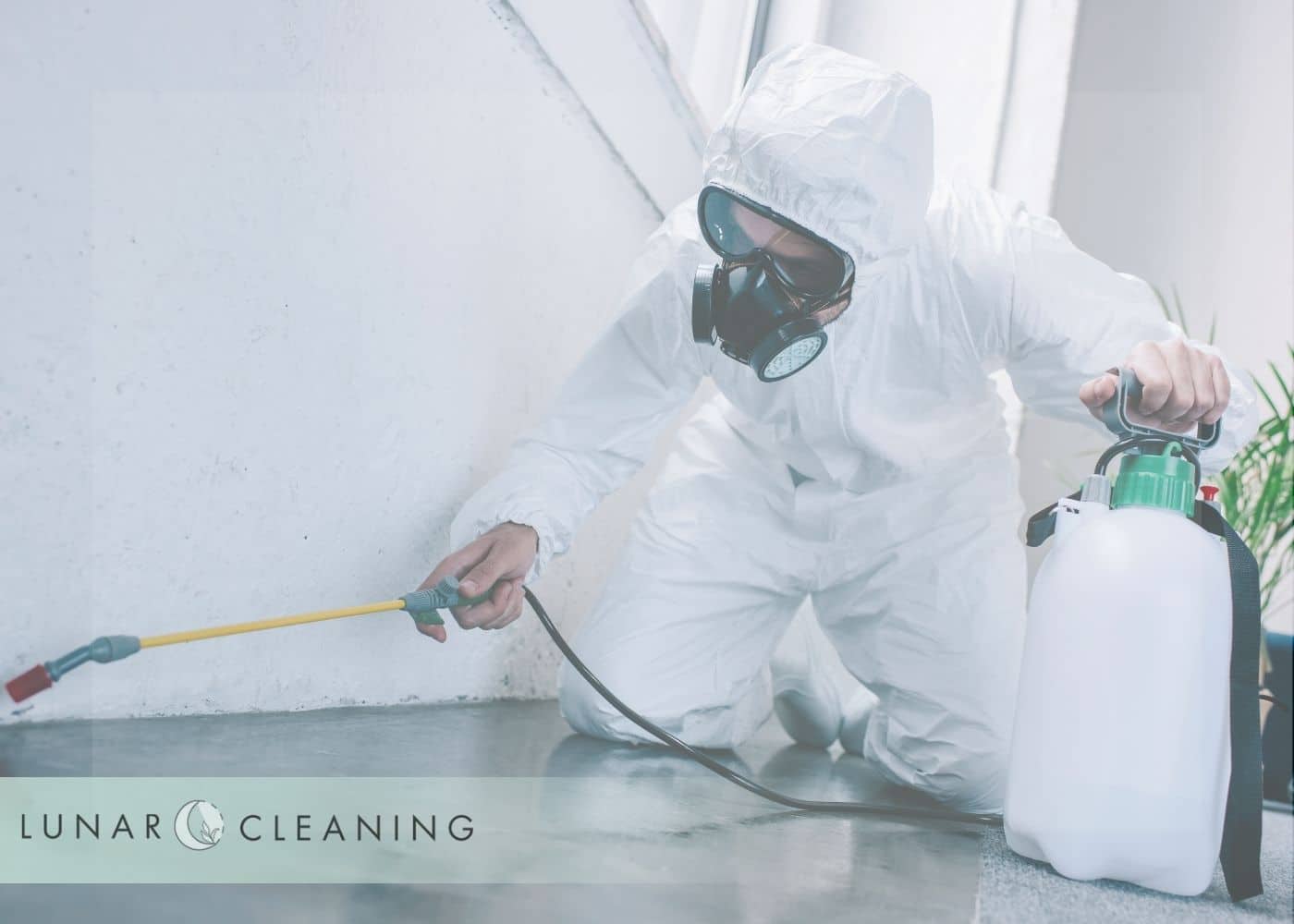
A lack of consistent cleaning creates the ideal conditions for pests to thrive. Food debris, overflowing bins, and damp areas all offer nourishment and shelter to vermin and insects. Once pests establish themselves, elimination becomes a complex task involving not only removal, but also securing entry points and deep-cleaning contaminated areas. The cost of pest control rises sharply when infestations are severe, often requiring multiple treatments and ongoing monitoring.
Escalating Costs from Ignored Issues
When hygiene issues are ignored, problems rarely resolve themselves. Spills, stains, and waste build up unnoticed, becoming breeding grounds for bacteria and pests. Addressing deep-seated problems, especially those that have compounded over months, is far more costly than regular maintenance would have been. For businesses, this might mean closing work areas temporarily for decontamination, leading to lost revenue as well as remediation fees.
Ignoring cleaning also invites repeat issues, making emergency interventions a recurring cost rather than a one-off fix. Such cycles undermine operational efficiency and pose longer-term risks to property, compliance, and brand reputation.
With unexpected costs impacting all parts of a business, careful planning and timely intervention become essential. Effective cleaning routines reduce risk while ensuring business continuity and stakeholder confidence.
Conclusion: The Business Case for Professional Commercial Cleaning
Understanding the Return on Investment
Investing in professional cleaning services is about much more than a spotless appearance. Regular, expert cleaning reduces unexpected financial setbacks. Clean workspaces help minimise employee absences and boost productivity by reducing the presence of allergens and bacteria. Maintaining fixtures, flooring, and upholstery through routine cleaning prevents premature wear, extending the life of valuable business assets and reducing costly replacements. Clean and well-kept environments also reflect professionalism, supporting a company’s reputation and helping to attract and retain customers.
Implementing Cost-Effective Strategies
For most businesses, the goal is to maintain cleanliness while keeping costs manageable. This is achievable with a proactive approach:
- Schedule routine cleaning for high-traffic and high-use areas.
- Act quickly on spills or potential hygiene issues to prevent deeper problems.
- Invest in protective coverings for furniture and floor surfaces.
- Conduct regular inspections to identify early signs of wear or damage and address them promptly.
Consistently following these strategies helps prevent emergency cleaning expenses and supports business continuity.
Selecting the Right Cleaning Partner
Choosing a cleaning provider should never be a rushed decision. Look for a company that offers:
- Clearly-defined service levels and transparent pricing.
- Experience with properties similar to your own, especially in high-demand sectors.
- The right equipment and methods for your business requirements.
- Positive reviews or references from other UK businesses.
Avoiding the lure of the cheapest offer is crucial, as economy services may skip essentials and result in hidden costs down the line.
By prioritising professional commercial cleaning, UK businesses can secure a healthier, safer, and more inviting environment, protecting both their reputation and their bottom line.