


Understanding the Importance of Warehouse Cleanliness
Operational Efficiency and Product Integrity
Cleanliness is essential to efficient warehouse operations. Accumulated dust, debris, and clutter slow down movement and create obstacles for staff and vehicles. This can result in delays, product damage, and increased error rates. Routine cleaning prevents floor stains and spills, preserves clear aisles, and helps keep shelves organised, making it easier to track and move goods. Clean environments also reduce the wear on machinery and equipment, lowering repair costs and minimising downtime. Maintaining hygiene protects product integrity, ensuring items stay in a saleable, uncontaminated state vital for industries such as food, pharmaceuticals, and e-commerce.
Safety, Health, and Regulatory Compliance
A well-cleaned warehouse significantly reduces safety hazards. Spills and debris often cause slips, trips, and falls, while dust accumulation can increase fire risks, especially around electrical panels. Regular, professional cleaning mitigates these threats, helping businesses comply with stringent UK regulations on workplace safety. Airborne dust and mould can affect staff health, leading to respiratory issues and frequent absences. Good air quality and sanitisation practices lead to a healthier, more productive team.
Enhancing Employee Productivity and Morale
A tidy, well-maintained warehouse not only boosts efficiency but also improves employee morale. Workers benefit from an organised environment free of unnecessary hazards and distractions. Clean spaces encourage better focus, lower stress, and contribute to job satisfaction. Employees who see management prioritising cleanliness are more likely to take pride in their workspace, leading to greater care in daily operations and a safer facility overall.
This relationship between cleanliness, safety, and compliance sets the stage for understanding the specific legal framework that governs warehouse environments in the UK.
UK Regulatory Framework for Industrial Cleaning

Overview of Key Regulations
The UK warehouse sector must observe strict standards for cleanliness to support safety and operational efficiency. Central to this is The Workplace (Health, Safety and Welfare) Regulations 1992. These regulations establish the expectation that all work environments, including warehouses, are kept clean and maintained in good order. Regular cleaning is necessary to prevent accumulation of dirt, debris, and obstructions that could present hazards to workers.
Compliance in Warehouse and Distribution Settings
Warehouses pose unique risks due to their layout and high traffic. Compliance involves addressing these specific challenges by ensuring floors, walls, and surfaces remain free from substances that could cause slips or contamination. Operators must implement schedules for cleaning high-use areas such as aisles, loading docks, and storage zones. Clear access to emergency exits and equipment must be maintained at all times to meet legal expectations.
Legal Duties of Warehouse Operators
The legal responsibility for upholding cleanliness lies with warehouse operators. They must create cleaning protocols in line with regulations, provide training for staff, and supervise compliance. Proper records of cleaning activities, identified issues, and corrective actions help demonstrate due diligence if inspected by authorities.
A structured approach to assessing warehouse cleaning needs further supports compliance efforts and ensures that operational requirements are met at all times.
Assessing Your Warehouse Cleaning Needs
Understanding Your Facility Layout and High-Traffic Areas
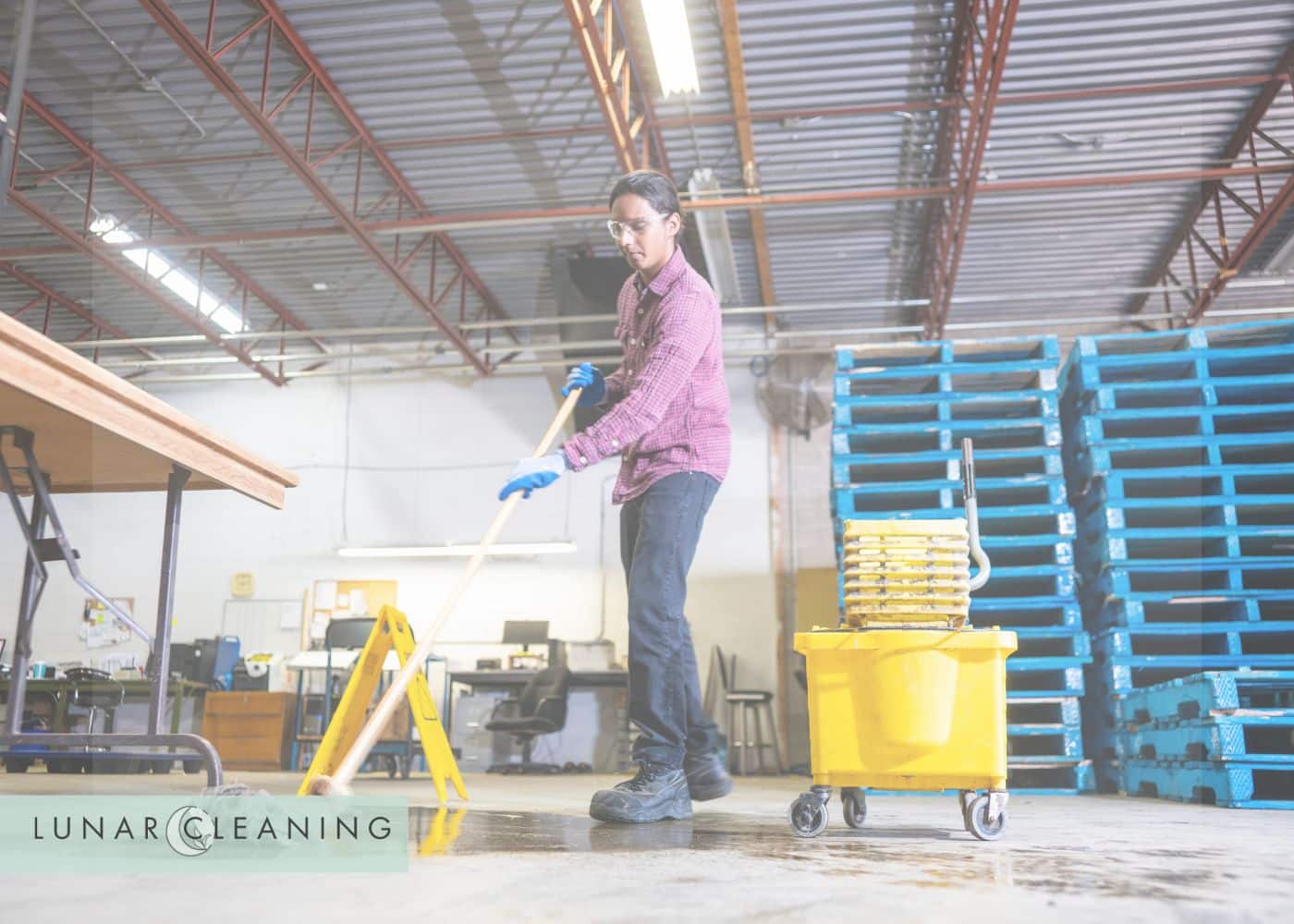
Begin by reviewing your warehouse layout. Highlight key zones such as storage locations, loading docks, aisles, and walkways. Pay special attention to high-traffic areas where goods are received, picked, packed, or shipped. These spaces typically accumulate dust, debris, and spills faster. Also, review how space is used around machinery and access points, as bottlenecks can cause cleaning challenges and safety risks.
A clear layout assessment will reveal which areas need more frequent or specialised cleaning. Consider factors like available floor space, volume of movement, and types of materials handled. If your layout changes due to seasonal demands or storage shifts, update your cleaning priorities accordingly.
Identifying Cleaning Challenges and Inventory Risks
Different warehouse operations present unique cleaning hurdles. Facilities handling food, electronics, or hazardous goods will have stricter requirements for hygiene and contamination control. The nature of products stored, volume of throughput, and exposure to dust or external elements all influence your cleaning needs.
Bottlenecks and poorly designed spaces can increase dirt build-up, create slip hazards, and contribute to damaged inventory. Regular evaluation helps you target these risks before they impact operations.
Setting Appropriate Cleaning Frequencies
Cleaning frequency should match how each area is used. High-use zones, like main aisles and loading docks, may require daily cleaning. Other spaces might only need attention once a week or every few days. Areas exposed to greater foot or equipment traffic or spill risks, such as entrances and packing benches, need a higher cleaning cadence.
Deep cleaning may be reserved for quieter periods or scheduled monthly for general warehouse spaces. Base your final schedule on regular inspections and traffic observations to ensure that standards are met and resources are used efficiently.
This thorough assessment ensures cleaning routines match the realities of your operation, paving the way for a reliable and effective cleaning plan.
Developing a Structured Cleaning Plan

A structured cleaning plan is essential for maintaining a clean, safe, and efficient warehouse. Creating an effective schedule improves accountability and supports regulatory compliance.
Creating a Master Cleaning Schedule
A master cleaning schedule should organise tasks by their required frequency:
- Daily tasks: Sweeping floors, emptying bins, wiping surfaces, and promptly spot-cleaning spills help manage regular dirt and prevent hazards.
- Weekly tasks: Focus on deeper cleaning, such as sanitising storage areas, mopping floors, and decluttering high-traffic zones.
- Monthly or quarterly tasks: Include inspections and deep cleaning of less accessible areas, equipment, and facility infrastructure, like behind racks and high shelves.
Clearly listing each task, location, and cleaning method is vital for consistency.
Assigning Responsibilities and Accountability
Assign cleaning responsibilities based on staff roles. Ensure every employee knows their designated area and task, and encourage them to report issues needing attention. Clearly communicating expectations, providing the necessary resources, and offering regular supervision fosters accountability.
Adapting for Seasonal and Unplanned Needs
Adapt the schedule for seasonal challenges, such as increased dust, humidity, or moisture, which can require extra cleaning. Allow flexibility to respond to unplanned incidents, like spills or sudden debris, by updating tasks and frequency as needed.
By breaking down cleaning tasks, assigning clear responsibility, and building in flexibility, warehouses can maintain consistently high standards and support operational goals.
Essential Cleaning Methods and Techniques
Understanding the Core Principles: Sinner’s Circle
Effective warehouse cleaning relies on understanding the four key factors identified by Herbert Sinner: time, temperature, chemistry, and mechanics. These elements (known as Sinner’s Circle) work together to remove dirt and contaminants. Adjusting one factor, such as using more time or increasing temperature, affects the balance and success of the cleaning process. For example, higher temperatures can help break down stubborn grime, but if time or chemical use is limited, adjustments must be made in other areas to maintain cleaning efficiency.
The Four-Step Cleaning Process
A structured approach ensures thorough cleaning in all warehouse zones. The four-step process includes:
- Debris Removal: Clear the area of all loose dirt, dust, and litter.
- Surface Wiping: Use appropriate cloths or mops to wipe surfaces, removing residual grime.
- Disinfection: Apply effective disinfectants to eliminate germs and bacteria on high-touch areas.
- Sanitisation: Conduct a final sanitising step to ensure surfaces meet hygiene standards.
Each step supports the next, helping to reduce the spread of contaminants.
Tailoring Techniques for Warehouse Zones
Cleaning methods should be matched to specific zones and surfaces in your warehouse. For example, high-traffic zones like loading docks may need frequent debris removal and disinfection, while storage aisles may require more routine dusting and less frequent wet cleaning. Identify suitable cleaning products and tools for different materials, such as hard floors or metal racking, to prevent damage and ensure longevity. Choosing correct materials and frequency for each area maintains both cleanliness and safety standards.
By applying these principles and steps consistently, warehouses can achieve effective cleaning routines that support operational efficiency, safety, and compliance.
Specialised Cleaning for Critical Warehouse Areas
Floor Maintenance Strategies
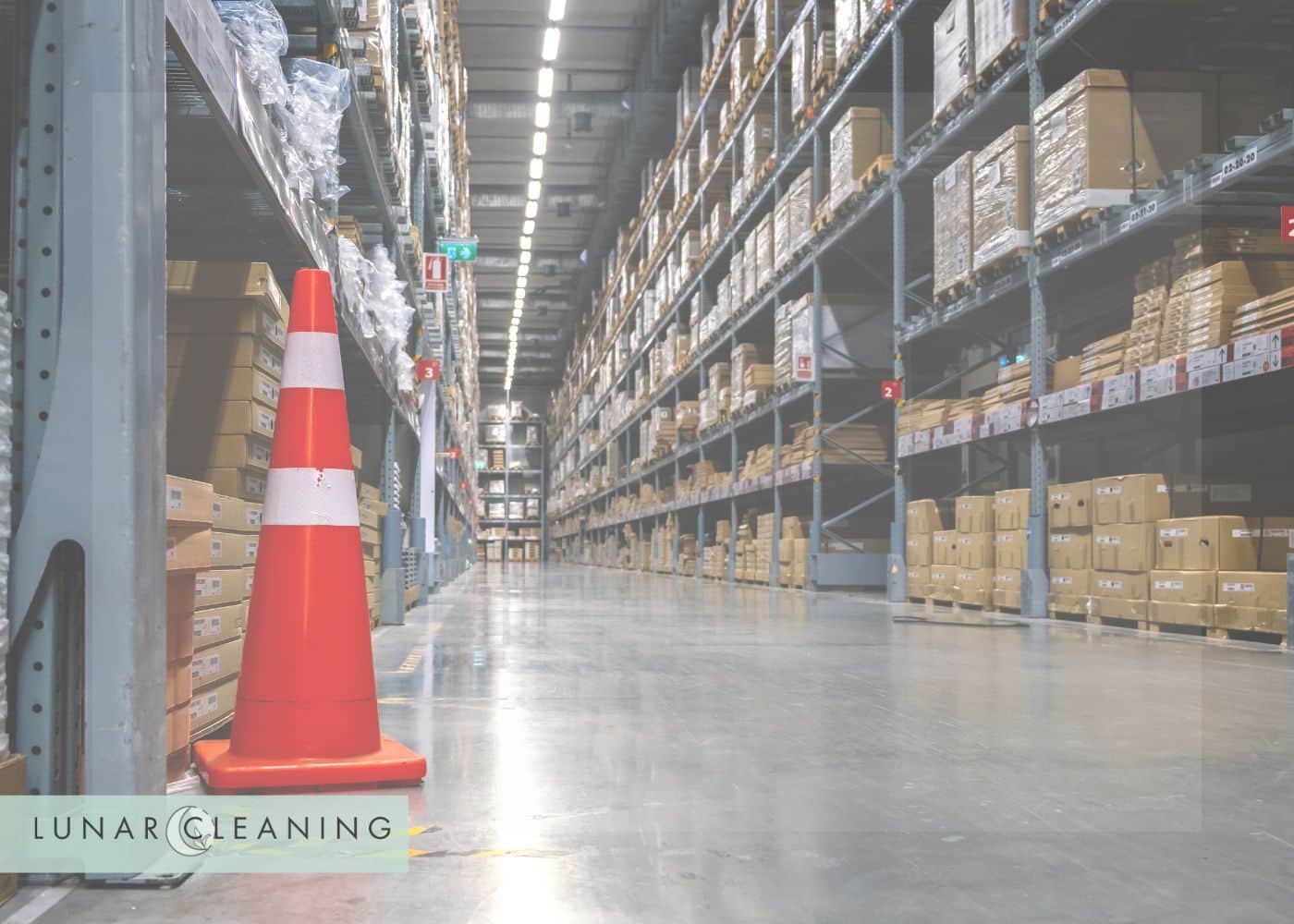
Warehouse floors experience constant foot and vehicle traffic, leading to the rapid build-up of dust, debris, and spills. Routine cleaning is essential, begin every day by sweeping to remove loose dirt and prevent it from spreading. Use industrial scrubber dryers with pH-neutral cleaners on a weekly basis to deep clean the surface and maintain a hygienic work environment. Address spills immediately to prevent staining and slip hazards. For concrete floors, applying a protective sealer annually helps guard against moisture and long-term staining, preserving surface integrity and safety standards. These actions reduce accident risks and maintenance costs, supporting safe warehouse operations.
Wall and Ceiling Cleaning Protocols
Walls and ceilings can collect dust, grime, and even mould, these contaminants may drift down onto work areas, equipment, and stored goods. For high-level surfaces, use telescopic poles with forked dusters and suitable personal protective equipment to ensure safe cleaning without ladders. Brooms, vacuum attachments, and spray bottles offer effective cleaning for surfaces with variable textures. Specialist cleaning teams, often IPAF qualified, can tackle the most inaccessible areas safely and efficiently, minimising disruption to daily operations and supporting regulatory compliance.
Loading Dock and Entrance Area Cleaning
Loading docks and entrances are hotspots for external contaminants. Dirt, oil, and water easily accumulate here, presenting slip hazards and the risk of tracking contaminants further into the warehouse. Keep these zones free of debris with daily sweeping and regular washing. Immediately clean spills using absorbent materials or pressure washing where needed, ensuring thorough removal of hazardous substances. Ensure dock plates, walls, and floors stay clear of buildup to prevent accidents and keep products safe. Regular attention to these entry points upholds safety and sends a strong signal of care and professionalism to visitors and inspectors.
Through diligent cleaning of these critical zones, a warehouse maintains hygiene, safety, and operational continuity, setting the stage for choosing the right equipment and supplies.
Equipment and Supplies Selection
Selecting Industrial Cleaning Equipment
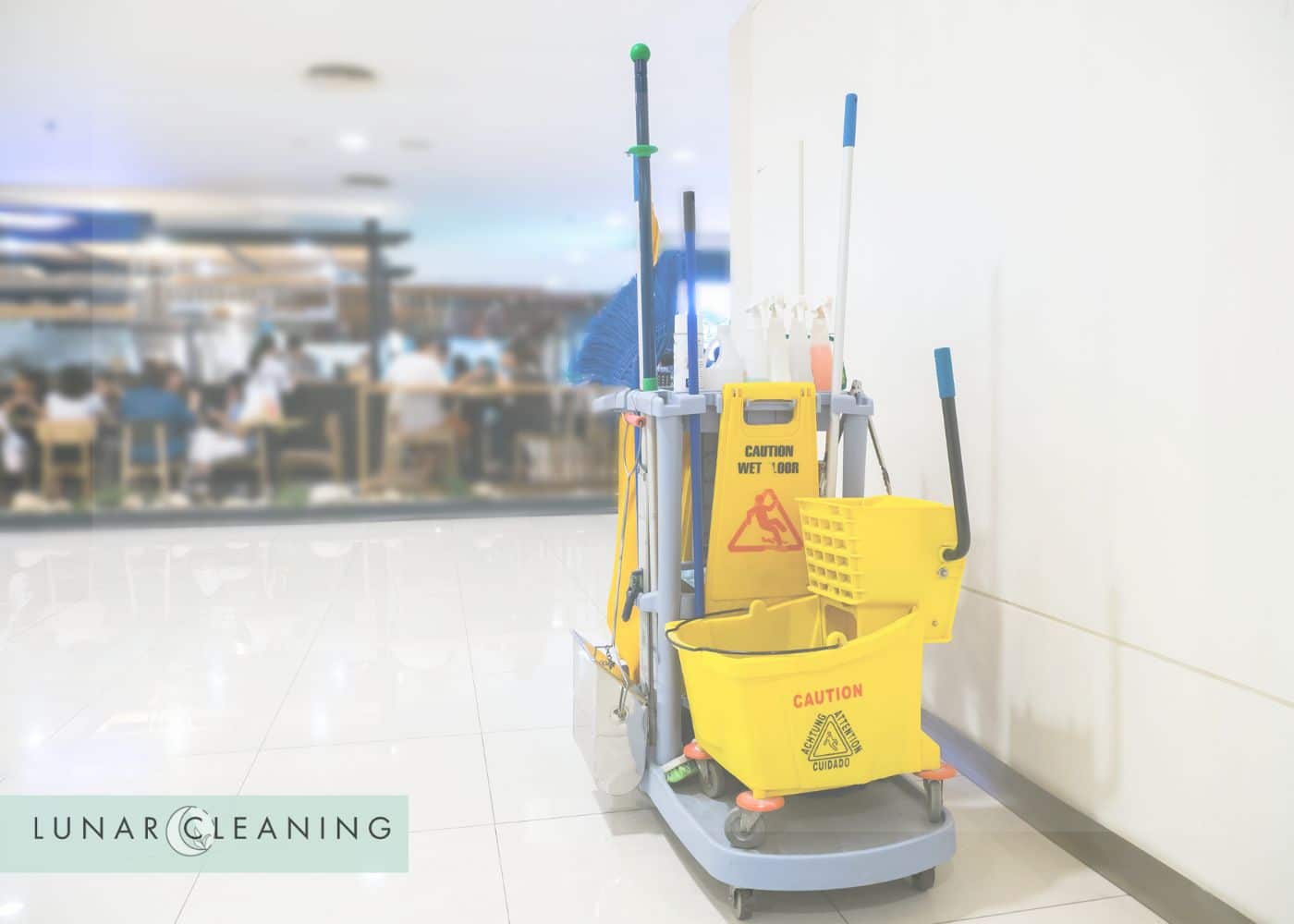
The right equipment is essential for maintaining effective warehouse cleaning. Larger warehouses require robust machines, such as ride-on or walk-behind sweepers. Ride-on sweepers are ideal for extensive spaces and areas with high forklift activity, providing speedy and thorough dust and debris removal. For smaller warehouses, walk-behind models offer manoeuvrability, simplicity, and cost-effectiveness. Absorbent materials should be available in loading docks and busy areas for immediate spill response, reducing slip risks and damage to stock. Consider hiring equipment for temporary or flexible cleaning challenges rather than making large investments upfront.
Evaluating Cleaning Chemicals and Products
Warehouse environments demand proven cleaning chemicals that work efficiently while ensuring employee safety. Select products with clear safety data, reduced environmental impact, and proven ability to remove dirt and germs. It is important to review the effectiveness of chosen chemicals and to ensure they comply with relevant health and safety regulations. Sourcing supplies from reputable providers ensures access to a broad range of professional products.
Preventing Cross-Contamination with Colour-Coded Systems
Using colour-coded cleaning equipment reduces the risk of cross-contamination. Assigning separate colours for floors, surfaces, and sanitary areas avoids mixing tools between zones. This practice aligns with good hand hygiene and enhances cleanliness control.
Proper selection, use, and management of equipment and supplies are foundational for effective warehouse cleaning and set a standard for safe, compliant operations.
Implementing Green Cleaning Practices

Selecting Effective Eco-Friendly Cleaning Products
Reducing the environmental impact of warehouse cleaning starts with thoughtful product selection. Eco-friendly detergents and disinfectants should meet recognised environmental standards but remain effective against dirt, dust, and pathogens commonly found in high-traffic warehouse areas. Look for products that are biodegradable, free from harsh chemicals like chlorine or phosphates, and have minimal volatile organic compounds (VOCs). Using concentrated formulas also helps reduce packaging waste and lowers the carbon footprint associated with transport.
Adopting Sustainable Cleaning Methods
Sustainable cleaning is not just about what you use but also how you clean. Methods that conserve water and energy are essential. Employ equipment with water-saving features, such as mop systems that reuse water efficiently or scrubbers with automatic solution control. Schedule cleaning during off-peak hours to make use of energy-efficient lighting. Limit the use of single-use items and encourage reusable microfibre cloths and mop heads, which perform effectively while reducing waste.
Establishing Effective Waste Management
Proper waste management underpins any green cleaning strategy. Set up clear recycling stations in key warehouse zones, and ensure containers are clearly labelled for different types of waste, such as cardboard, plastics, and metals. Encourage staff to use refillable cleaning bottles to cut down on single-use plastics. All cleaning waste, such as used cloths or empty chemical containers, should be processed according to local disposal guidelines to prevent environmental harm and maintain compliance.
A cohesive approach to green cleaning benefits both the environment and day-to-day operations. This mindset supports a healthier workplace and contributes to broader corporate sustainability goals. Regularly reviewing these practices ensures they remain effective as cleaning needs evolve.
Staff Training and Engagement

Developing Effective Training Programmes
A thorough training programme is essential for warehouse cleaning staff. Begin by covering the basics, such as safe handling of cleaning agents and equipment. Training should be practical, allowing staff hands-on experience with tools and products suited to specific warehouse areas. This training also needs to include procedures for emergent situations, such as chemical spills or debris removal, to ensure swift and safe responses.
Building a Culture of Cleanliness
Cleanliness goes beyond routine tasks; it should be embedded in the facility’s culture. This starts with staff awareness, ensuring everyone understands how cleanliness affects safety, regulatory compliance, and product integrity. Encouraging daily participation, such as quick inspections and reporting hazards, reinforces shared responsibility. Recognition for teams maintaining high standards can help drive ongoing engagement and pride in the workplace.
Ongoing Assessment and Refresher Training
Quality cleaning standards are maintained through continual learning. Regular skill assessments identify gaps and provide opportunities for refresher sessions, ensuring all staff stay updated with best practices. Scheduled refresher courses enable employees to adapt to changes in cleaning techniques, products, and safety rules. This systematic approach keeps standards high and prepares the team for any cleaning challenge.
Consistent training and active staff involvement lay the groundwork for robust quality control in warehouse cleaning operations.
Documentation and Quality Control

Establishing Verification Systems and Inspection Protocols
A robust cleaning system in a warehouse depends on clear verification methods. Implementing a digital or manual checklist for every scheduled cleaning task helps ensure that all areas are addressed properly. These checklists should be reviewed daily and signed off by supervisors. Spot-check inspections, either unannounced or scheduled, help identify gaps in adherence and offer opportunities for immediate correction.
Using digital auditing tools, such as ECAT, allows managers to monitor cleaning standards, communicate with the workforce, and share results transparently with clients. This encourages accountability and gives a complete picture of compliance across all areas of the operation.
Maintaining Detailed Cleaning Records
Comprehensive records are vital for both compliance and continuous improvement. Logs should detail what tasks were completed, by whom, and when. These records also include schedules, standard operating procedures (SOPs), and the results of verification tests and inspections. Maintaining training records ensures that all personnel meet competency requirements.
These records not only demonstrate due diligence to authorities but also highlight trends or recurring issues in cleaning performance.
Conducting Regular Audits
Regular audits, either internal or external, are key to maintaining high standards. These reviews evaluate the effectiveness of current cleaning routines, measure consistency, and pinpoint areas needing attention. Audit feedback informs adjustments to schedules, guides further staff training, and helps refine cleaning methods for better outcomes.
Continuous review of processes ensures ongoing compliance and supports a culture of quality enhancement, directly supporting both safety and operational efficiency.
Outsourcing vs. In-house Cleaning Operations

Weighing the Benefits and Considerations
Outsourcing cleaning tasks in a warehouse can provide significant advantages. Cost savings, access to specialist knowledge, and consistent standards are common reasons operators choose this route. By hiring external providers, businesses ensure staff can focus on their core duties without added cleaning responsibilities, leading to better productivity and efficiency. However, outsourcing is not ideal for every operation. Some warehouses value internal control, faster response times, and direct oversight, which may be harder to maintain with third-party providers.
Selecting the Right Cleaning Contractor
Careful evaluation of cleaning contractors is essential. Start by reviewing their industry reputation, length of experience, and range of services. Ensure the contractor can handle your current and future needs, is responsive to scheduling requirements, and has qualifications or sector certifications. References, testimonials, and previous project examples can offer useful insights into reliability and service quality. Do not overlook insurance, a reputable contractor should prove they carry appropriate liability coverage.
Effective Management of Outsourced Teams
Once engaged, manage outsourced cleaners through clear contracts. Define expectations, deliverables, and performance standards in writing. Regularly monitor the provider’s performance with audits or inspection routines, offering feedback for improvement as necessary. Address any underperformance promptly and keep documented records of all communications and corrective measures.
Employing these strategies supports both operational efficiency and high standards of cleanliness. This approach allows for continuous review and adaptation to keep pace with changing needs.
Technology and Innovation in Warehouse Cleaning
Automated Cleaning Solutions
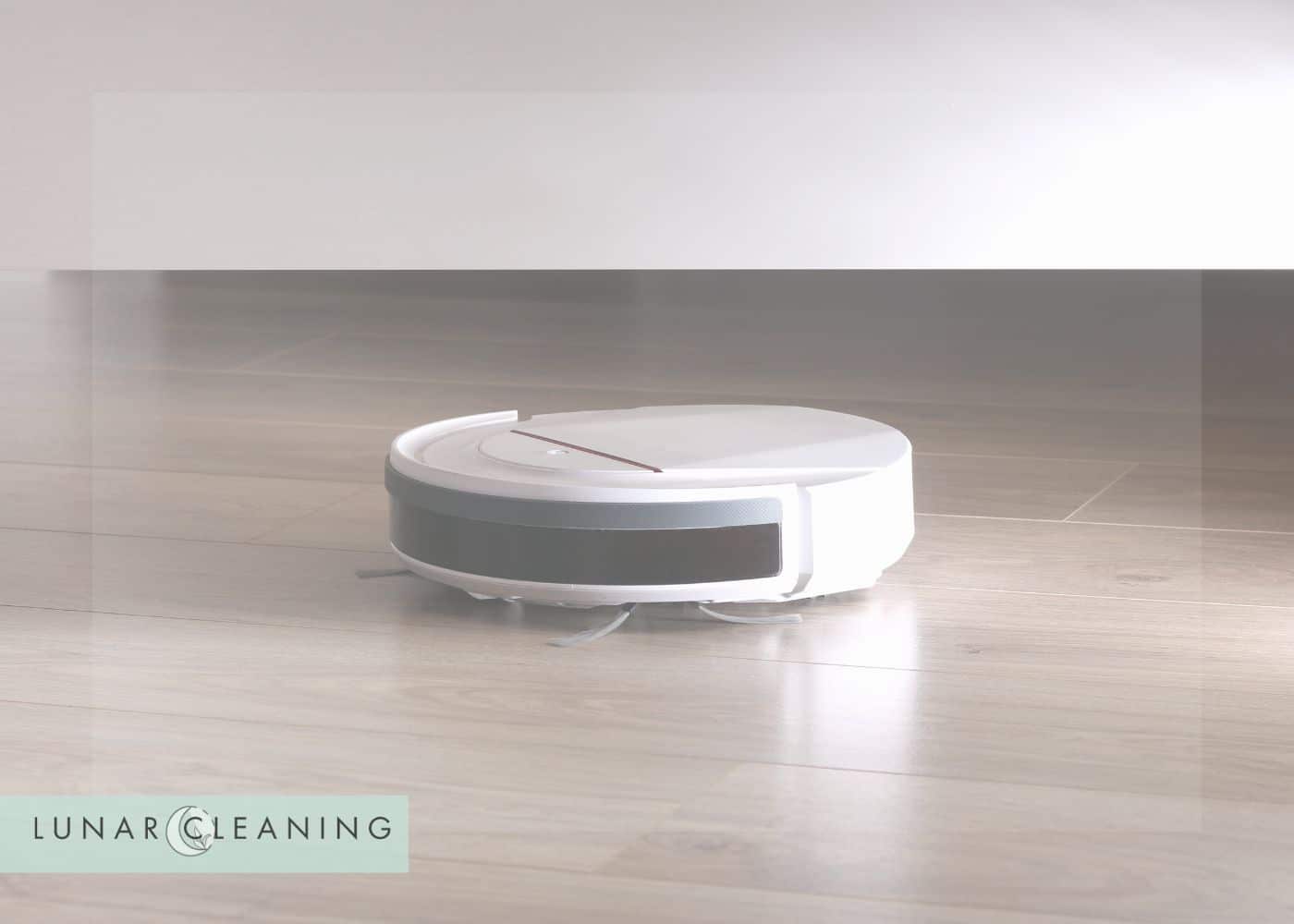
Technological advances are transforming warehouse cleaning, making operations more efficient. Robotics play a significant role by handling repetitive floor-cleaning tasks. Robotic scrubbers and sweepers can operate independently, tracking their cleaning paths and avoiding obstacles. Cleaning robots are now widely recognised as practical rather than an expensive luxury, helping to address labour shortages and improve consistency.
Other emerging technologies include UV-C disinfection systems, which use ultraviolet light to neutralise germs efficiently on large surfaces. Steam cleaners are also used for sanitising as they combine high temperatures and pressure to kill bacteria without chemical residue, making them suitable for sensitive areas.
Digital Management of Cleaning Schedules
Digital management systems give warehouse managers clear oversight of cleaning operations. These solutions replace paper checklists and schedules, enabling real-time coordination of tasks, staff, and supply inventory. With centralised digital systems, cleaning staff can receive instant updates on schedules or protocols, reducing errors and missed tasks. QR codes and real-time apps make it possible for supervisors and clients to verify task completion and communicate with cleaning teams efficiently.
These platforms also manage supply tracking, maintenance reminders, and staff certifications all in one accessible place. This streamlines administrative processes and enhances operational transparency.
Using Data Analytics for Cleaner, Smarter Warehouses
Data analytics is now a powerful tool in optimising warehouse cleaning. By analysing cleaning frequency and task records, managers can identify high-traffic areas needing more attention or spot inefficiencies. Analytics dashboards provide trends and patterns, supporting better allocation of staff and resources.
For example, tracking which cleaning chemicals are used most often can inform purchasing or highlight opportunities for improvement. Performance metrics can be reviewed over time to adjust cleaning strategies for greater effectiveness and cost savings, leading to a measurable improvement in both compliance and efficiency.
Technology not only introduces new equipment but also ensures processes are systematised and evidence-based. This structured approach stands to benefit health, safety, and operational efficiency throughout the warehouse cleaning programme.
Case Studies: Successful Warehouse Cleaning Implementations
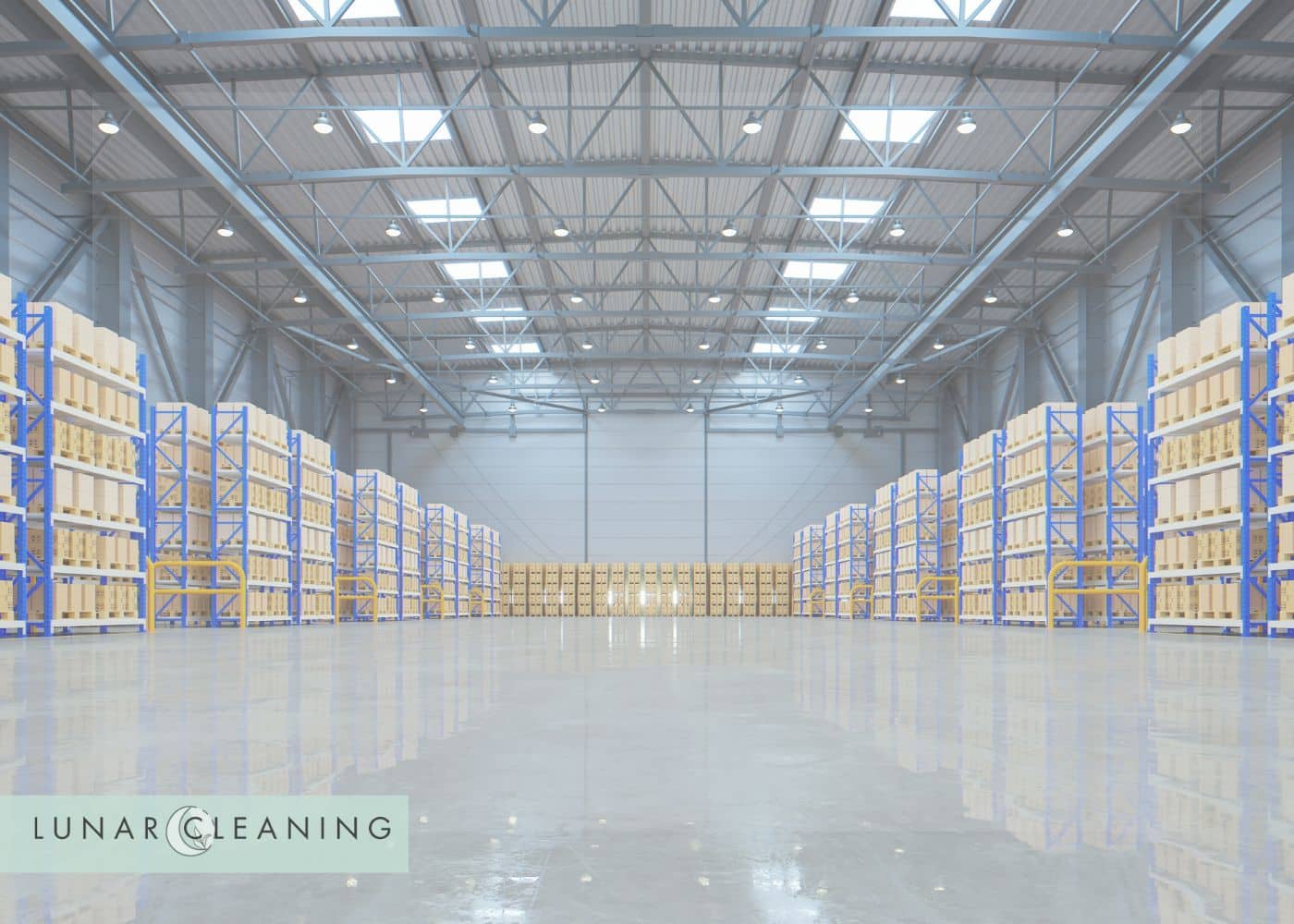
Examples of Effective Cleaning Programmes
Many UK distribution centres have adopted structured cleaning programmes to address operational challenges. For example, a regional facility faced frequent product damage due to dust accumulation and reduced picking efficiency. By introducing scheduled daily cleaning for high-traffic areas, combined with weekly deep cleans of storage racks, the warehouse saw a marked reduction in product loss and improved order accuracy.
Another warehouse applied a zoning method, separating food storage from general goods and using colour-coded cleaning supplies. This supported infection control and compliance, which auditors later acknowledged as a best practice.
Lessons Learned from Cleaning Transformations
Key lessons from these projects include the central role of engaged management and clear leadership. When management promoted a culture of cleanliness, both compliance and staff participation improved. Additionally, clear division of cleaning responsibilities and upskilling staff directly boosted cleaning outcomes.
Measurable Outcomes and Benefits
Implementing robust cleaning systems led to tangible business gains:
- Lower staff absence due to fewer minor illnesses
- Noticeable drop in workplace incidents linked to slips or contaminated surfaces
- Higher customer satisfaction resulting from improved order quality
Adopting systematic cleaning practices not only upheld health and safety standards, it also strengthened operational resilience and product integrity.
Conclusion: Building a Sustainable Cleaning Strategy
Key Elements of Sustained Success
Long-term warehouse cleanliness depends on a few essential components. Having a clear cleaning schedule with defined tasks for daily, weekly, and periodic cleaning makes daily operations more efficient. Regular checks for compliance ensure ongoing safety and reduced risk for employees. Assigning individual responsibilities fosters ownership, and using the right equipment and cleaning products supports high cleaning standards.
The Value of Professional Cleaning
Investing in professional cleaning has several advantages. Professionals understand the requirements of UK regulations and can help warehouses meet legal standards, reducing the chance of fines and reputational damage. Regular cleaning from experienced teams also prevents costly problems, such as fire hazards from dust, equipment breakdowns, and inventory loss caused by pest infestation or contamination. Over time, the savings from preserved assets and a safer environment often outweigh the cost of cleaning services.
Commitment to Continuous Improvement
Maintaining high standards means not standing still. Continuous improvement involves reviewing cleaning schedules, getting staff feedback, and monitoring results. Data-driven methods help identify new challenges, such as changes in stock or processes, so cleaning plans evolve instead of becoming outdated. This approach keeps your facility clean, safe, and efficient over time.
A strategy focused on these elements lays the foundation for reliable warehouse cleaning, supporting your facility’s ongoing success and safeguarding your business reputation.